









How Do Air Purifiers Work?
Ever feel like the air inside your home just doesn't feel fresh - no matter how much you clean? That's where air purifiers come in. But what exactly do they do, and how do they actually clean the air? Let's break it down in simple terms.


First Things First: What's in the Air?
Let's start with what your air purifier is really up against. The list is longer than you'd think:
- Dust and pet hair
- Pollen and mold spores
- Smoke particles
- Volatile organic compounds (VOCs) from paints and cleaners
- Bacteria and some viruses
- Unwanted odors
In short: the stuff you don't want to breathe.
How Do Air Purifiers Work?

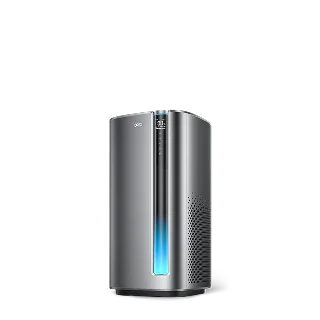
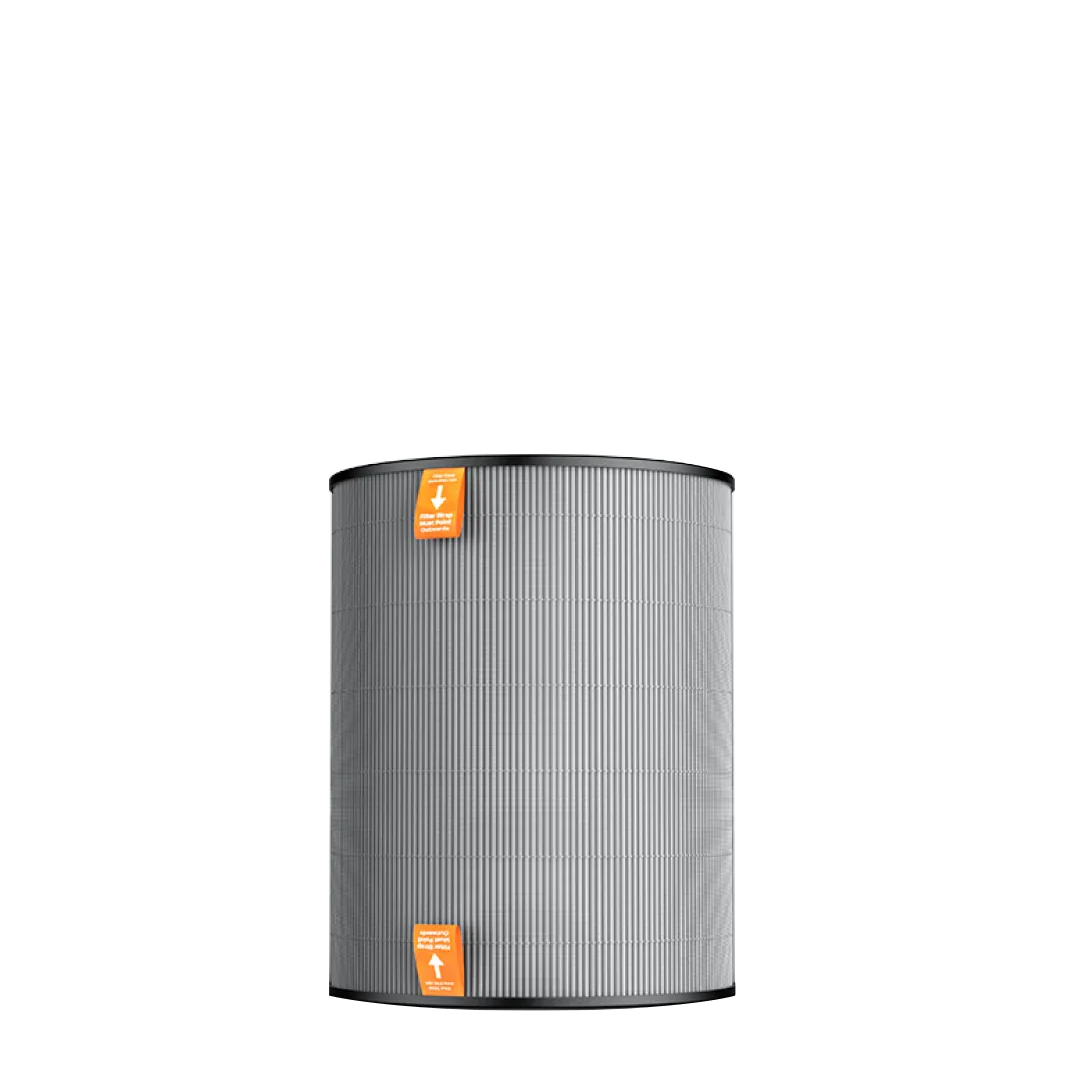
At their core, air purifiers are like vacuum cleaners for the air. They pull in dirty air, trap unwanted particles, and push clean air back out. Most advanced purifiers like the DREO Macro Max S rely on multi-stage filtration, which usually includes:
- Pre-Filter
This catches larger particles like dust, lint, or pet hair, keeping the rest of the system running efficiently.
- H13 HEPA Filter
This is the superstar. True HEPA filters can capture 99.97% of particles as small as 0.3 microns. Think pollen, smoke, and even certain bacteria.
- Activated Carbon Filter
This layer focuses on odors and chemical gases. It traps VOCs, cigarette smoke, kitchen smells, etc.
Some other purifiers go beyond this with smart sensors, UV-C sterilization, or ionizers. But not all extras are created equal - what really matters is effective filtration, proper room coverage, and quiet performance.

How to Choose the Right Air Purifier?
So, if you're picking one for your home, here are a few key features to look for so you can breathe cleaner, healthier air without second-guessing.
- True HEPA filtration:
Start with the filter. The right purifier should catch the tiniest particles - dust, pollen, and smoke. An electrostatic H13 true HEPA filter captures 99.985% of particles as small as 0.3 microns. That's not just technical jargon - it's protection against stuff you can't see but definitely feel.
- Flexible Coverage for Any Room
Room size matters. Whether it's a compact bedroom or an open-concept living room, you need a purifier that can scale. The Macro Max S refreshes the air 4.8 times per hour in 423 sq ft. rooms and once an hour in spaces up to 2,030 sq ft. - making it a versatile fit for all kinds of homes.
- Smart sensors that auto-adjust to air quality
Air quality doesn't stay the same throughout the day - and your purifier shouldn't, either. Built-in smart sensors used in the Macro Max S automatically monitor and quickly adjust to adapt based on real-time air quality. It starts cleaning the air before you even notice it needs it.
- Real-Time Air Quality Feedback
It's one thing for a purifier to work - another to see it working. Look for a model that removes all the guesswork by showing real-time PM2.5 readings and a clear, color-coded display (blue, green, orange, red) so you can tell at a glance how clean your air really is.

A purifier that checks these boxes can actually improve your air - not just blow it around.
Final Takeaway
Clean air changes everything - and the Macro Max S makes it easy. Big or small, there's a DREO air purifier made for your space.


