











How to Choose a Quiet Tower Fan for Better Sleep in the Bedroom?


A more comfortable bedroom can make it easier to wind down at the end of the day. If the air feels still or stuffy, falling asleep may take longer than it should. While a tower fan cannot lower the room temperature like an air conditioner, it can improve airflow and create a steady breeze that helps the room feel better for sleep. In this guide, we'll walk through what to look for in a quiet tower fan.
Start with noise level
A fan can have a sleek design and a long list of settings, but if it hums too loudly or sounds harsh when the airflow picks up, it can feel out of place in a bedroom. At night, even small noises tend to stand out more.
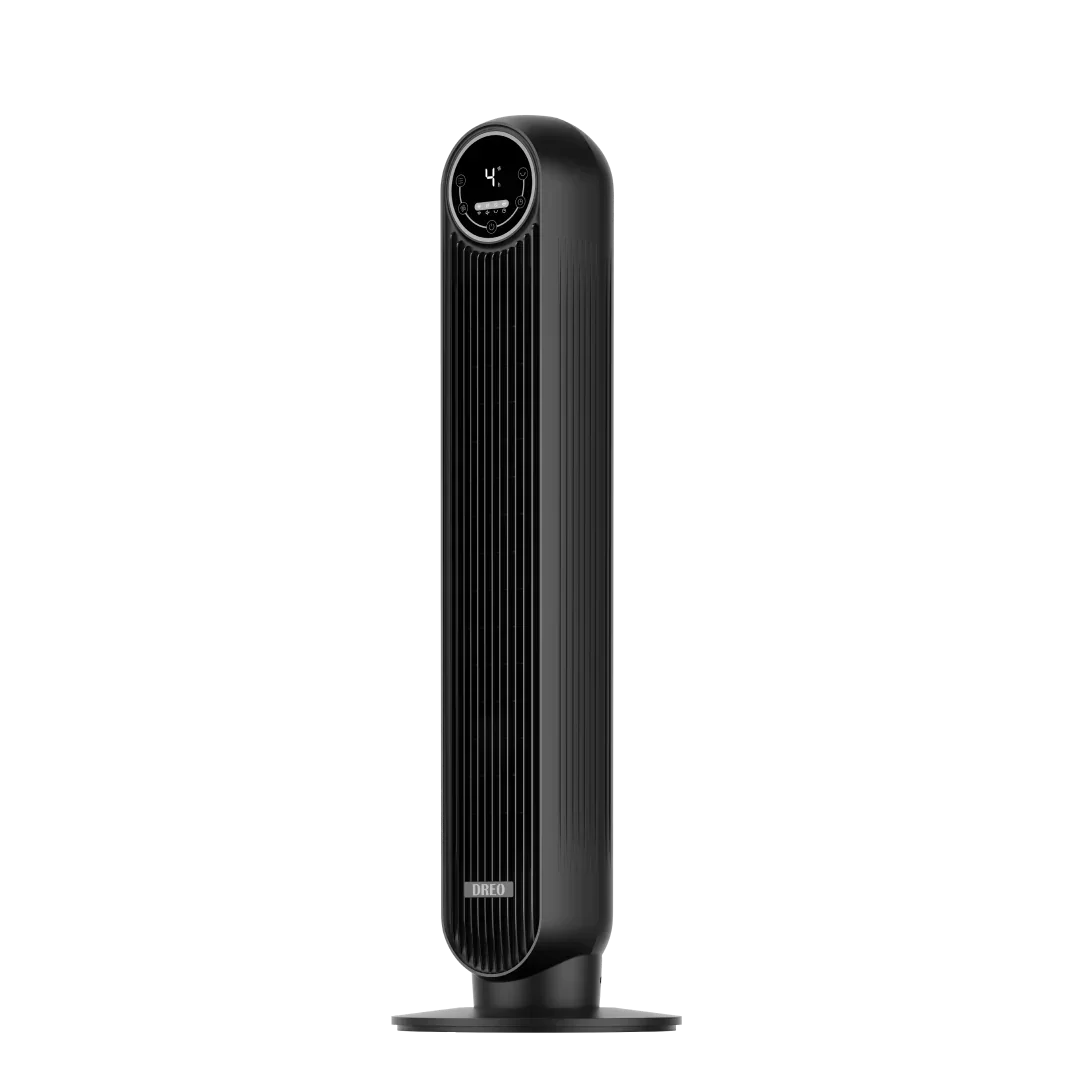
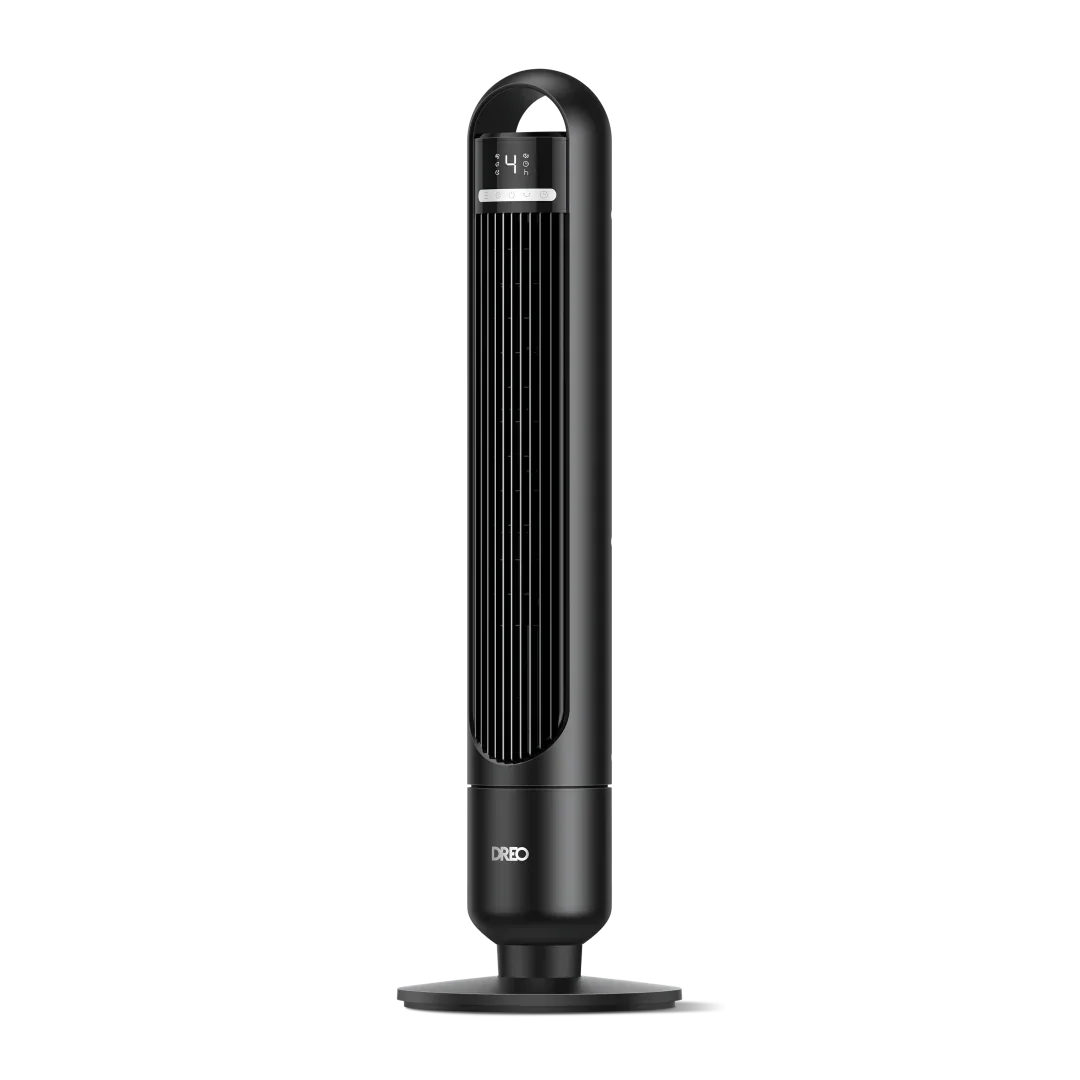
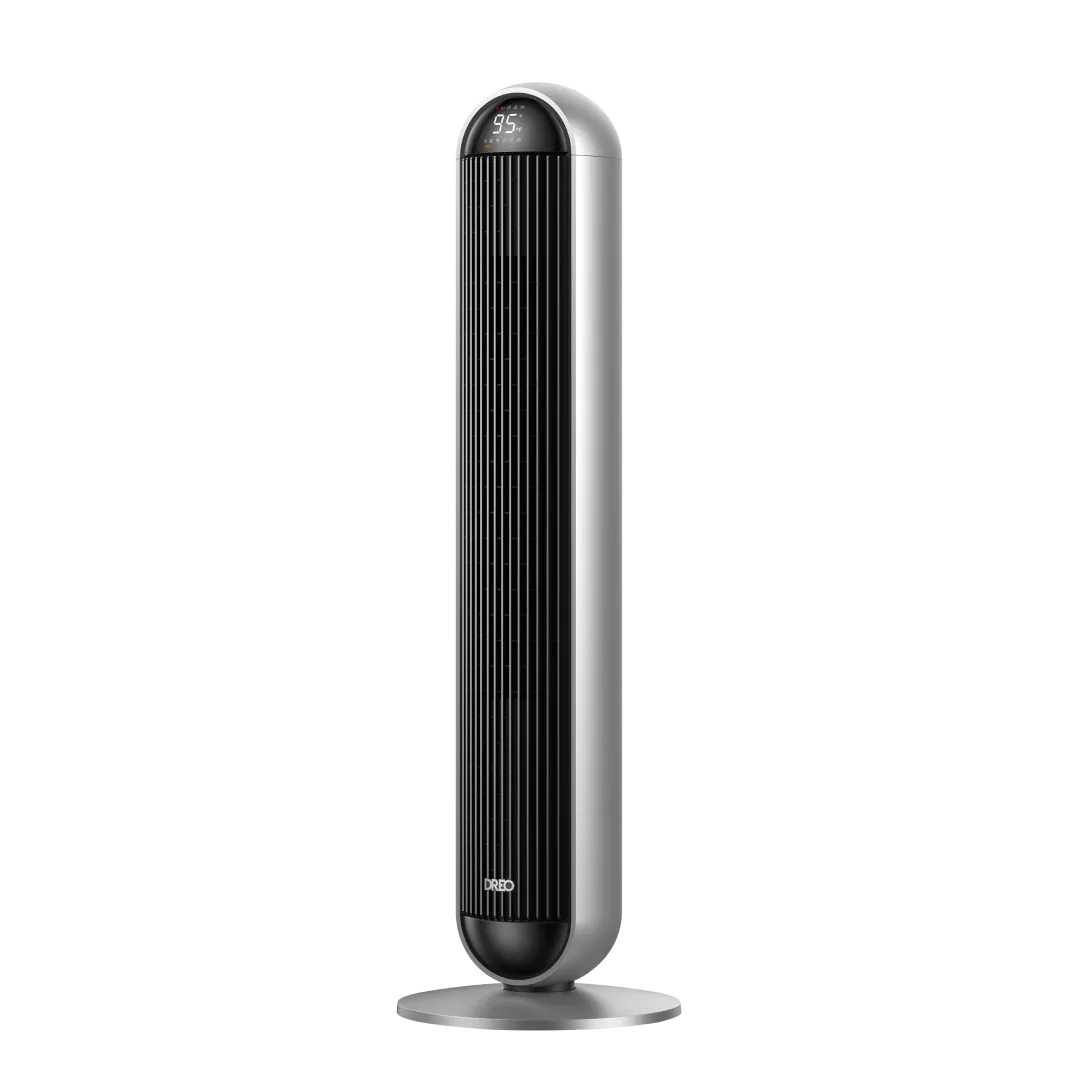
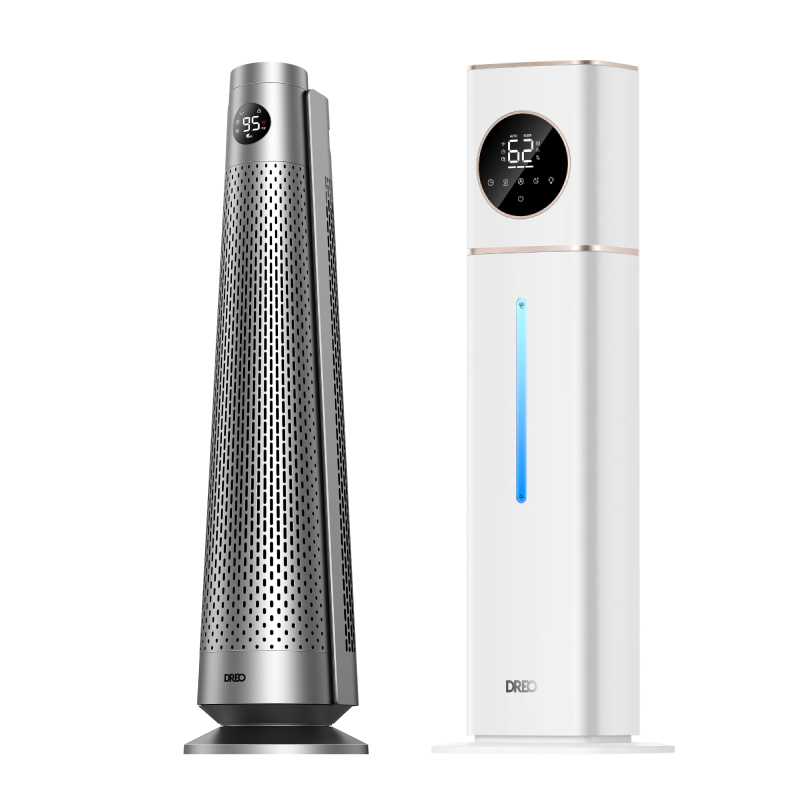
Look for a model that keeps noise low, especially one designed with sleep in mind. The DREO Tower Fan 519 is well suited to that kind of setup.
With a brushless DC motor and TurboSilent technology, it runs at just 20dB¹, helping the room feel calmer at night instead of filled with constant fan hum.

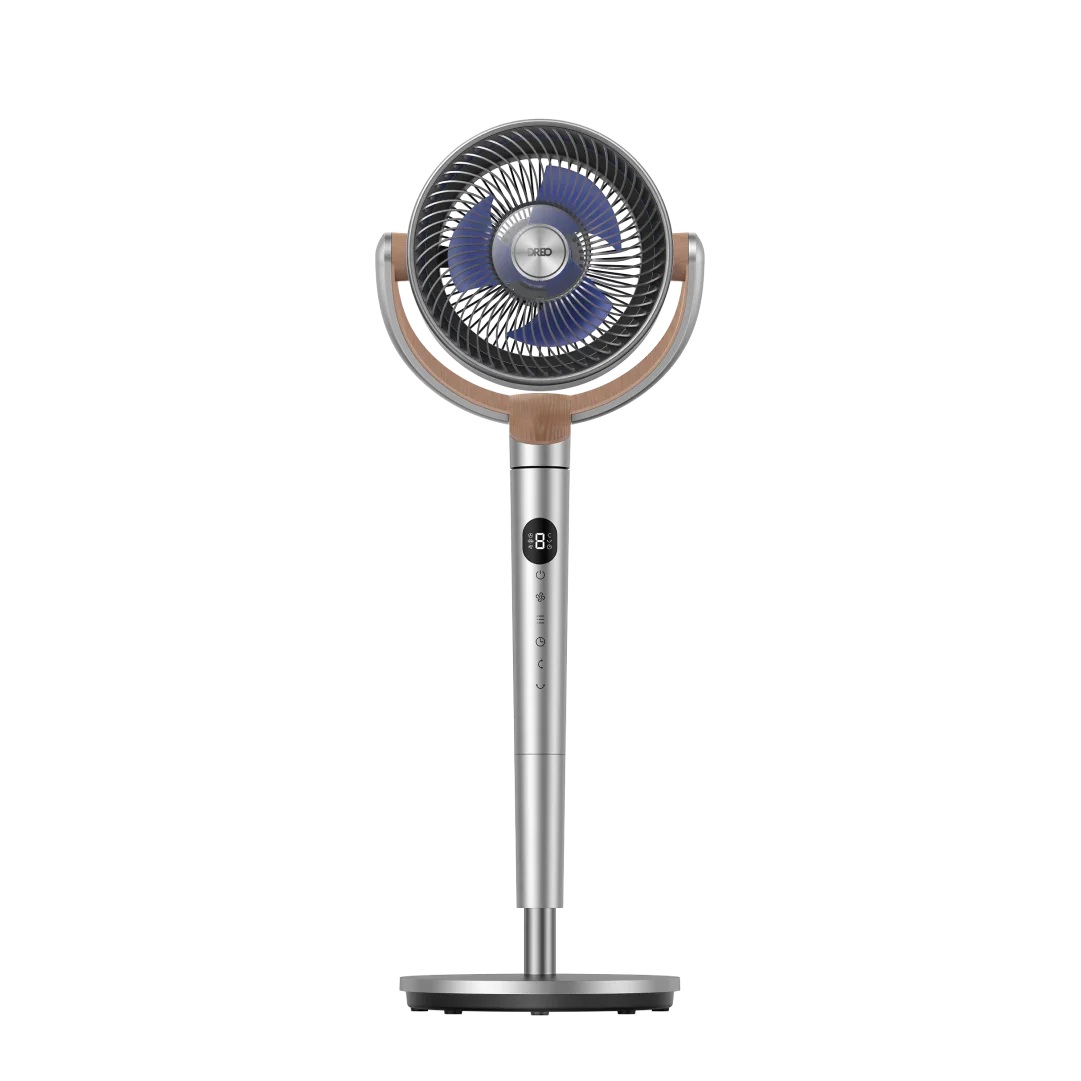
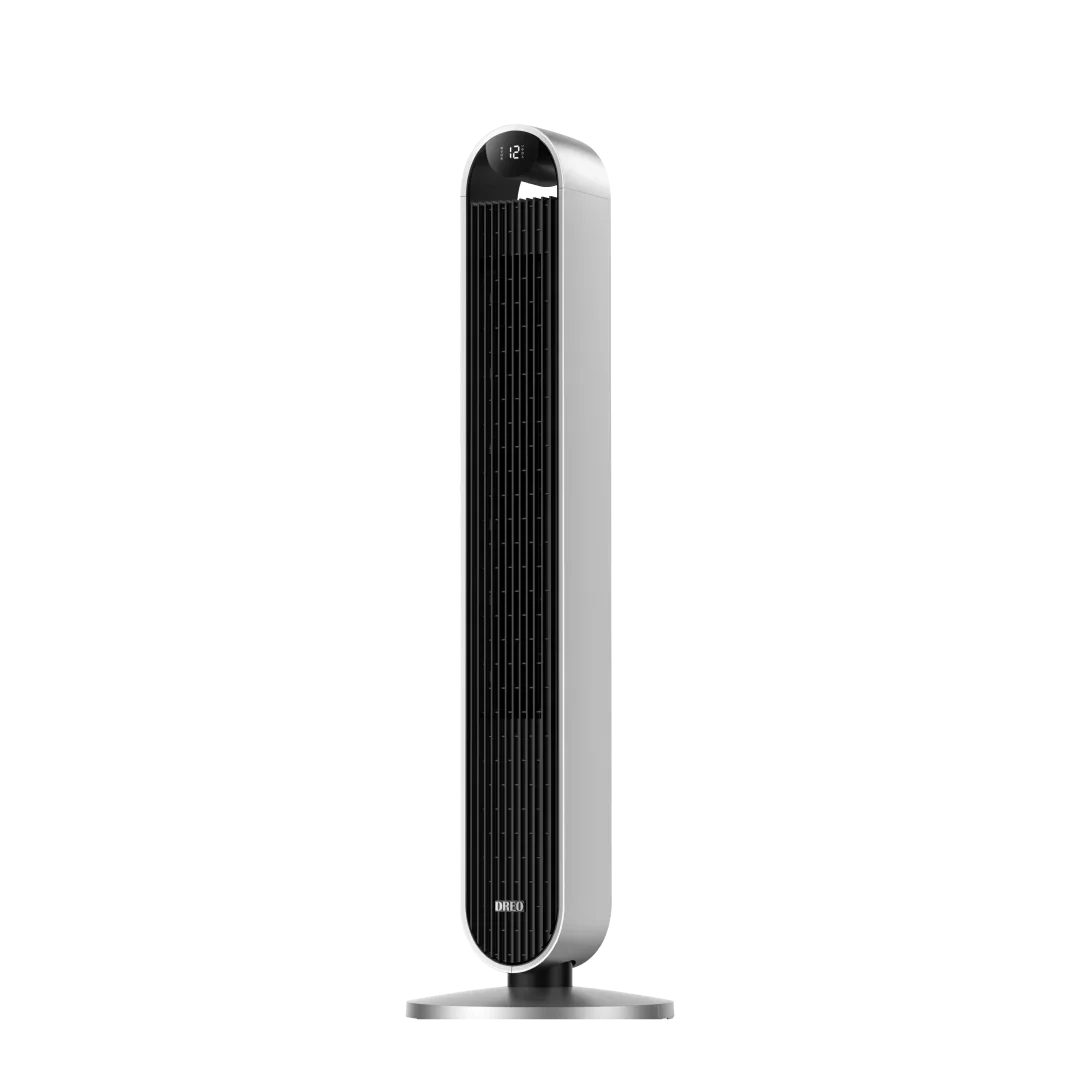
The DREO Pilot Max S
brings that same kind of quiet. Its 25dB² noise level and quiet acoustic design help keep air moving without drawing attention to the fan itself. For light sleepers, that softer background presence can make the bedroom feel much easier to settle into.
Airflow still matters, even when quiet is the priority
A quiet fan still needs to move enough air to make the room feel more comfortable. Otherwise, you may end up running it at a higher speed all night just to feel the effect.
That is where airflow strength and room coverage matter. In a larger bedroom, a fan that can circulate air farther across the room may feel more effective. In a smaller one, a gentler setup may be enough, as long as it keeps the air from feeling stagnant.
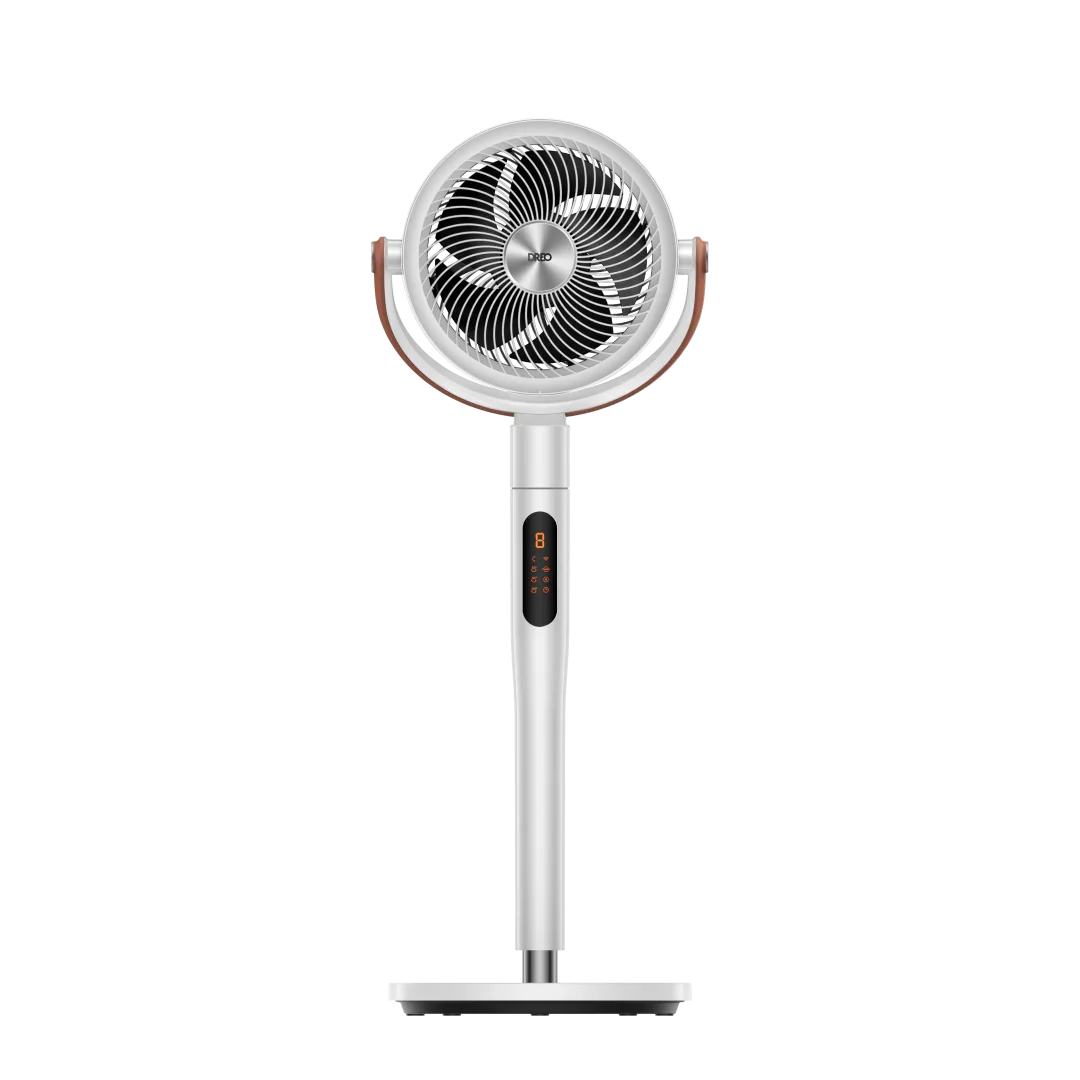
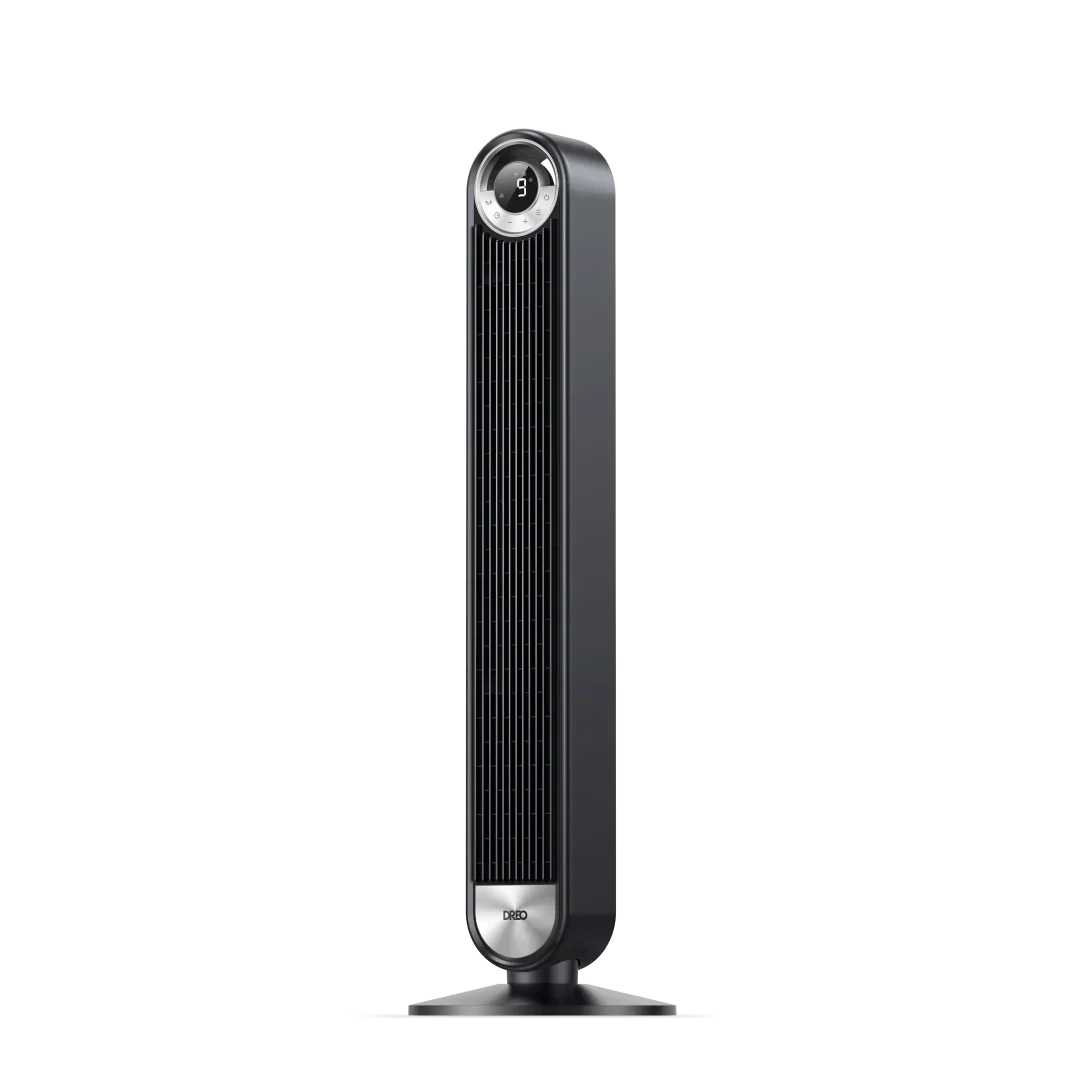
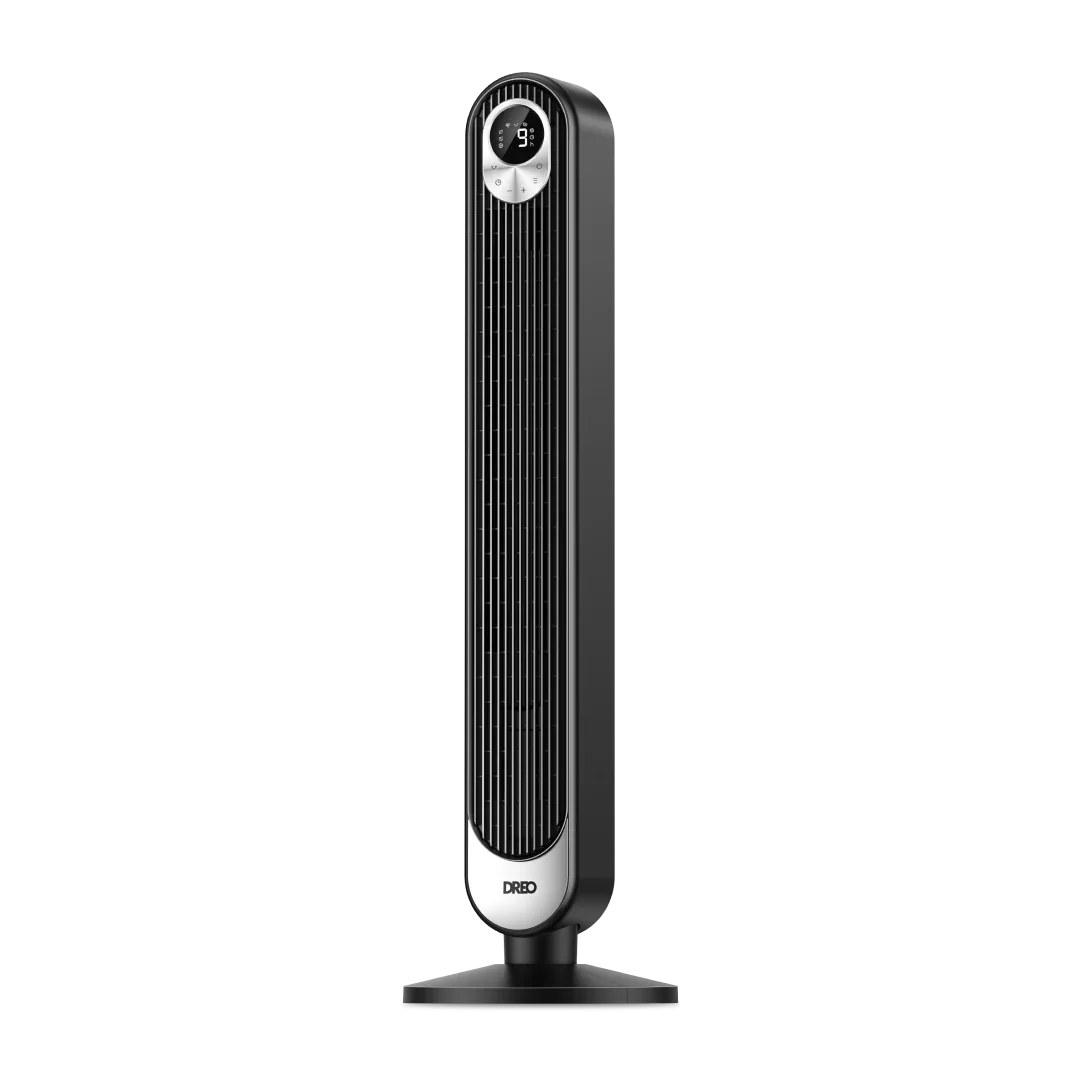
The DREO Cruiser Pro T3
delivers airflow up to 26 ft/s³ with 90° oscillation, helping air move more evenly throughout the room. That wider reach can be especially useful in bedrooms where one side tends to feel stuffier than the other.

For stronger whole-room airflow, the DREO Tower Fan 519
offers winds up to 28 ft/s⁴ and a large 1304 CFM⁴ air volume. That can be especially useful for refreshing the air before bed, then shifting to a quieter setting once the room feels more settled.
Sleep mode is more important than it sounds
A dedicated sleep mode is one of the most valuable features a bedroom tower fan can have. During the day, you may want stronger airflow and visible controls. At night, those same features can feel unnecessary or even disruptive. Sleep mode helps soften the experience by reducing noise, adjusting airflow, and dimming or turning off bright displays.
The DREO Tower Fan 519 includes a sleep mode that automatically adjusts wind speed and dims the display lights. That combination helps the fan stay useful without making itself too noticeable once the room is dark. It is a small feature, but one that fits naturally into a bedtime environment.
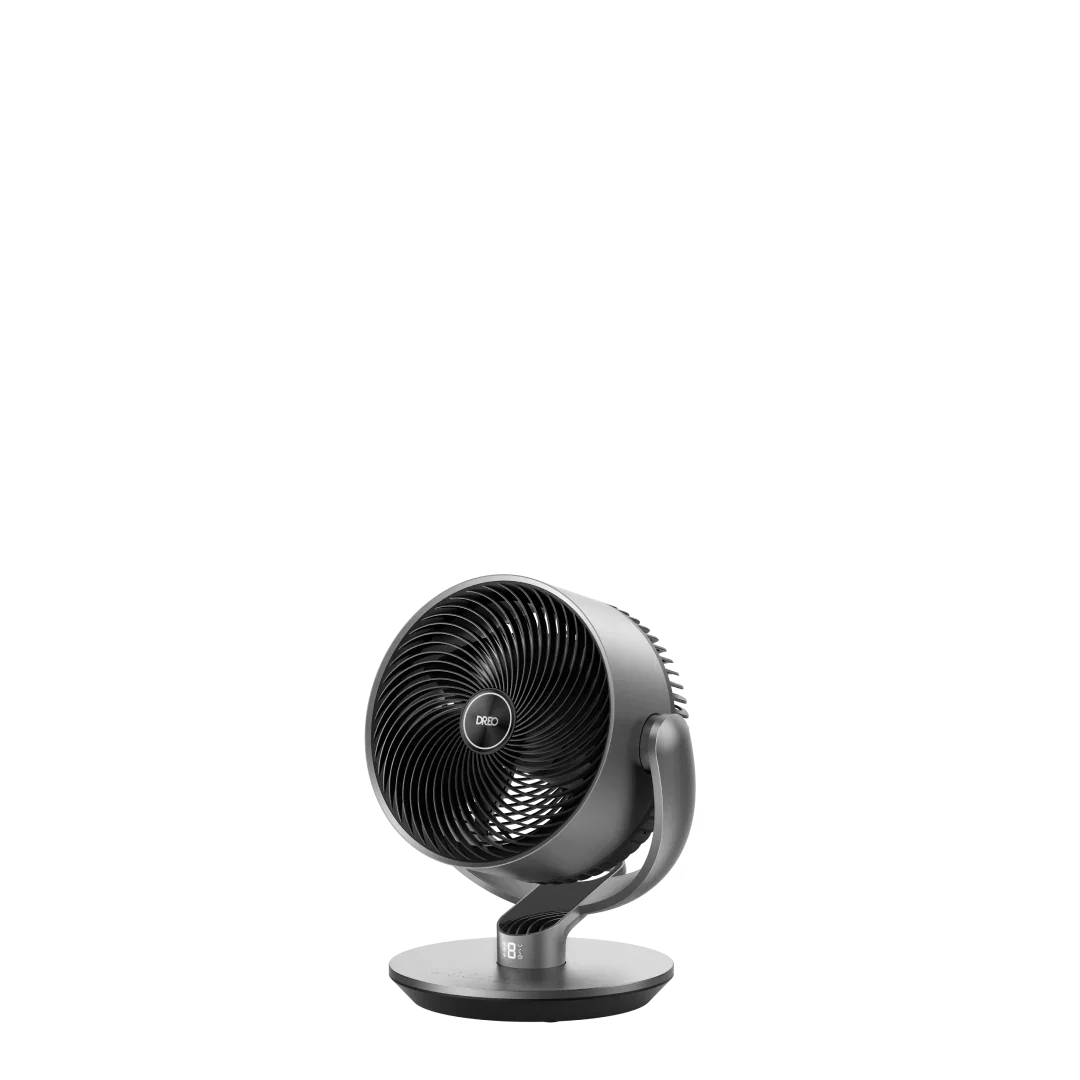
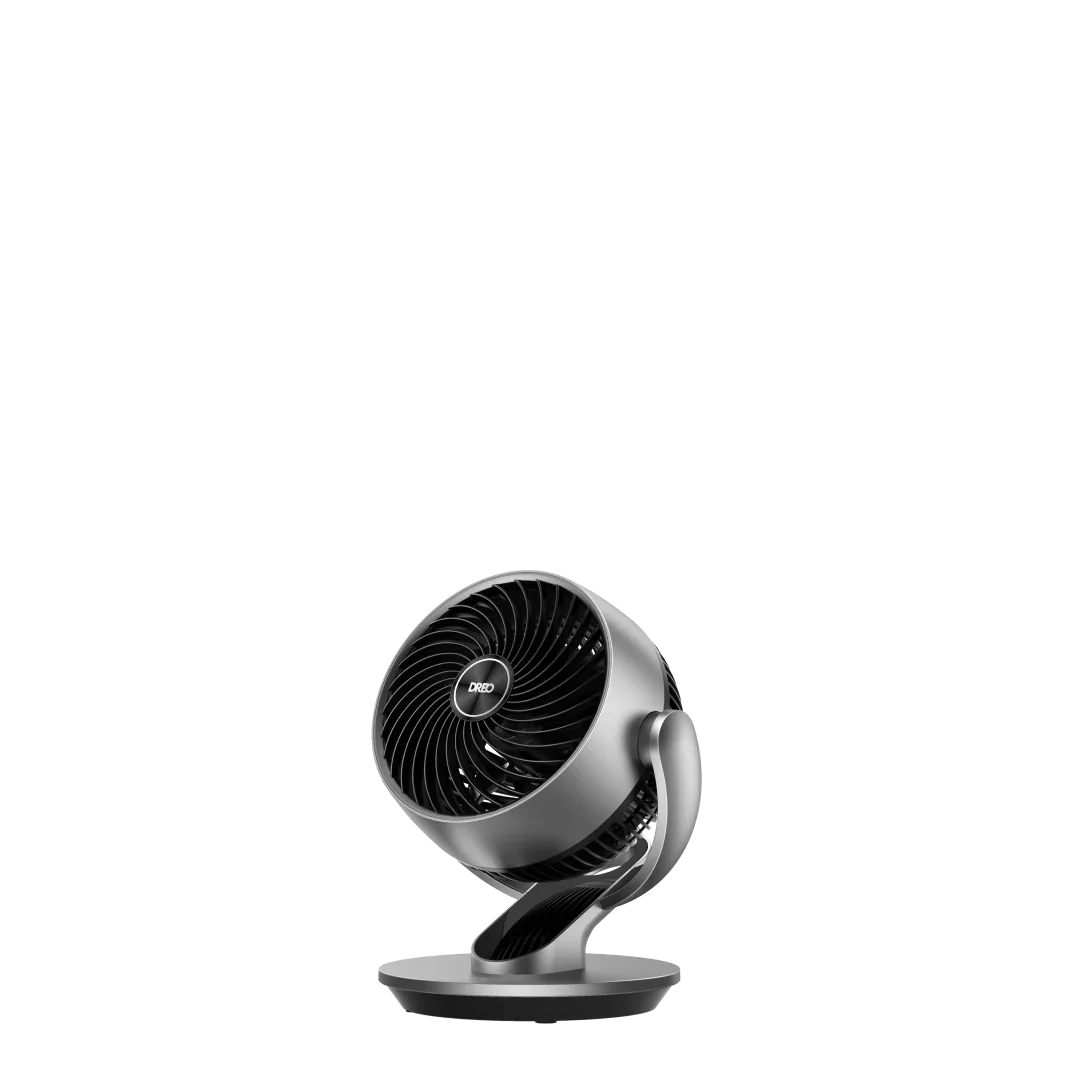
The DREO Nomad One also offers strong bedroom appeal here. With auto mute in Sleep mode, display auto off, an 8 hour timer, and soothing airflow, it is designed to support rest in a quieter, more unobtrusive way. That kind of thoughtful setup can make a bedroom feel more sleep-friendly without requiring much effort from you.
Choose settings that match your sleep habits
No two people sleep exactly the same way. Some prefer a gentle breeze all night. Others want stronger airflow as they fall asleep, then a quieter setting later on. That is why multiple speeds and modes can be genuinely useful in a bedroom rather than just sounding impressive on a product page.
The DREO Pilot Max S offers 12 speed settings via the DREO app, 4 modes, and customizable oscillation angles of 30°, 60°, 90°, and 120°. That flexibility allows you to tailor the airflow to your room and your routine. You may want a wider sweep while you are reading in bed, then a narrower or softer airflow when it is time to sleep. The point is not to have more settings for the sake of it. It is to make comfort easier to adjust.
Smart controls can make bedtime easier
Convenience matters more in the bedroom than people sometimes expect. Once you are settled in bed, even a small interruption can feel larger than it should. Getting up to adjust the fan may not sound difficult, but it is also not what you want to do when you are already winding down.
That is where smart features can quietly improve the experience. The DREO Pilot Max S includes app control and compatibility with Amazon Alexa and Google Home, allowing you to adjust the fan without leaving bed. It also offers Auto Mode, which senses the ambient temperature and automatically adjusts fan speed. While that does not cool the room itself, it can help keep airflow feeling appropriately balanced as bedroom conditions shift through the night.
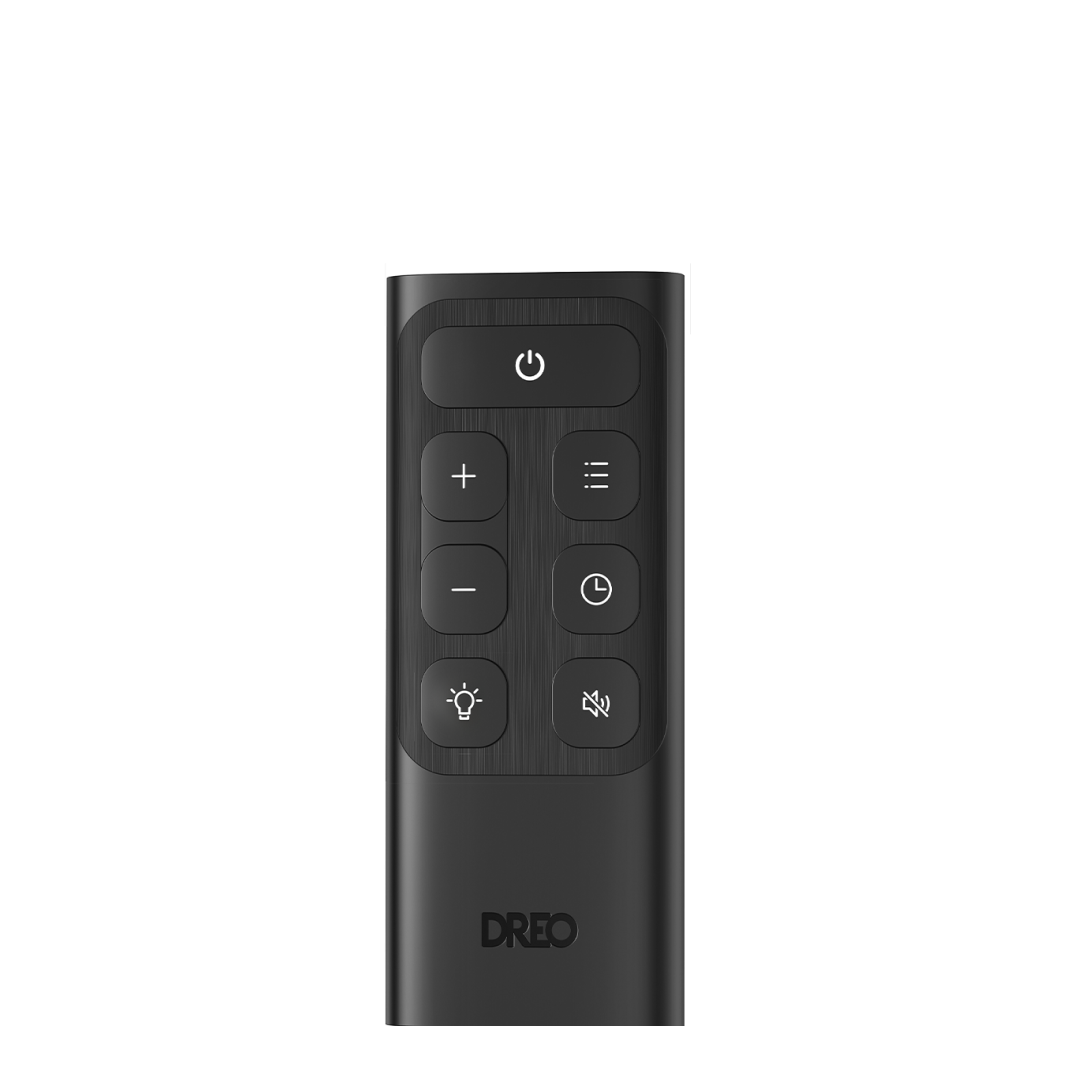
Even without full smart integration, a remote control is highly useful in a bedroom. The DREO Cruiser Pro T3 includes remote access and easy-touch controls, so you can change settings from bed or sofa without interrupting your rest too much.
Final takeaway
A tower fan can be an excellent addition to a bedroom when it is chosen with the right expectations. It will not lower the room temperature, but it can improve airflow, reduce stuffiness, and create a gentler, more comfortable environment for sleep.
A more comfortable bedroom often starts with better airflow, and a DREO tower fan can help bring that sense of ease into your nightly routine.
¹Tested by third party, using DR-HTF009 at the lowest fan speed settings. Actual results may vary.
²Tested by DREO lab, using DR-HTF004S at the lowest fan speed settings. Actual results may vary.
³Tested by DREO lab, using DR-HTF008 at the highest fan speed settings. Actual results may vary.
⁴Tested by third party, using DR-HTF009 at the highest fan speed settings. Actual results may vary.


