









Inside the Air Booster Structure of DREO TurboPoly™ Fans


A fan's job seems simple enough: move air, make a room feel more comfortable. But how that air moves makes all the difference. It shapes how far the airflow travels, how evenly it spreads, how quiet the experience feels, and how naturally the fan fits into everyday life.
That is the idea behind the DREO TurboPoly™ fan series. Familiar in purpose, but rethought in design. At the center of the system is the Air Booster Structure, working together with the Spiral Grill, Bionic Blades, and a high-performance DC motor. These are not separate features added for effect. They are parts of a single airflow design, built to help air move with more direction, more consistency, and less waste.
The result is not air that simply rushes forward. It is airflow that holds together, reaches farther, and feels more balanced across the room.
Air That Travels Farther, With More Control
One of the common limits of a traditional fan is not a lack of speed. It is a lack of control. Stand directly in front of it, and the airflow feels strong. Move a little to the side, and that effect begins to fade. The air is moving, but not always in a way that stays useful once it leaves the fan.
That is where the Air Booster Structure begins to matter. By helping compress and guide the moving air before it exits the fan, it creates a more focused stream with greater direction and stability. Instead of scattering too quickly, the airflow holds its shape longer, which helps it travel farther and stay effective across a wider area.
The difference becomes easier to notice in real spaces. In open floor plans, airflow can continue deeper into the room instead of losing strength halfway across it. In shared living areas, the comfort is less concentrated in one narrow zone. In bedrooms, circulation can feel more even without constant repositioning.
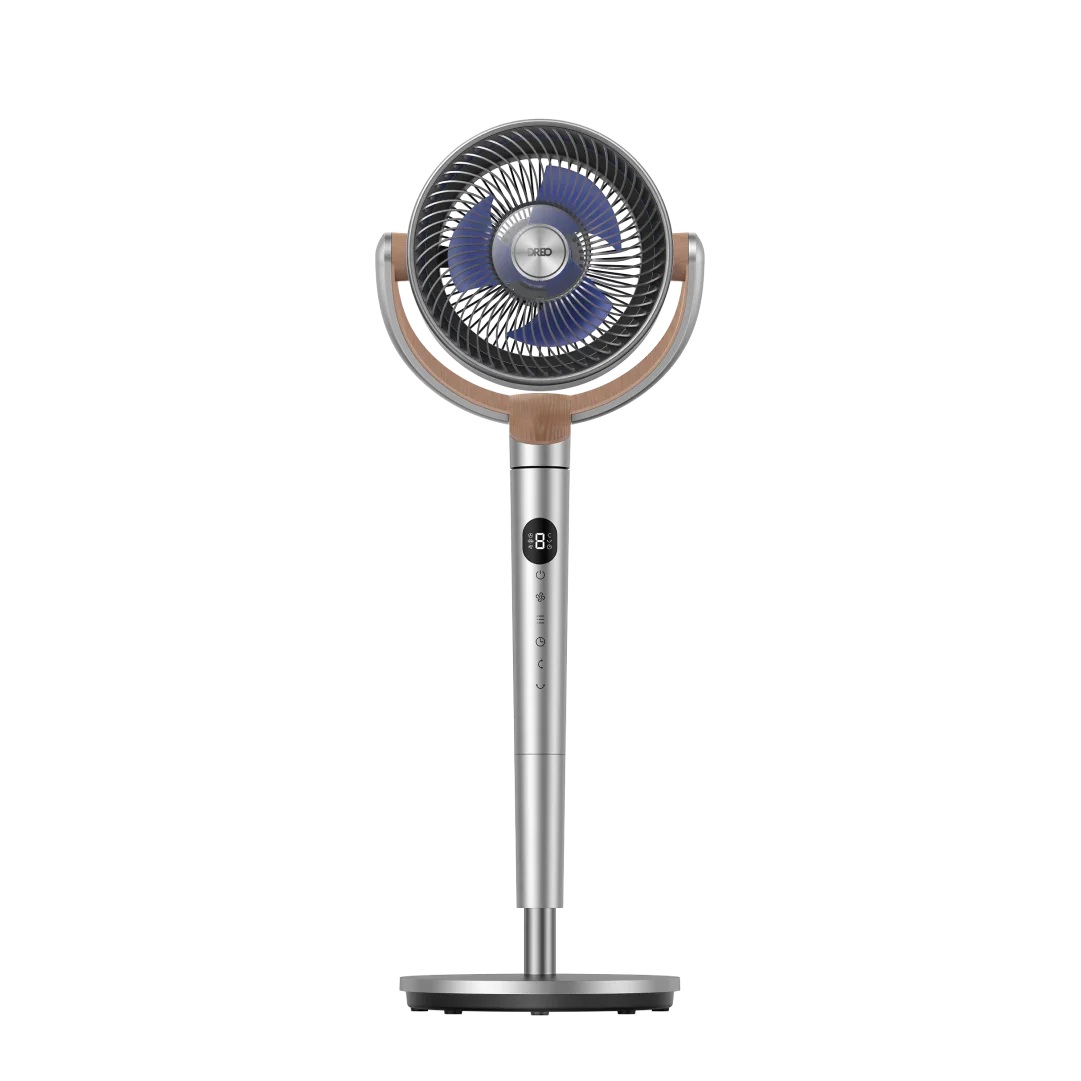
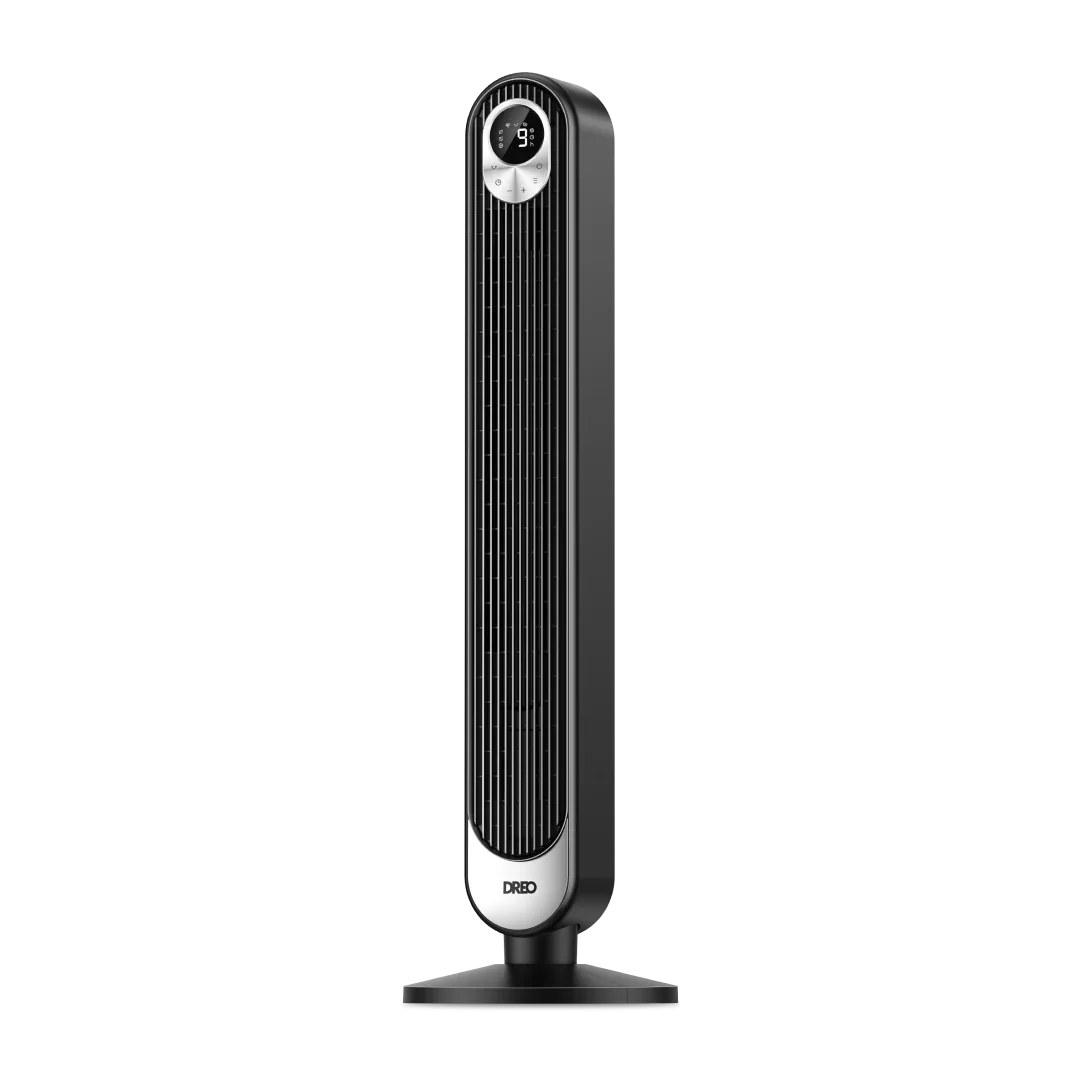
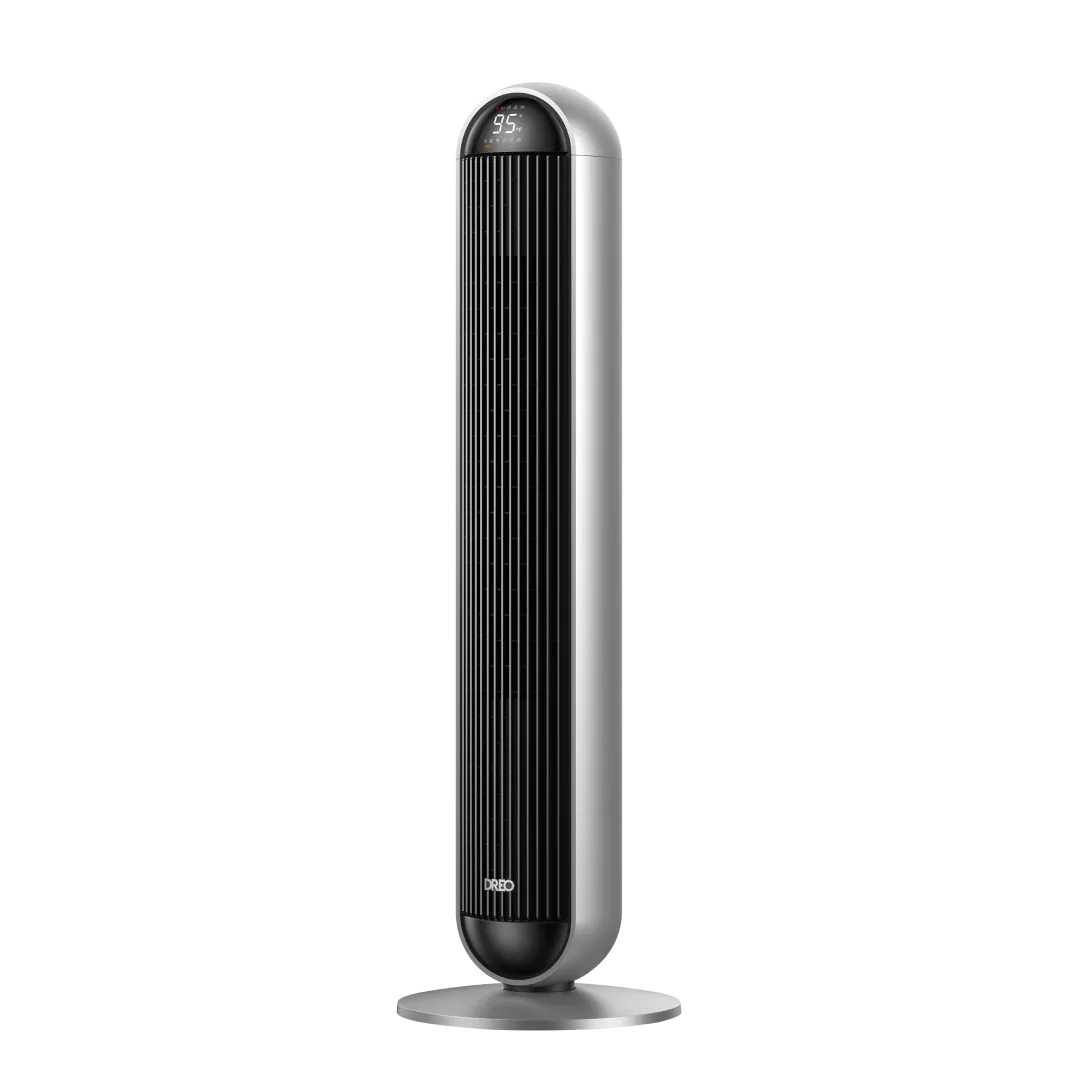
For larger spaces, that kind of control becomes even more important. The DREO TurboPoly™ Fan 765S combines TurboWind™ performance up to 120 feet* and 1500 CFM*, helping airflow travel farther while staying more focused through the room. MotionSync™ 3D Airflow Control takes that a step further, letting you aim and swipe airflow direction through the remote, so the fan follows your lead instead of moving in a fixed pattern. Its 2-in-1 tabletop and pedestal design also makes it easier to place that airflow where it is needed most.
The Spiral Grill Does More Than Sit at the Front
A front grill is easy to overlook. For many fans, it functions mainly as a protective cover. Necessary, but passive. In the DREO TurboPoly™ fan, the Spiral Grill plays a more active role in how airflow leaves the fan.
Its spiral geometry helps guide the outgoing air, supporting a cleaner and steadier exit path. That helps preserve the structure of the airflow and reduces the kind of early dispersion that can make circulation feel patchy or short lived.
This may seem like a small detail, but airflow performance is often shaped by small details working together. Once air leaves the fan, every element that supports direction and consistency matters. A more controlled exit helps the airflow travel more smoothly into the room instead of breaking apart too soon.
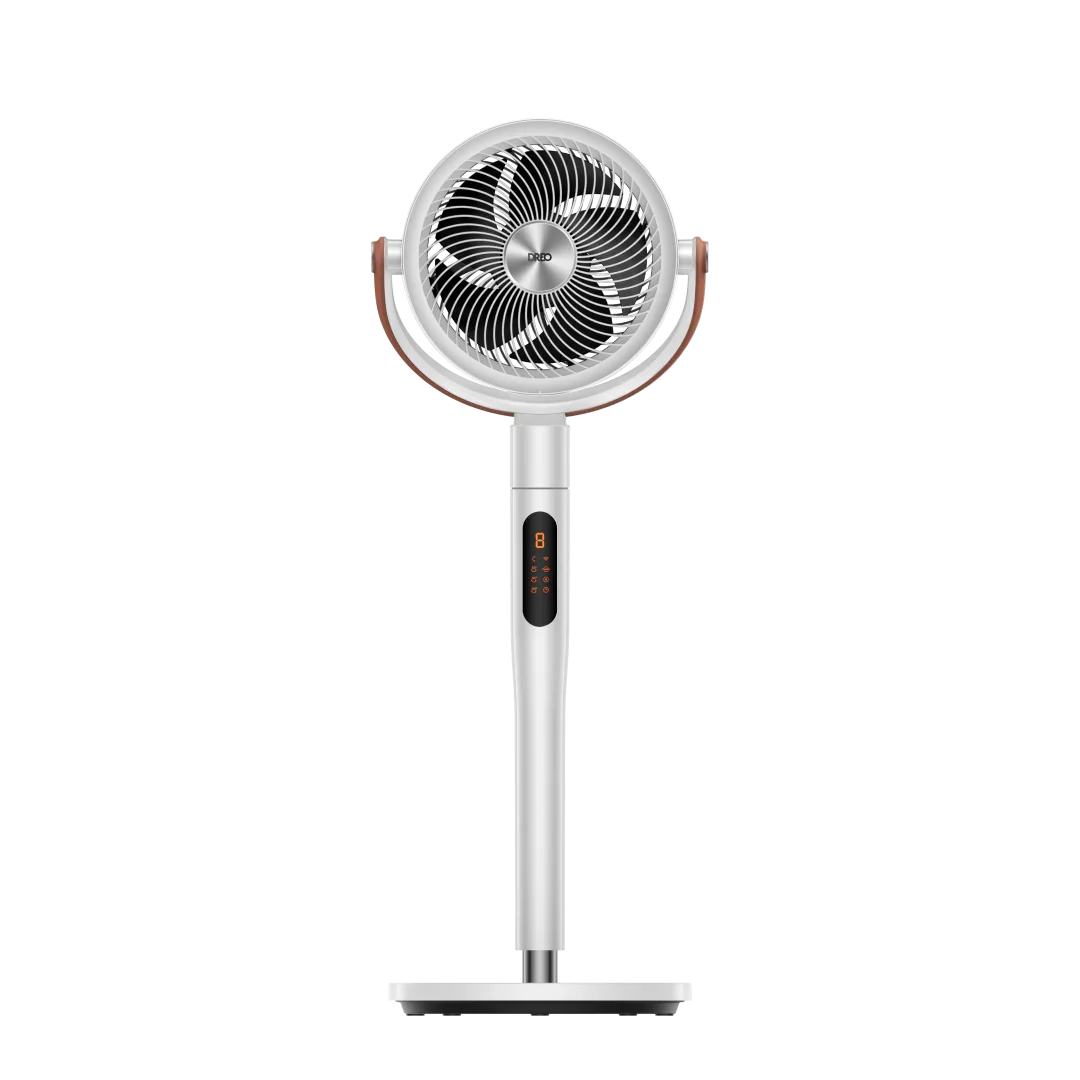
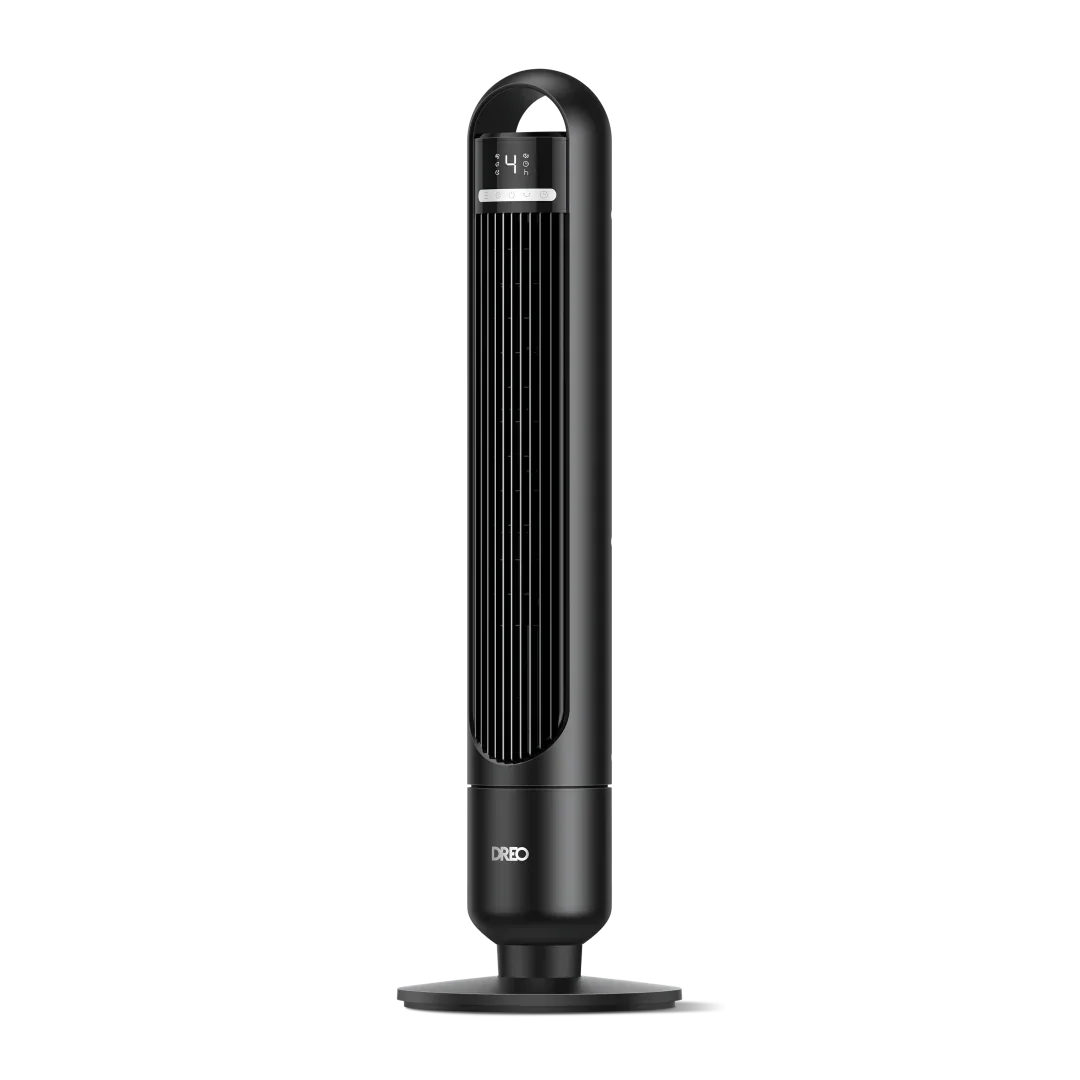
For a fan like the DREO TurboPoly™ Fan 508S, that kind of airflow control becomes more noticeable once the air enters the room. The Spiral Grill helps the outgoing stream leave more cleanly, and the fan's 3D automatic oscillation up to 120° carries that airflow across more angles instead of keeping it fixed in one narrow path. With 9 speeds and 6 modes, it is easier to adjust how that circulation feels throughout the day, whether the room needs a gentler flow or a stronger push. With airflow reaching up to 96 feet* and 1000 CFM*, the result is not just stronger air movement, but airflow that stays more usable across the space.

Blades That Move Air More Smoothly
A fan's blades are among its most visible parts, yet their shape is often treated as a simple mechanical necessity. In reality, blade design has a major effect on airflow quality, noise, and efficiency.
Many traditional fan blades are relatively flat and broad. They can move air effectively enough, but they also tend to create more turbulence in the process. That turbulence can make airflow feel rougher, increase resistance, and contribute to more noticeable noise.
Bionic Blades take a different approach. Their curved, tapered shape is inspired by aerodynamic wing profiles, helping produce a smoother stream of air with less disruption. Instead of simply forcing air forward, they are designed to move it more cleanly.
The benefit shows up in more than one way. Smoother airflow means the fan can deliver strong circulation at lower RPMs. That can improve efficiency, reduce wear on the system, and most noticeably, keep operation quieter.
A DC Motor for Smoother Performance
The motor is another important part of the TurboPoly™ fans. Here, the DC motor does more than keep the fan running. It helps airflow move through the system with more stability and less interruption, which matters because even strong blade and grille design depend on steady mechanical support behind them. When the motor runs more smoothly, the airflow feels more controlled and less mechanically rough.
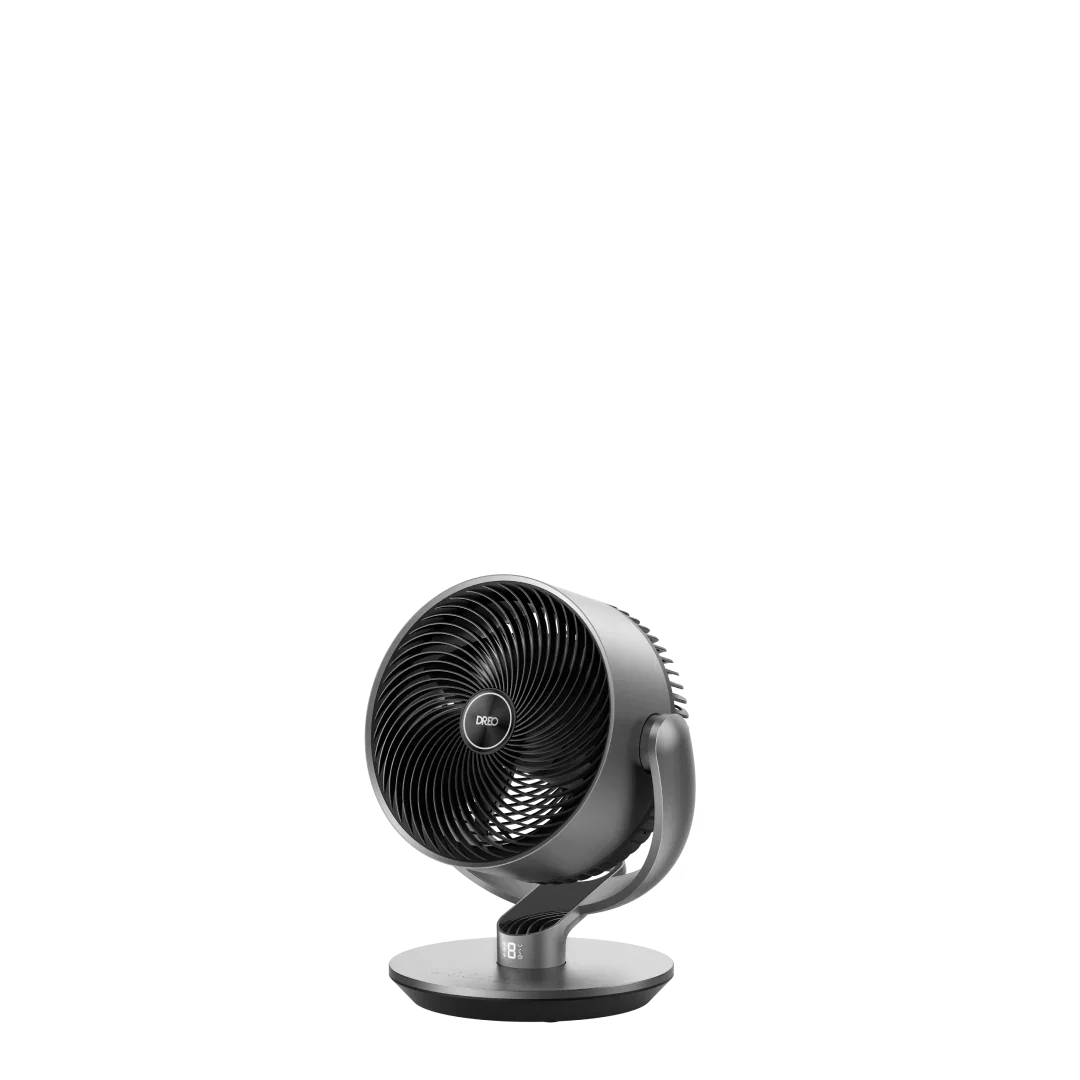
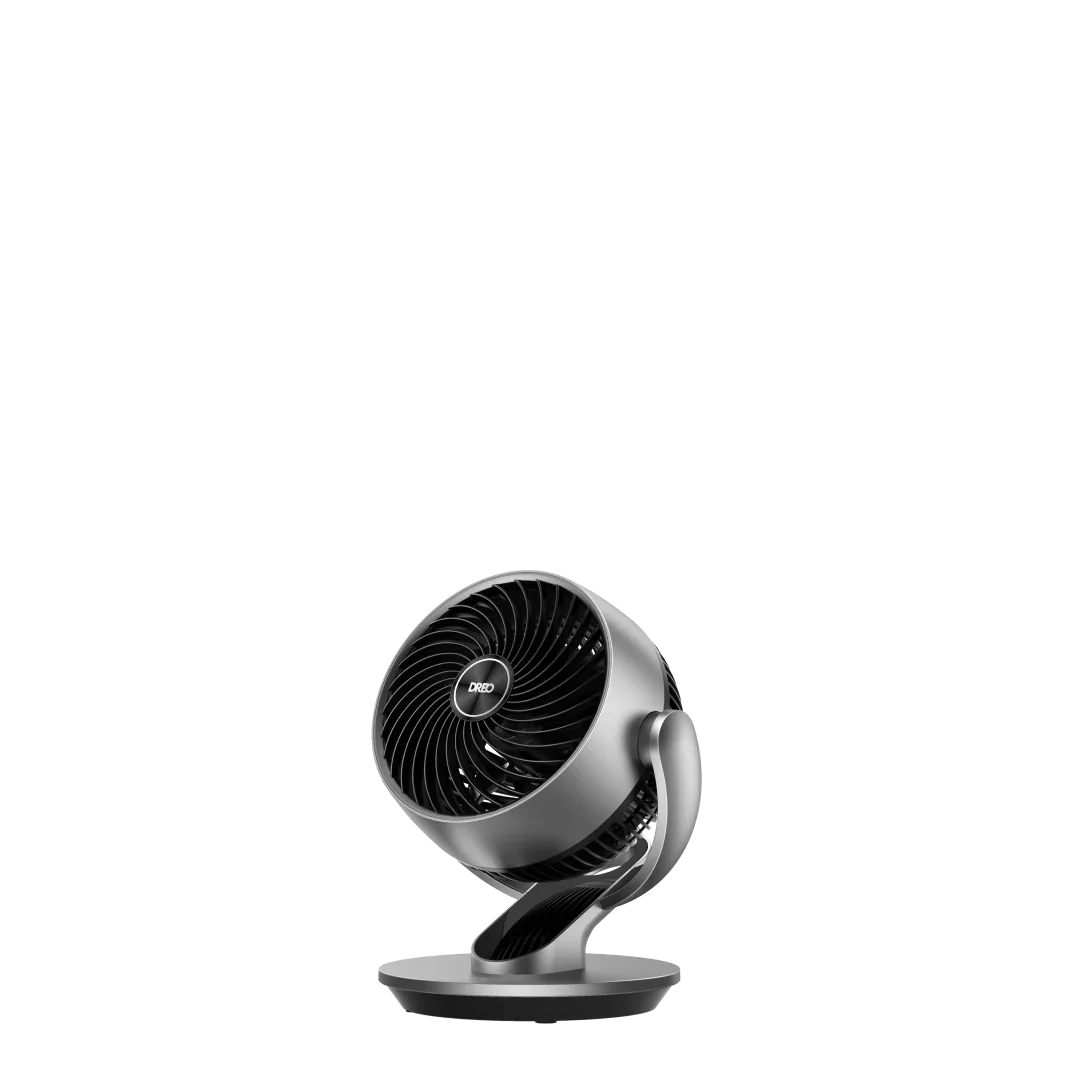
That same idea carries into the DREO TurboPoly™ Table Fan 565S. With airflow up to 85 feet* and 950 CFM*, it brings substantial circulation into a smaller format. Its brushless DC motor helps maintain that reach while keeping operation as low as 20 dB**, making it especially well suited to desks, bedside tables, and other compact spaces where strong airflow needs to feel controlled, not intrusive.

Final Takeaway
At the heart of the DREO TurboPoly™ fan series, the Air Booster Structure helps airflow move with more direction and control once it leaves the fan. Together with the Spiral Grille, Bionic Blades, and DC motor, it points to a more refined approach to air circulation.
That difference becomes easier to notice in the room itself. Airflow holds together longer, reaches deeper into the space, and feels more balanced in everyday use.
*Tested by DREO lab, using TurboPoly™ fan at the highest fan speed settings. Actual results may vary.
**Tested by DREO lab, using TurboPoly™ fan at the lowest fan speed settings. Actual results may vary.


