


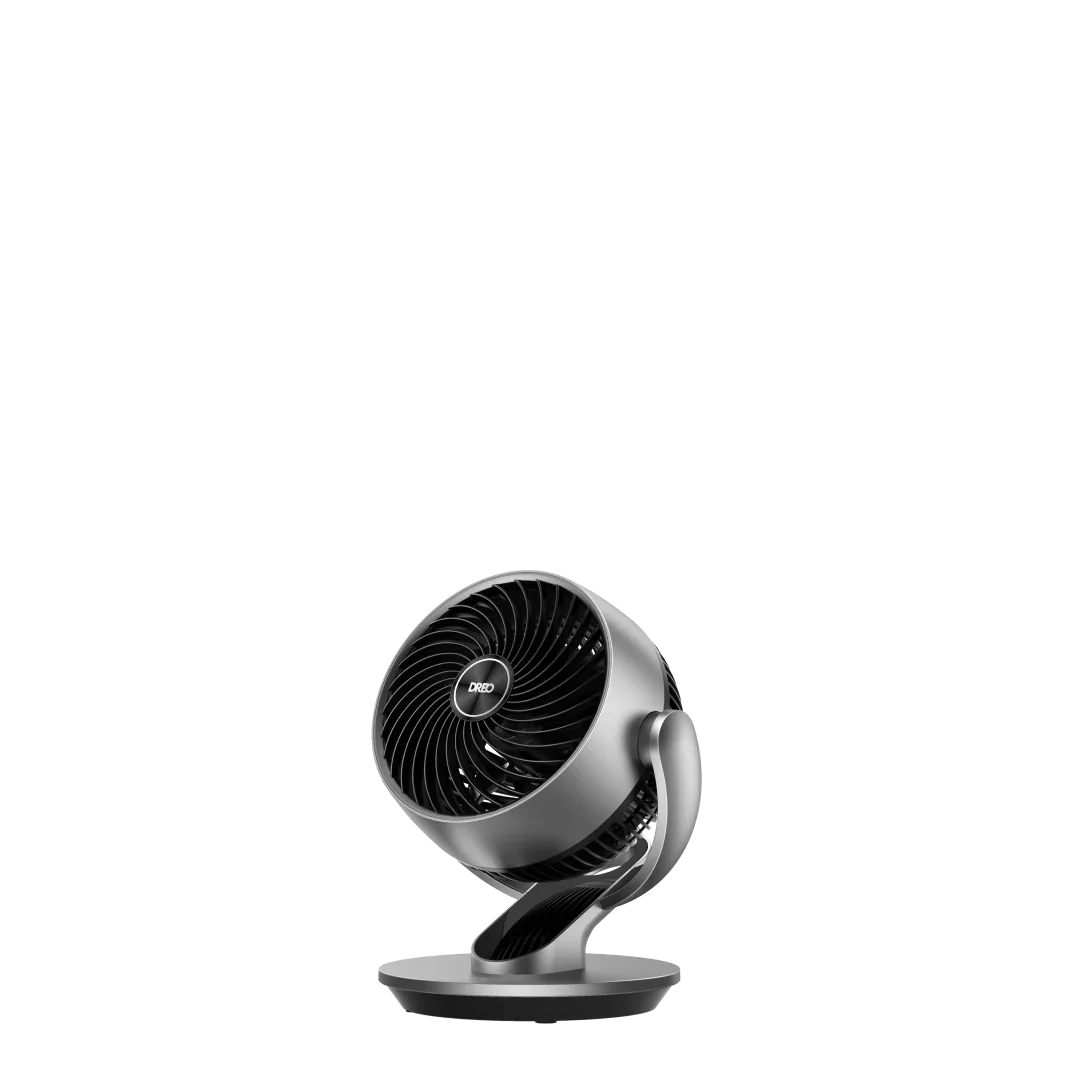

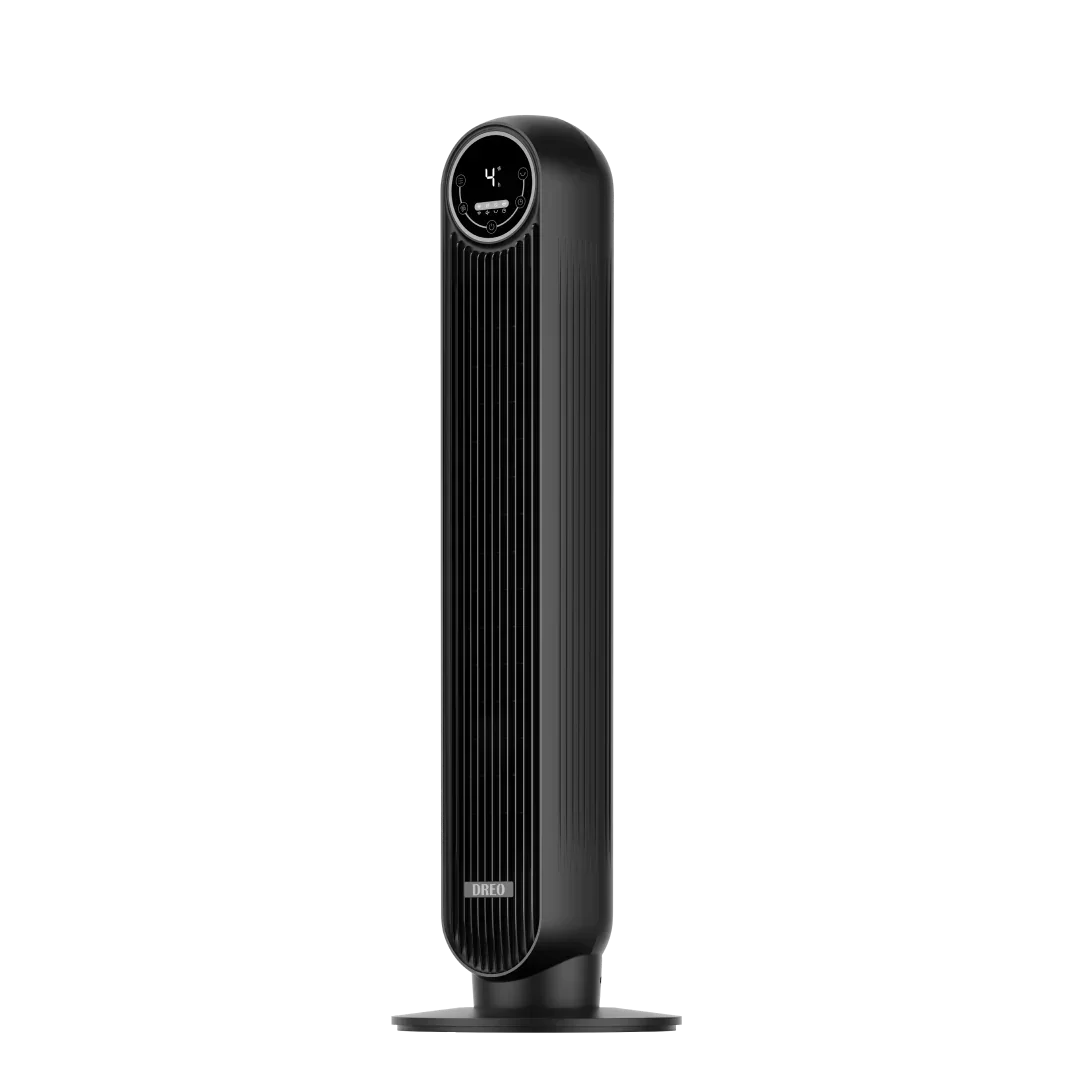
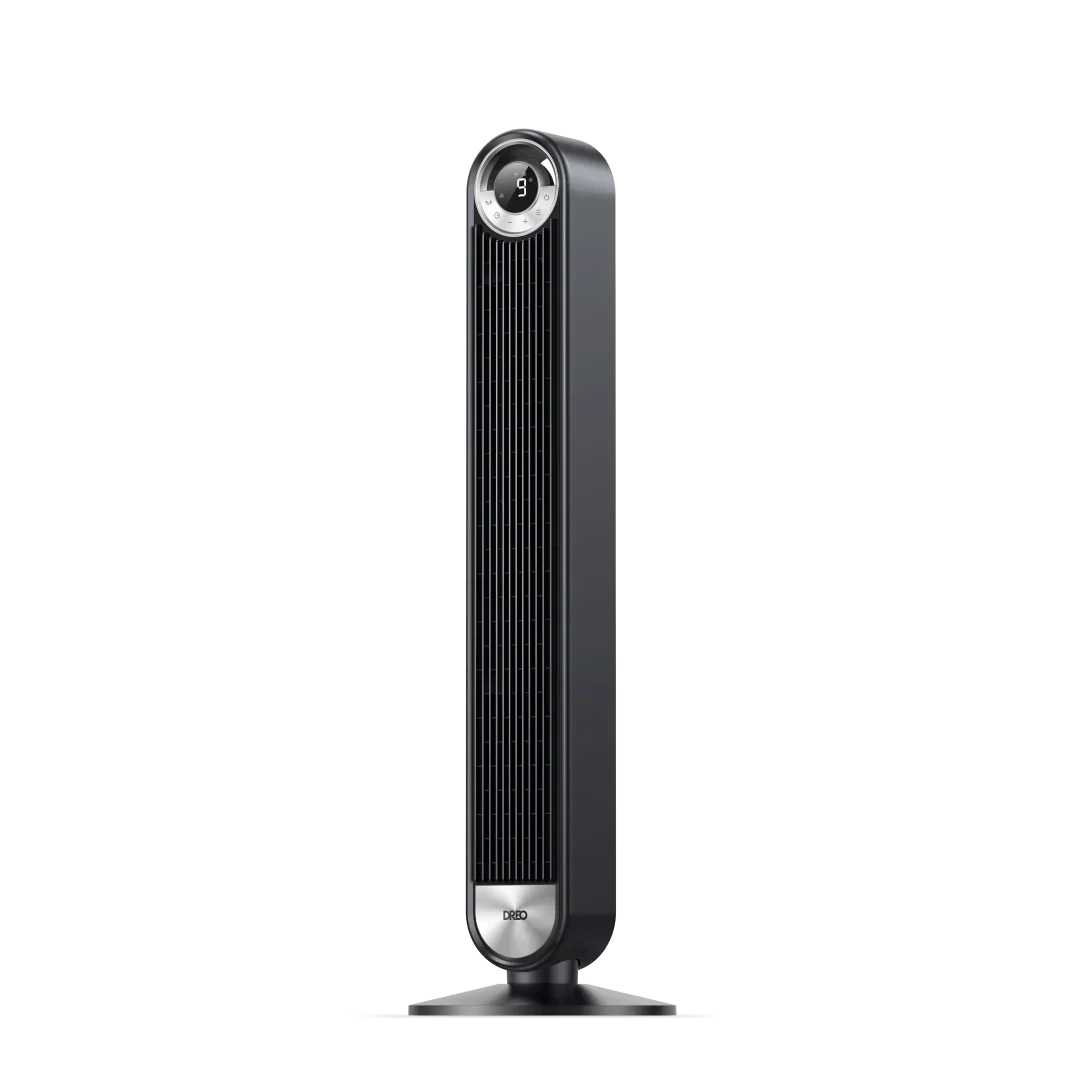
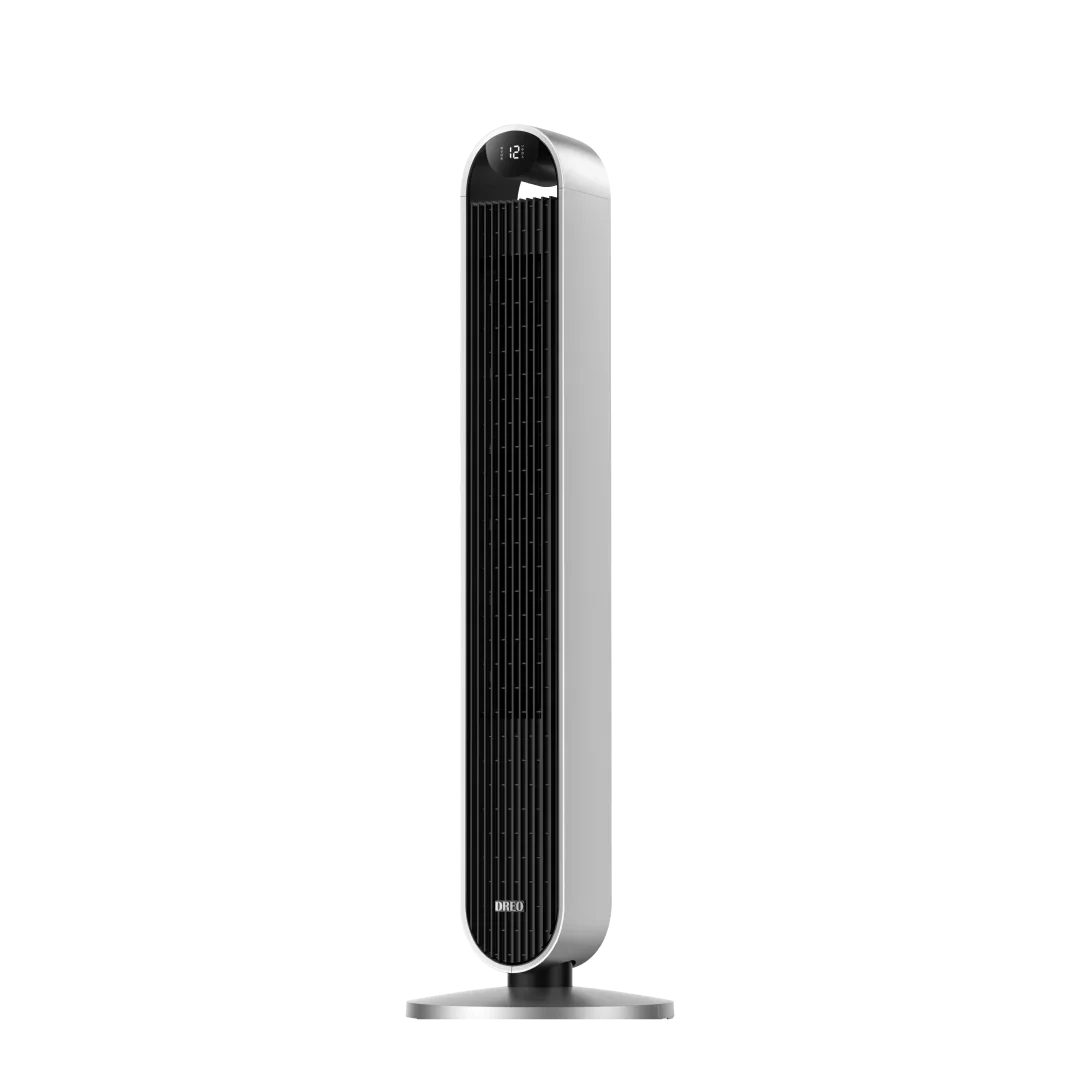






Precision in Motion: The Control Architecture Powering DREO’s Next-Gen TurboPoly™ Fan


Motion responsiveness in consumer appliances is rapidly evolving, from gimmicky gesture controls to genuine environmental adaptation. At the heart of this transformation is a shift from fixed-function hardware to intelligent systems driven by precise feedback loops.
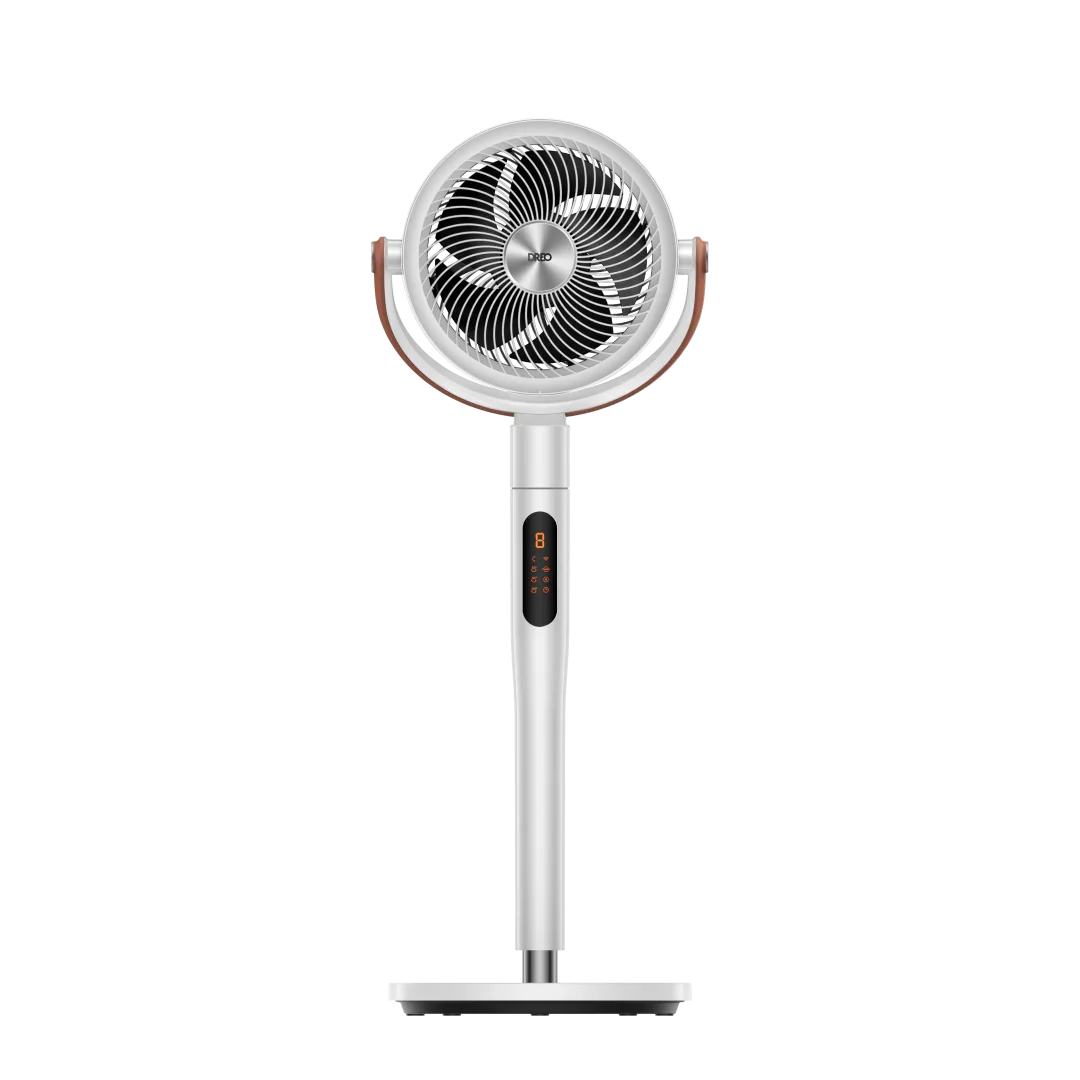
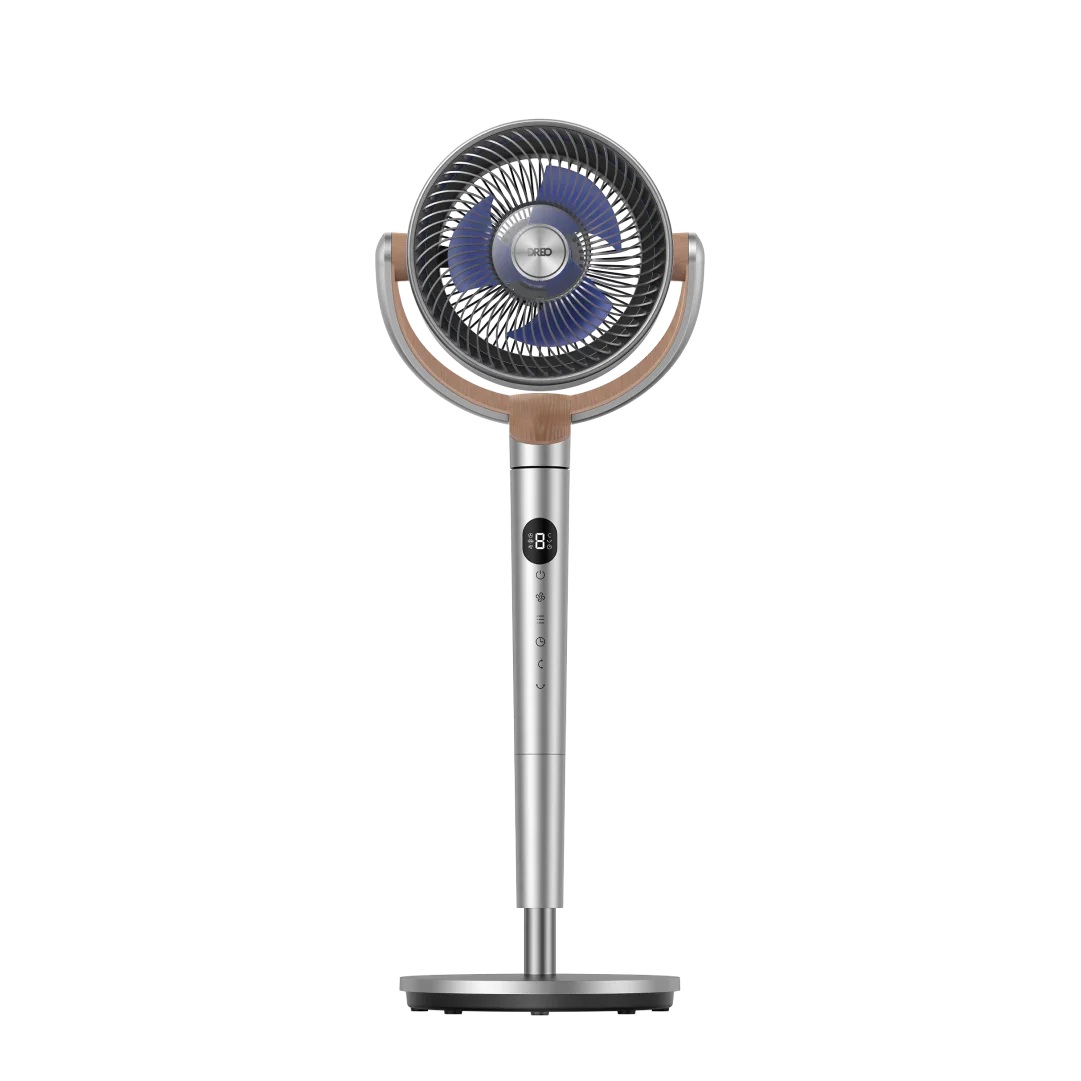
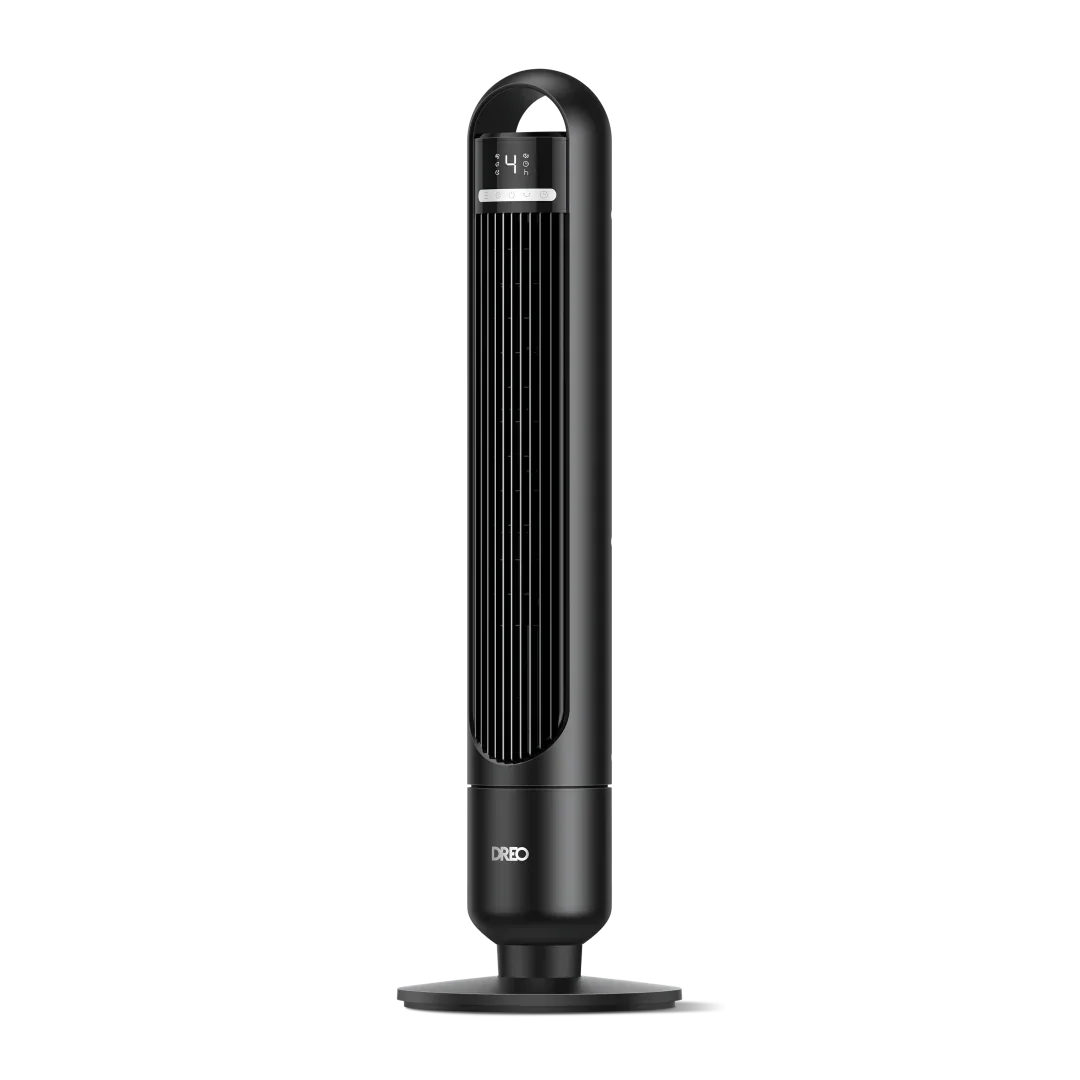
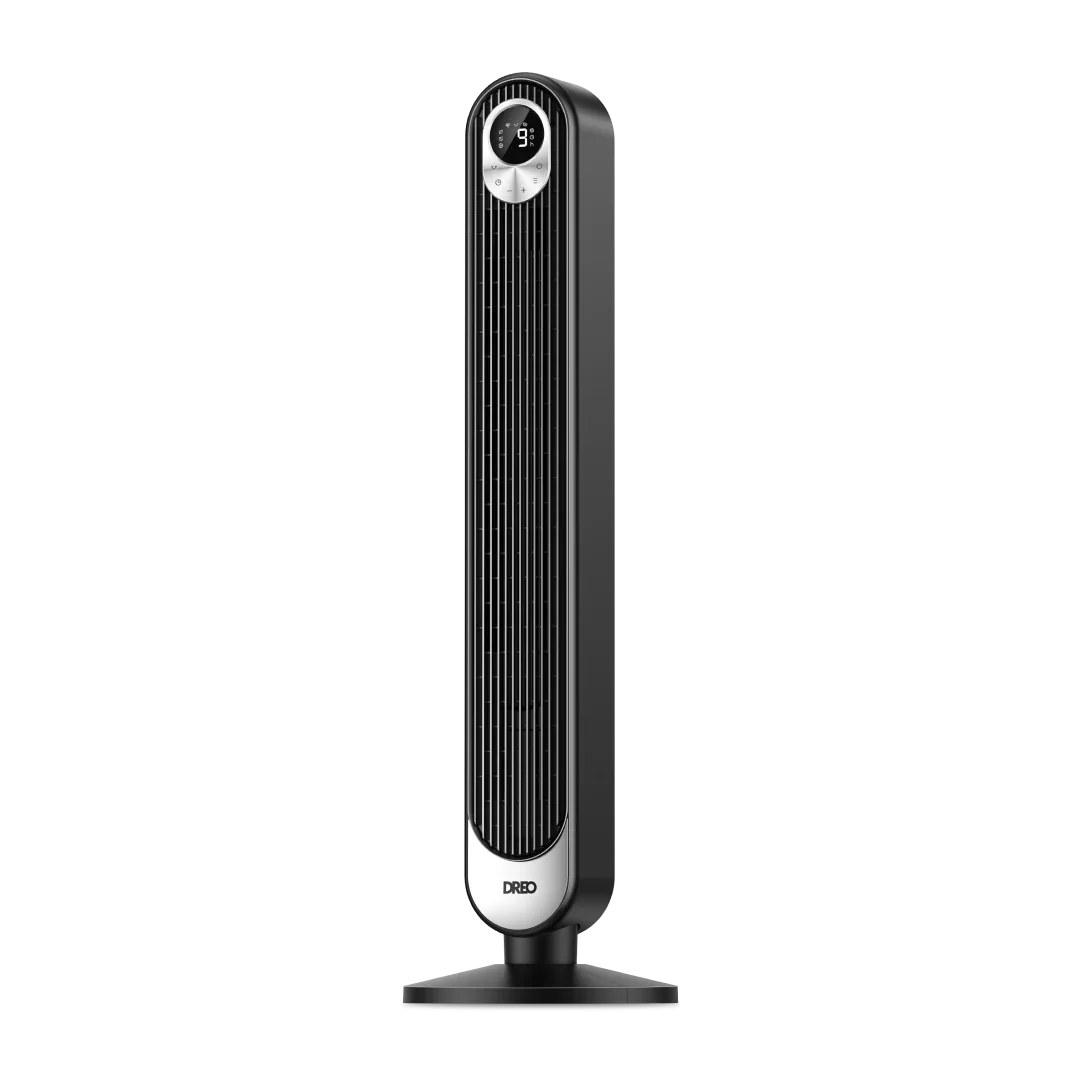
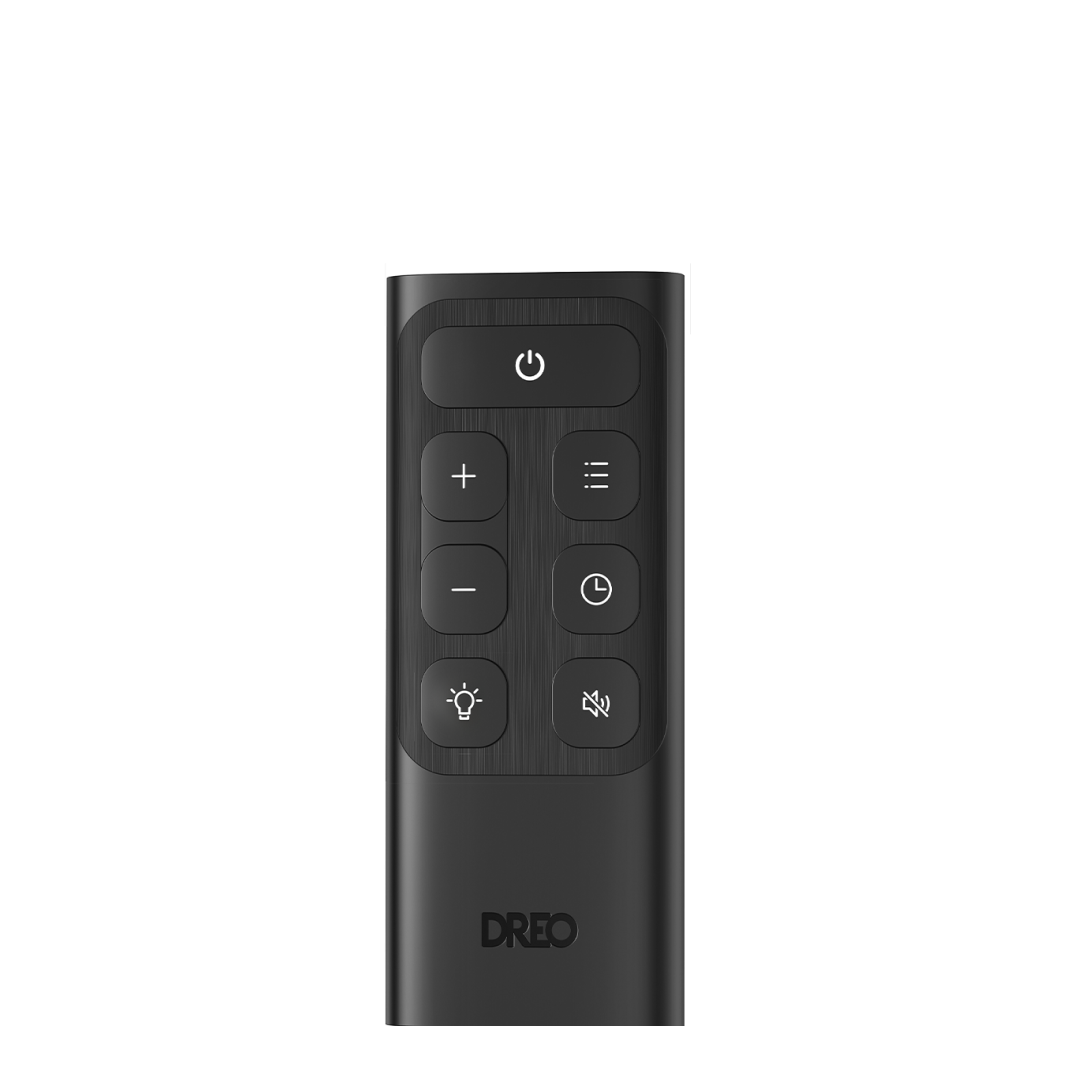
DREO's new TurboPoly™ Fan 765S reimagines what responsive airflow can feel like. The key is not hidden deep in the fan body but rests right in your hand, a motion-aware remote equipped with MEMS gyroscope technology. Tilt it, turn it, or shift your grip ever so slightly, and the remote senses its own orientation and instantly relays that motion to the fan. The oscillation angle follows in real time, creating a sense of airflow that moves with you rather than at you.

From Rotation to Recognition: What a MEMS Gyroscope Enables
The core of the system is a MEMS gyroscope, a microelectromechanical sensor that measures angular velocity with remarkable precision. Combined with a six-axis sensor stack made of both a gyroscope and an accelerometer, the fan can interpret pitch, yaw, and roll within three-dimensional space. In practical terms, the fan understands exactly how it is moving and how it should correct its posture.
This level of spatial awareness is essential for several key functions:
- Real-time motion response: The system can sense when the fan is tilting, shifting, or being repositioned, allowing it to react immediately and intelligently.
- Orientation lock: Even if the device is nudged or adjusted, the fan maintains a consistent airflow direction by recognizing the change and stabilizing its output.
- Posture feedback: The sensor suite tracks movement relative to the user, helping the fan preserve directional stability during direct interaction.
A Closed-Loop System That Thinks for Itself
Unlike traditional fan systems that depend on static oscillation or timed rotation, the upcoming DREO TurboPoly™ Fan 765S operates through a genuine closed-loop control architecture. It senses, computes, and corrects continuously, creating airflow behavior that feels deliberate rather than preset.
The system is built on a modular structure with three tightly connected layers:
- Sensing Layer: Using high-precision MEMS gyroscope chips such as the Bosch BMI160 or the InvenSense MPU6050, the remote detects angular rate changes across multiple axes with exceptional accuracy. This allows the remote to track its own tilts and orientation changes with precision, and to send corresponding control signals to the fan so the oscillation angle adjusts in real time.
- Control Layer: Inside the fan, a dedicated microcontroller interprets all incoming data using sensor fusion algorithms such as Kalman filtering and complementary filtering. These algorithms smooth out noise, refine motion readings, and maintain directional accuracy even when the environment is busy or the device is under frequent adjustment.
- Actuation Layer: A DREO brushless DC motor responds to the processed commands through precise PWM control. It can adjust speed, orientation, and micro angle corrections to match the detected posture or interaction in real time.
By combining these layers into one continuous feedback cycle, the system achieves alignment accuracy that can reach within just a few degrees. It keeps the fan anchored to its intended orientation even as the room shifts, people move around, or the device is lightly bumped.
Smart Comfort, Rooted in Physical Precision
In real-world use, this means that airflow can be tied to actual spatial behavior:
- Orientation-based airflow control: When the remote is tilted or turned, the fan receives the directional command and adjusts its orientation accordingly, creating airflow that follows the guidance of the motion-sensing remote.
- Angle-locked delivery: When you settle, the fan maintains a stable direction and consistent airflow, rather than wandering away through continuous oscillation.
- Posture interactive comfort: Subtle body movements, whether leaning forward, reclining, or standing up, can be sensed and translated into optimized airflow that stays aligned with your posture.
All of this happens naturally, without any need for button presses or app controls. The experience feels not only smart but quietly intelligent, creating comfort that adapts to you rather than asking you to adapt to the device.
Why DREO Motion Control Technology Is a Leap Forward
In the past, this level of inertial sensing and corrective behavior was found mainly in aerospace controls, autonomous drones, and advanced VR systems. Bringing it into a household airflow product represents a genuine shift. DREO is among the first to translate high-fidelity motion intelligence into everyday comfort to make airflow truly adaptive.
In technical terms, this means solving long-standing issues:
- Overcorrection in traditional oscillation systems
- Delay in angle realignment
- Imprecise horizontal leveling
- Airflow drift over prolonged operation
The DREO TurboPoly™ Fan's motion-aware design addresses all of these, stabilizing orientation, self-correcting in real-time, and maintaining consistent targeting across user scenarios.
Final Takeaway: Real-Time Comfort, Engineered
The DREO TurboPoly™ Fan 765S is not simply about airflow. It is about control architecture, closed-loop stability, and precise motion tracking brought into an ordinary living space. This is the kind of behind-the-scenes intelligence that transforms a fan into a responsive system, one that learns from its environment, stabilizes itself, and adjusts in real-time.
Recommended Articles

TurboPoly™ Fan
How DREO MotionSync™ Powers Responsive Airflow in the TurboPoly™ Fan 765S

TurboPoly™ Fan
What Is Matter and How Does It Work?

Ceiling Fans
RGBIC Lighting in DREO Ceiling Fans: Turning Everyday Airflow into a Smarter Home Experience

Humidifier
DREO Mistwave Technology: Redefining How Humidifiers Perform