


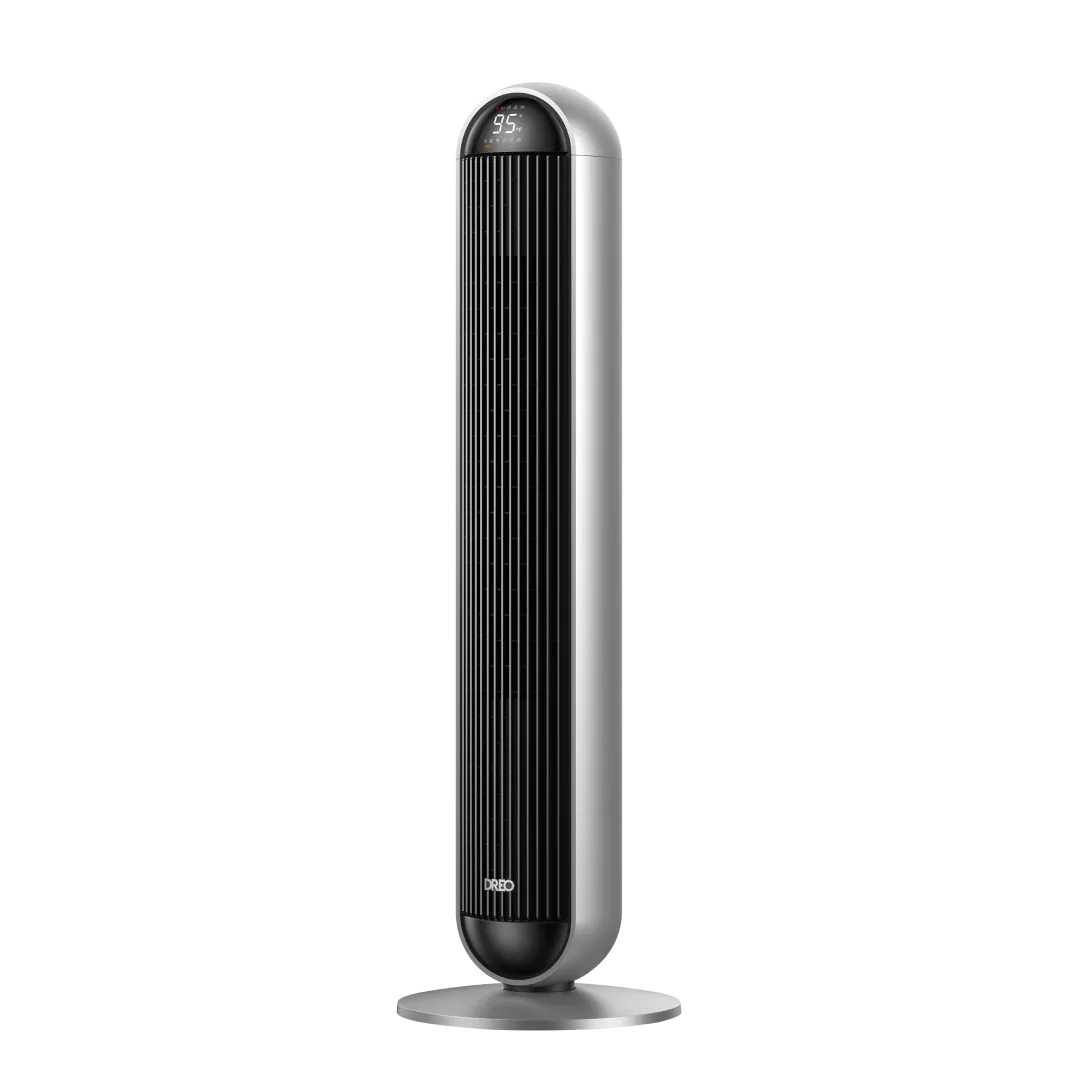





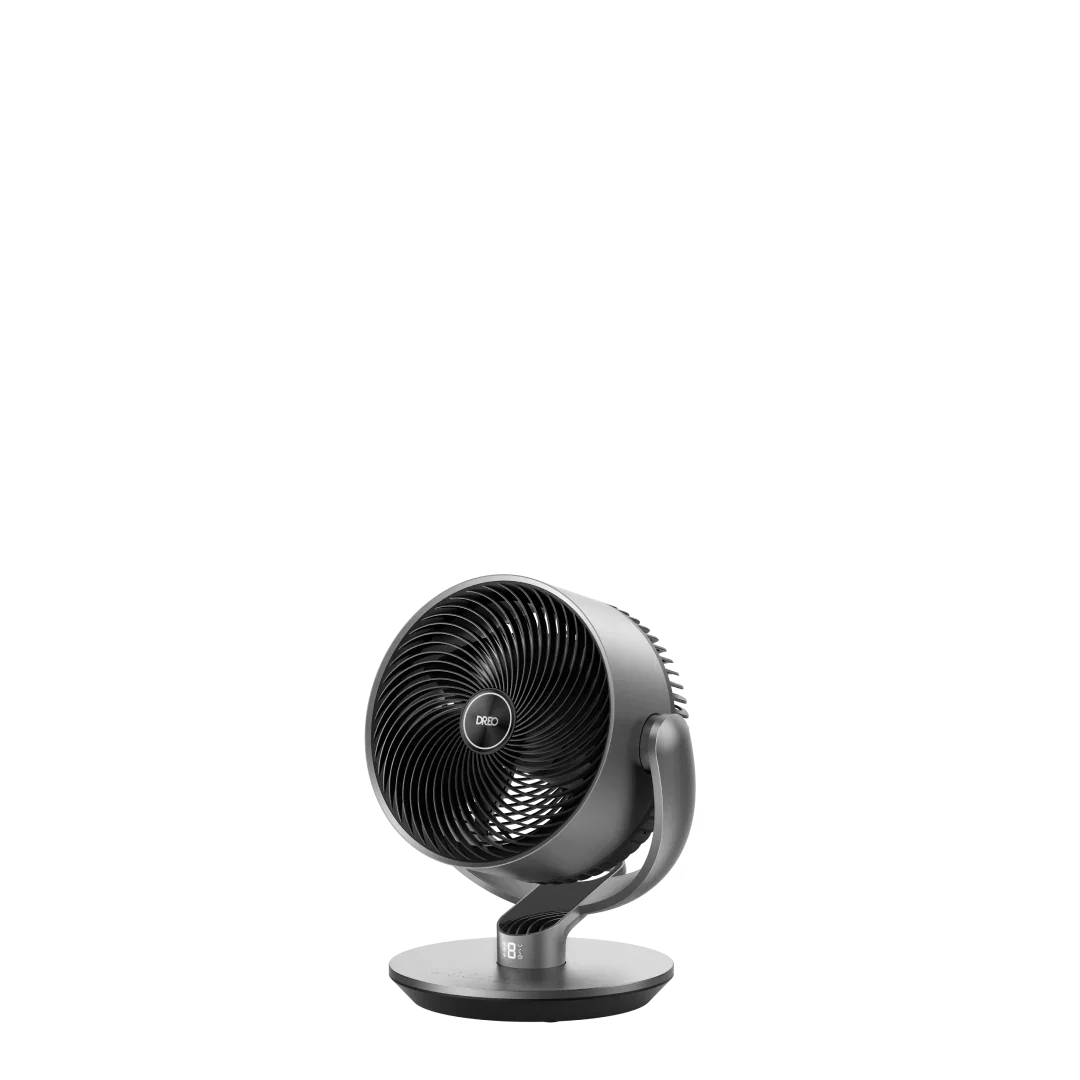
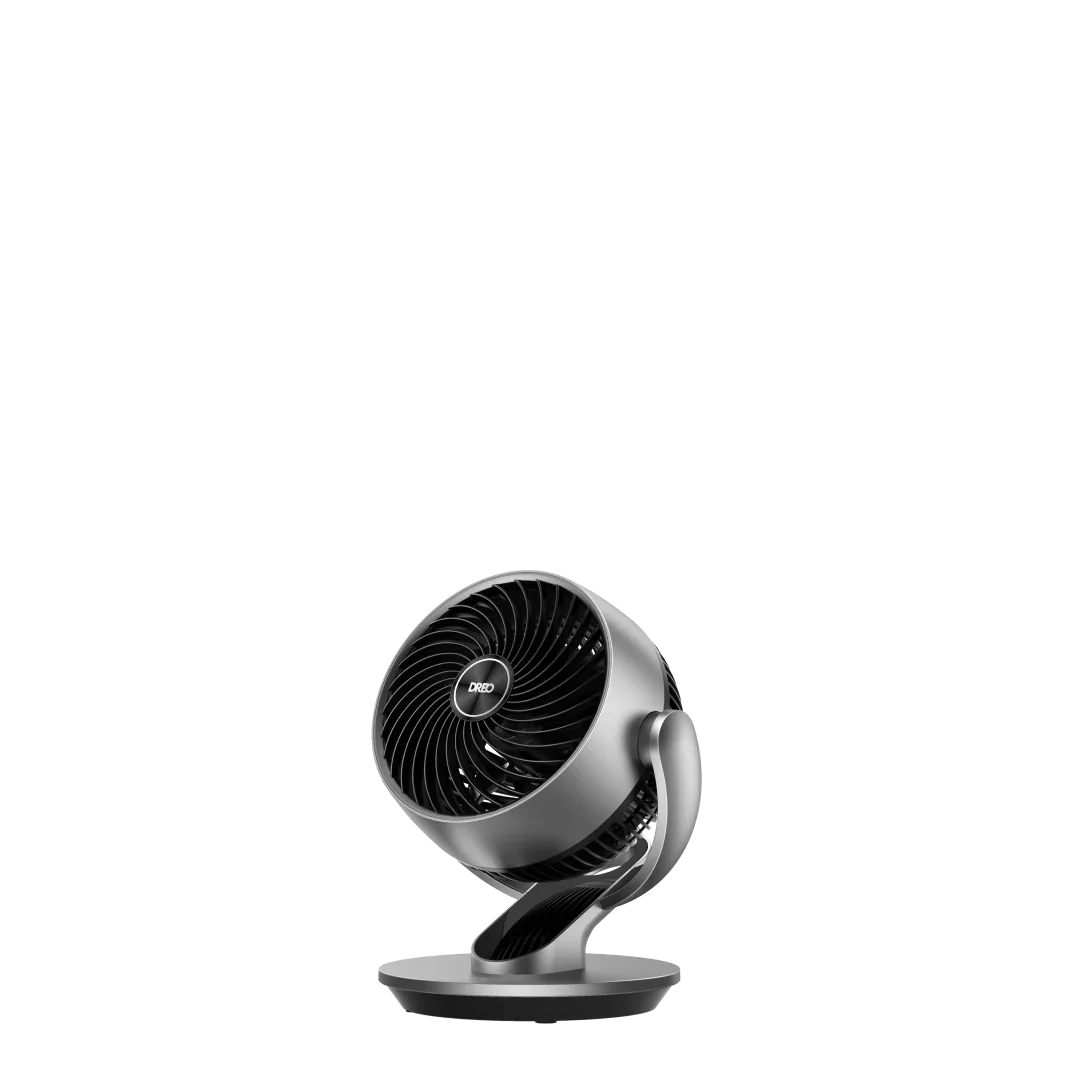

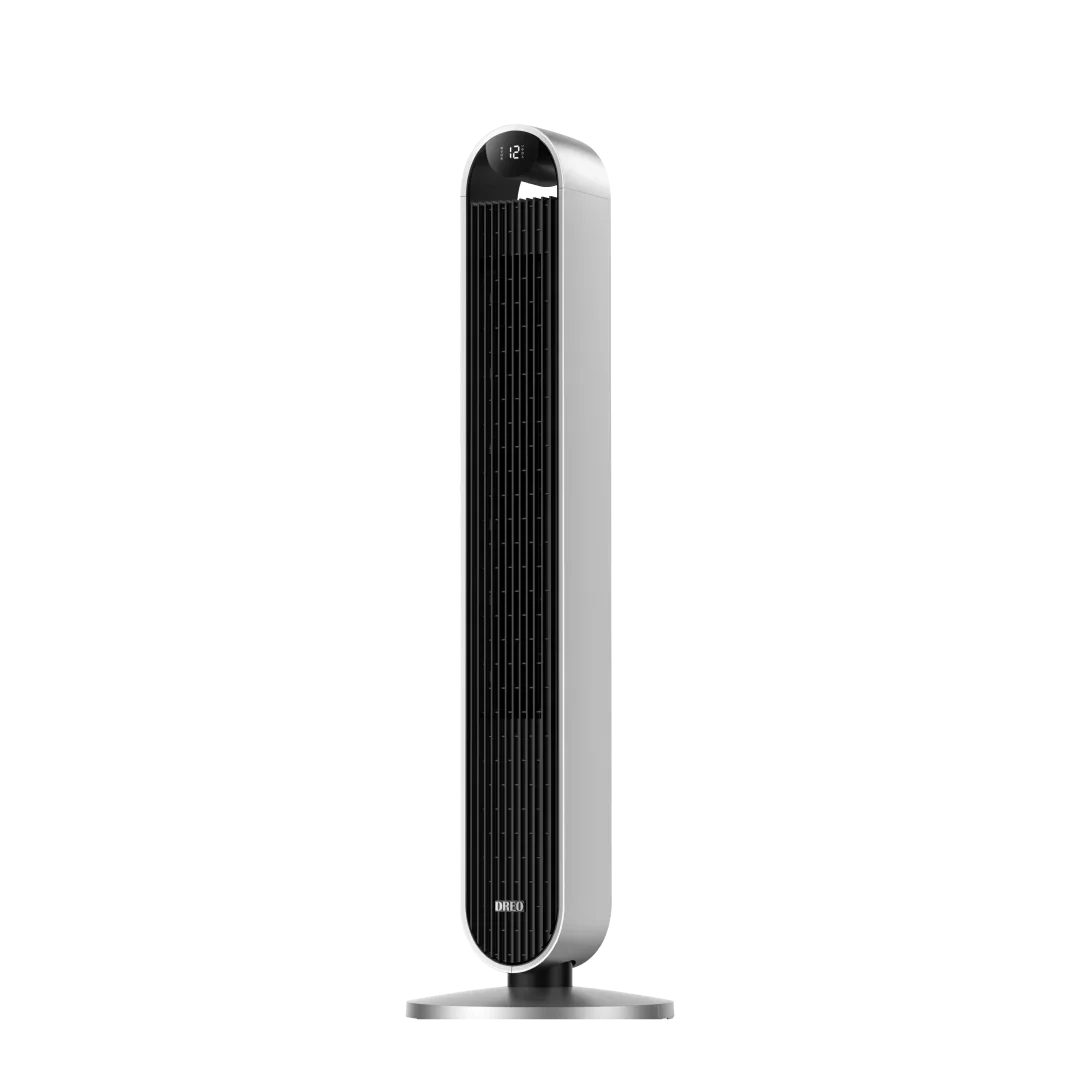
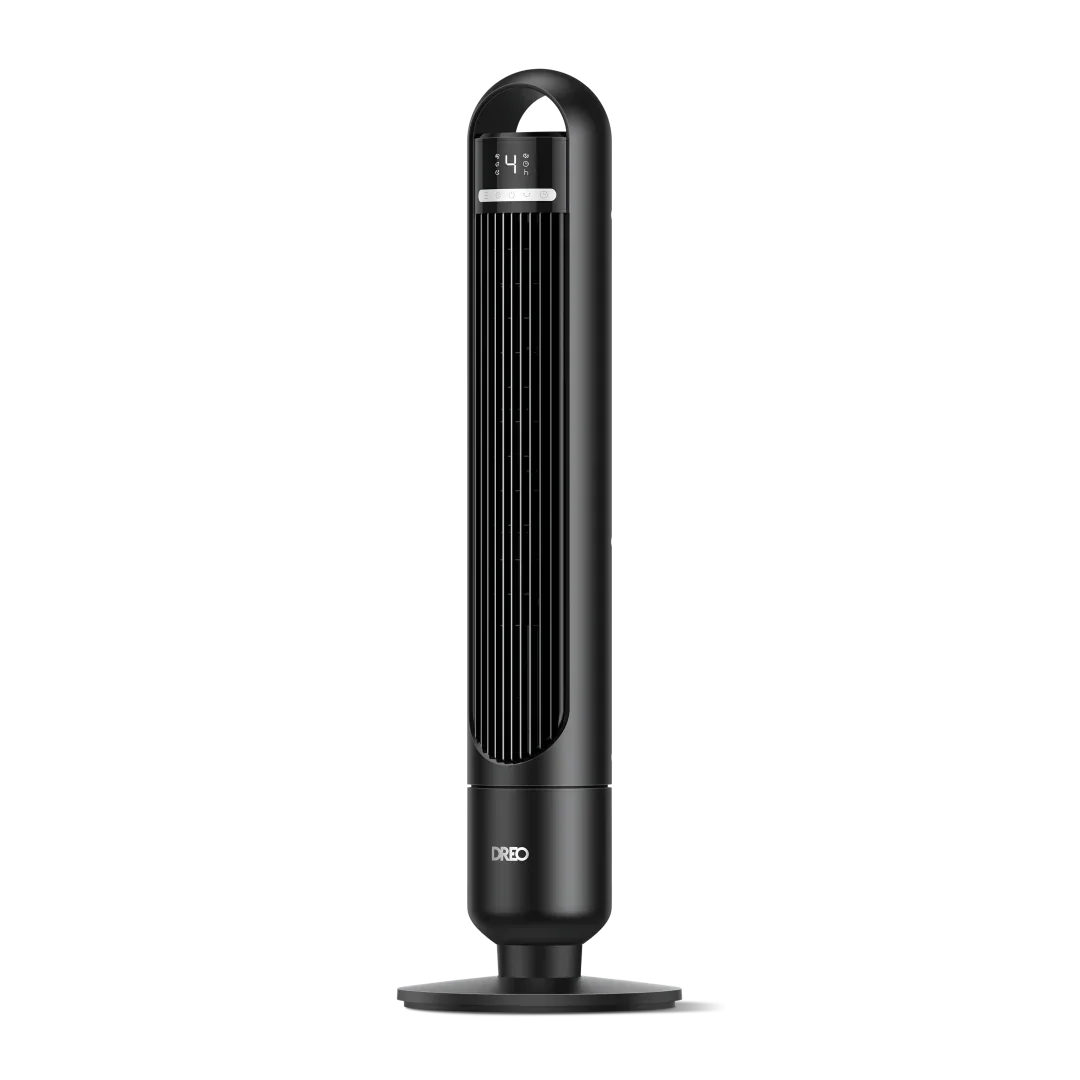
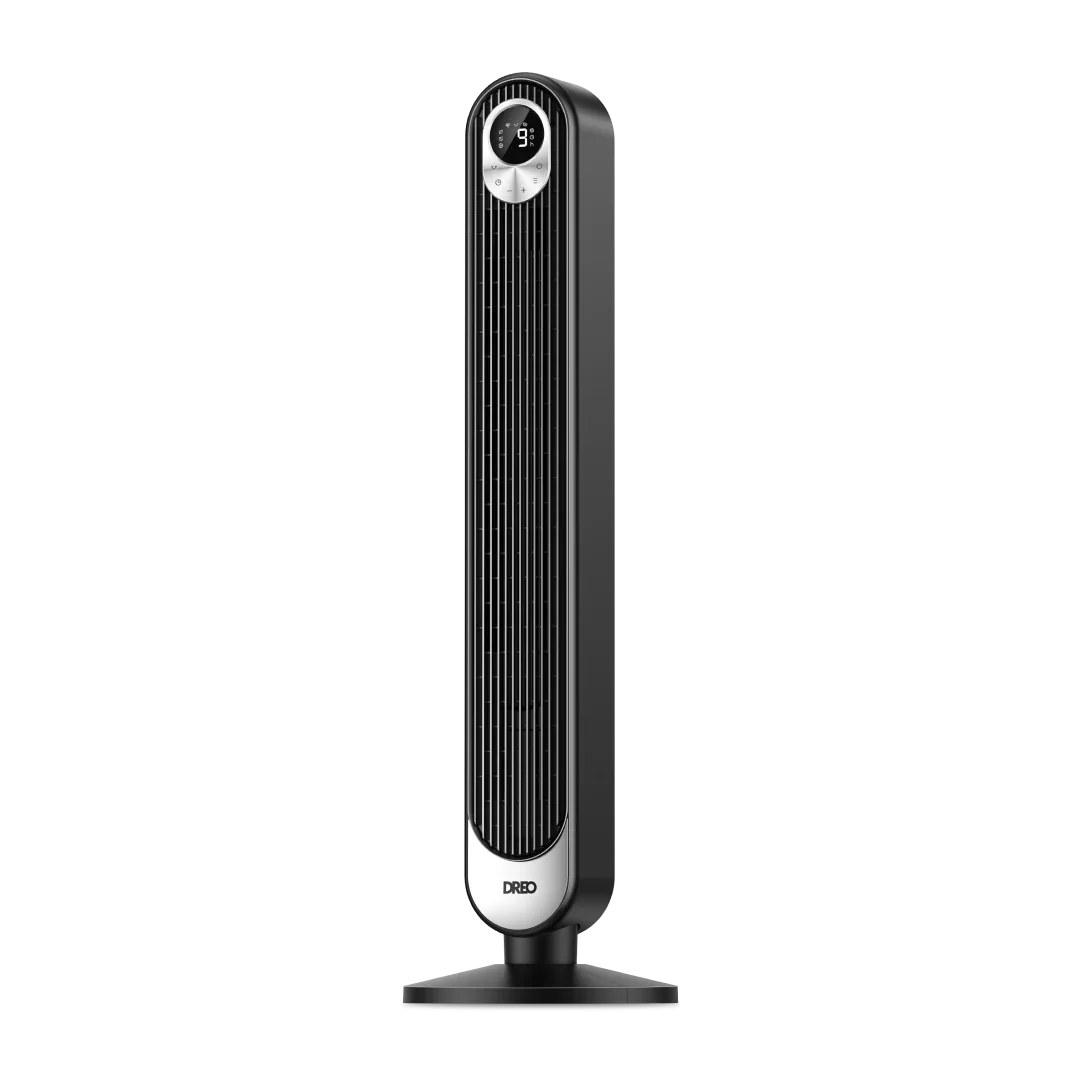




How DREO MotionSync™ Powers Responsive Airflow in the TurboPoly™ Fan 765S
The DREO TurboPoly™ Fan 765S reads motion in its remote and turns it into a live oscillation command, using a MEMS gyroscope, signal processing, and a motor that adjusts in real time.


A fan may seem like a simple appliance, but precise airflow depends on more than moving air from one side of a room to another. As home technology becomes more responsive, the real challenge is not simply creating airflow. It is controlling where that airflow goes, how quickly it responds, and how accurately it stays aligned with the intended direction.
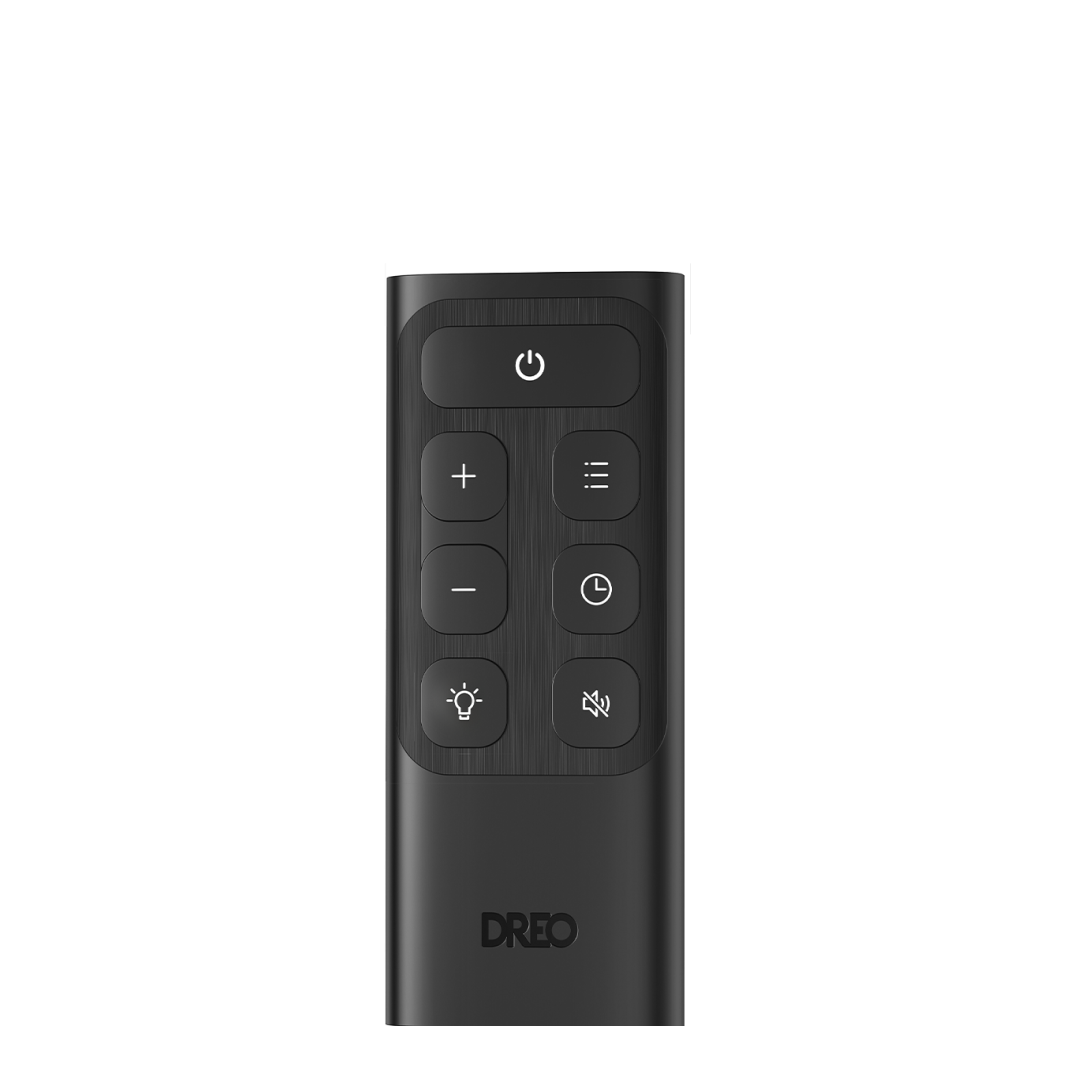
The DREO TurboPoly™ Fan 765S approaches that challenge through motion sensing. Its remote uses MEMS gyroscope technology to detect changes in angle and orientation. When the remote tilts or turns, the system interprets that movement and sends a directional command to the fan, allowing its oscillation angle to adjust in real time.

This connection between movement and airflow changes how directional control works. Instead of relying only on fixed oscillation settings, airflow direction can be guided through motion, while the system processes those inputs to maintain a smooth, stable, and precise response.
How Motion Becomes Airflow Control
At the center of the MotionSync™ system is a MEMS gyroscope. MEMS, short for microelectromechanical systems, makes it possible for extremely small sensors to measure motion and angular changes with high accuracy.
Inside the remote, the gyroscope works together with an accelerometer to form a six-axis sensing system. This combination can track pitch, yaw, and roll, giving the system a detailed picture of how the remote's orientation is changing.
In practical terms, the system can recognize when the remote turns or tilts and translate those orientation changes into directional input. Rather than sending only a single fixed command, the remote continuously provides updated motion data as its orientation changes. This gives the control system the information it needs to respond quickly and translate physical movement into a corresponding airflow direction.
When the intended direction changes, the system receives a new target and adjusts accordingly. The result is airflow control that feels more directly connected to physical movement.
Inside the Motion Control Architecture
Motion sensing is only the first part of the process. Detecting a movement is useful, but the system must also interpret that movement, translate it into a target direction, execute the adjustment, and continuously manage the response.
That is where the motion control architecture comes in. Traditional oscillation is generally designed to move through a predefined range. Once that range is selected, the fan continues following the programmed movement pattern.
The DREO TurboPoly™ Fan 765S takes a more responsive approach. Its control process continuously connects sensing, computation, and motor actuation. Movement is detected by the remote, processed by the controller, translated into a motor command, and continually updated as new directional input is received.

Instead of treating each adjustment as an isolated command, the system keeps the different stages of control connected throughout the interaction. This continuous cycle helps the fan respond more precisely to changing directional input.
The Sensing Layer: Reading Movement Clearly
The first stage begins in the motion-sensing remote. High-precision MEMS gyroscope chips, such as the Bosch BMI160 or InvenSense MPU6050 referenced in the control design, can measure angular movement across multiple axes.
As the remote changes orientation, the sensors record changes in its angle. That information is then transmitted to the fan as part of the directional command. Because the readings are continuous, the fan is not working from a single static instruction. It receives updated motion information as the orientation of the remote changes.
This gives the control system a clearer and more immediate understanding of the intended airflow direction.
The Control Layer: Turning Data Into a Clear Command
Sensor data is rarely perfectly clean. Even when the remote is not being intentionally redirected, small hand movements, vibrations, and tiny shifts can appear in the readings. If every minor variation triggered a response from the fan, its movement could feel overly sensitive or unstable.
To prevent that, a dedicated microcontroller processes the incoming sensor information before sending a command to the motor. The system uses methods such as Kalman filtering and complementary filtering to smooth sensor readings and reduce unwanted noise. These methods help distinguish meaningful directional input from small variations that do not require a response.
This step is essential because precision is not only about reacting quickly. It is also about knowing which movements are worth reacting to. By refining the sensor data before it reaches the motor, the system can produce cleaner, more deliberate, and more controlled adjustments.
The Actuation Layer: Making the Adjustment
Once the movement has been detected and processed, the fan needs to turn that information into physical motion. A DREO brushless DC motor receives the processed command and uses PWM control to manage speed, direction, and fine angle adjustments.
This allows changes in the remote's orientation to be translated into corresponding changes in the fan's direction with a high degree of control.
Rather than operating independently, the motor remains part of the same continuous control process. As directional input changes, the system can update the motor command accordingly, allowing the fan to stay responsive to the intended airflow direction.
This connection between sensing, processing, and actuation is what gives the system its more precise and coordinated response.
Bringing Airflow Into Everyday Use
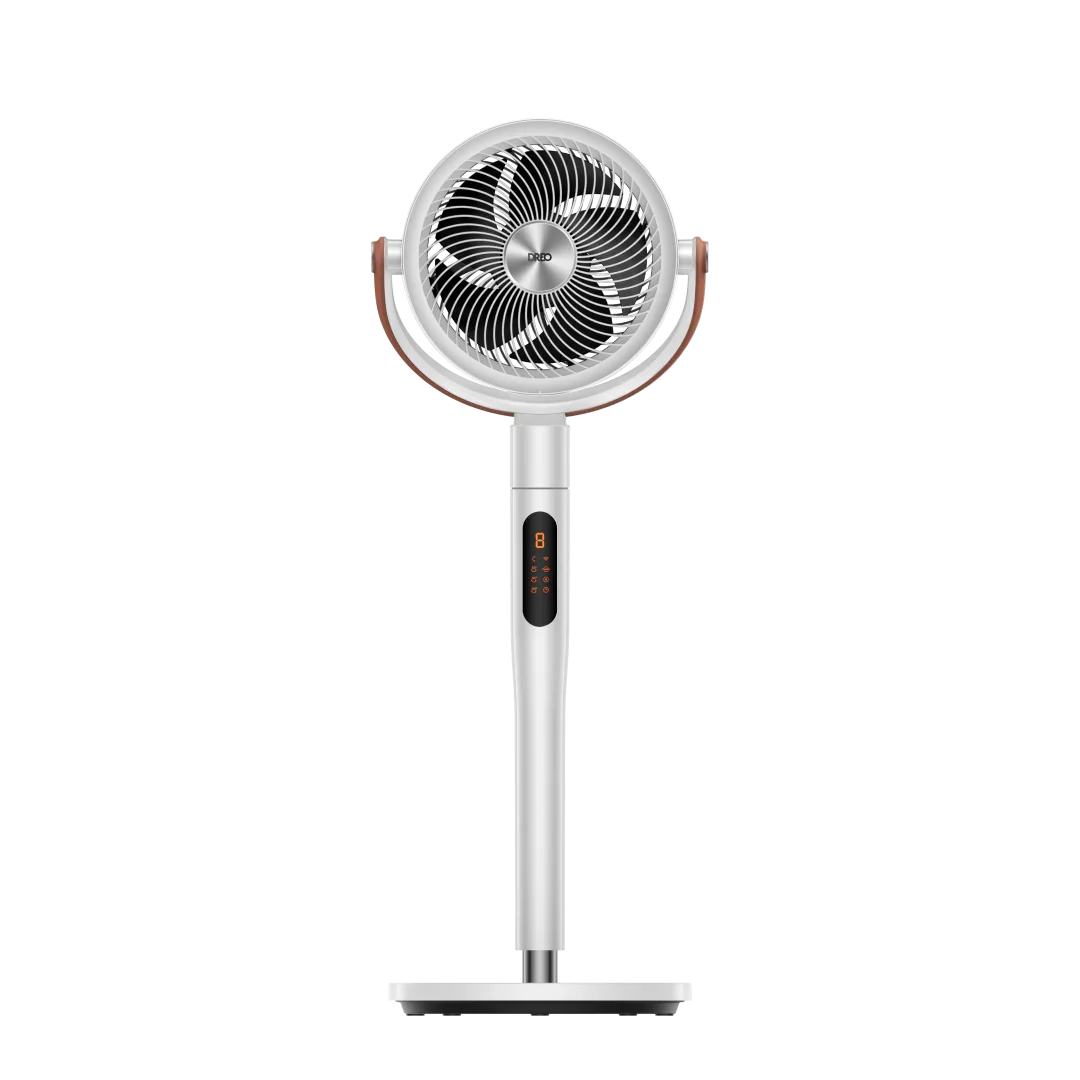
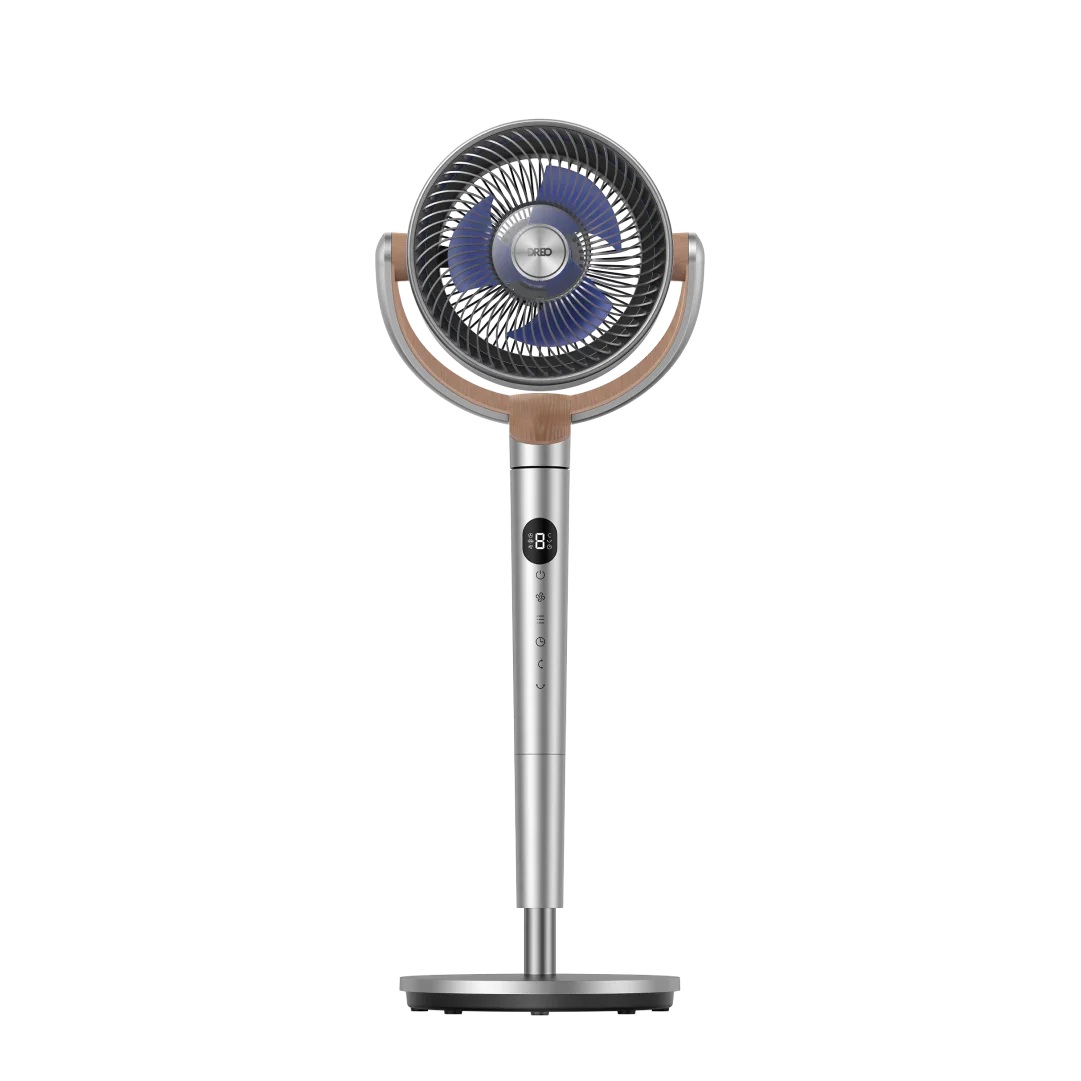
Beyond the control system itself, the TurboPoly™ Fan 765S is designed to make airflow easier to adapt to different rooms, positions, and everyday routines.
Dual independent motors provide up to 150° horizontal and 100° vertical movement, helping direct airflow across a wider area or toward a more specific position. With up to 1500 CFM1 of airflow and a reach of up to 120 ft1, it can also support broader air circulation across larger spaces and help reduce uneven temperatures around the room.
The 2-in-1 design allows the same fan to move between floor and tabletop setups, making it easier to bring airflow closer when working at a desk or extend it across a living room or bedroom.
Twelve speed settings and six modes make it easier to adjust airflow as conditions change throughout the day. Control through the panel, remote, app, or voice also means adjustments can be made in whichever way is most convenient at the time.
Final Takeaway
The DREO TurboPoly™ Fan 765S goes beyond simply moving air around a room. Its combination of motion sensing, signal processing, and precise motor control allows airflow to be directed and adjusted with greater responsiveness, turning basic fan movement into a more coordinated airflow experience.
Explore more DREO TurboPoly™ Fans to see how advanced airflow design can support different spaces and everyday needs.
1Tested by DREO lab, using DR-HPF015S at the highest fan speed settings. Actual results may vary.
Recommended Articles

TurboPoly™ Fan
What Is Matter and How Does It Work?

Space Heater
DREO Space Heater AutoShift™ 360° Technology: Engineering Heat Around the Room

Ceiling Fans
RGBIC Lighting in DREO Ceiling Fans: Turning Everyday Airflow into a Smarter Home Experience

Humidifier
DREO Mistwave Technology: Redefining How Humidifiers Perform