













How to Make Your Patio Feel Cooler Without Outdoor AC
A hot patio doesn't need outdoor AC to feel usable again. Add shade where people sit, keep the air moving, and cool the room next to it for a quick break from the heat.


A patio can be the best seat in the house during summer, but only when it feels comfortable enough to enjoy. Once sunlight settles into the flooring, furniture heats up, and the air stops moving, even a beautiful outdoor space can start to feel difficult to use.
Installing outdoor AC is not realistic for most patios, and in many homes, it is not necessary. A smarter approach is to reduce direct heat outside, improve airflow, choose cooler materials, and keep the indoor room connected to your patio comfortably cooled. This gives you a nearby place to step in, cool down, and return outside without turning your patio into a construction project.
Start With the Room Connected to Your Patio
A patio rarely works as a completely separate space. People move in and out for drinks, snacks, and a quick break from the heat, so the room connected to your patio plays an important role in the overall comfort.
Since portable air conditioners are designed for indoor use, the smarter approach is to cool the room next to your outdoor space instead of trying to cool open air. Keep that area shaded during the hottest part of the day by closing blinds, limiting indoor heat from cooking or appliances, and keeping doors closed when possible.
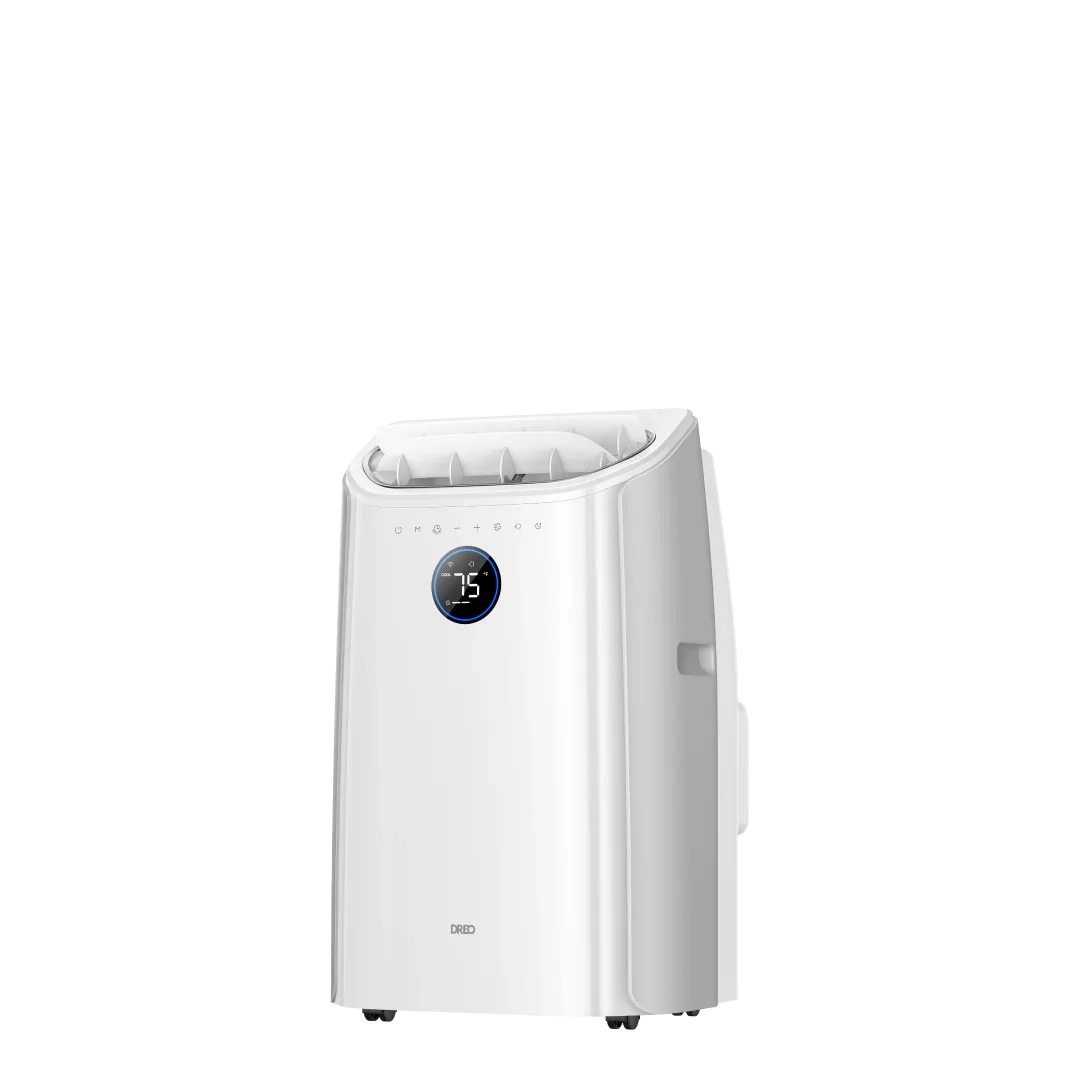
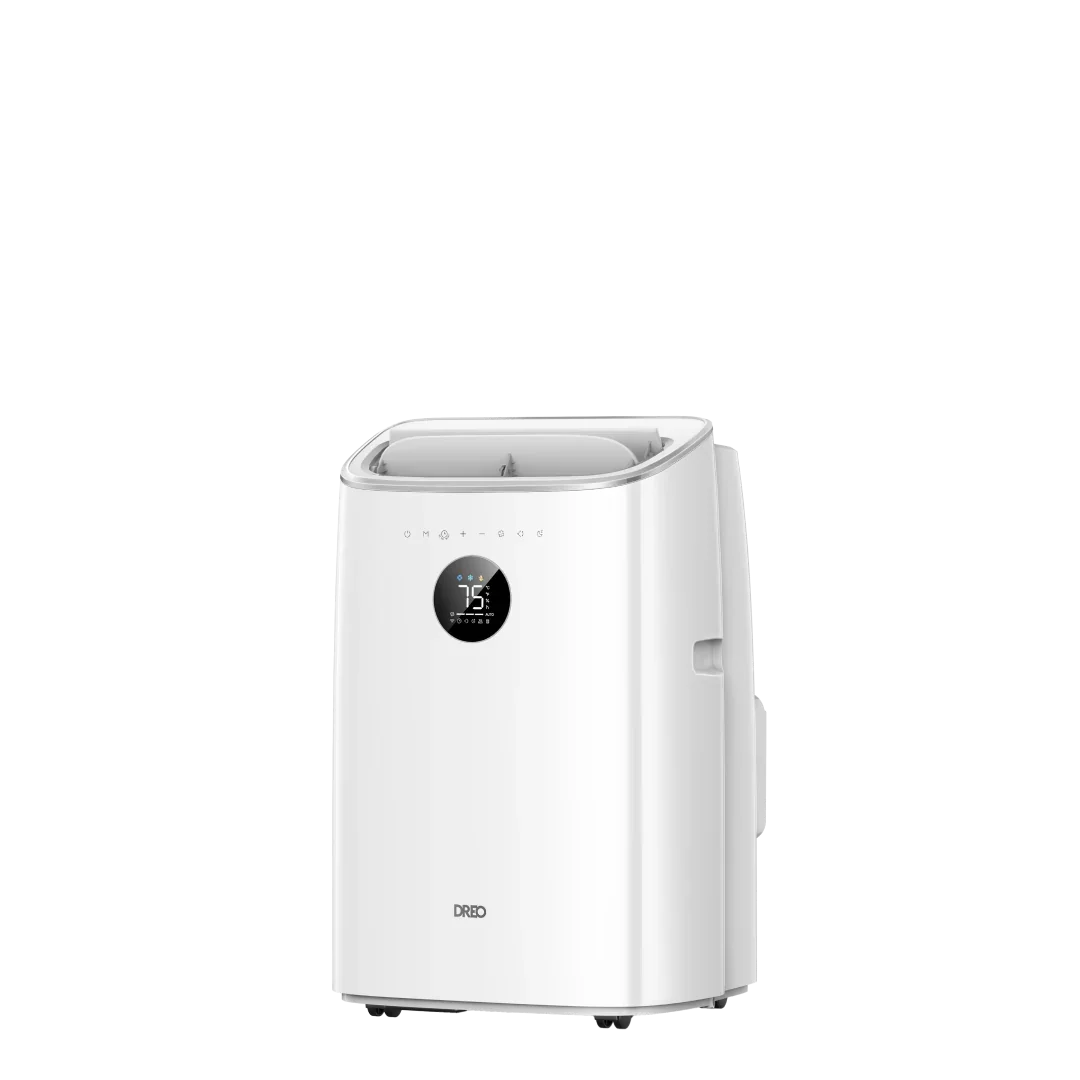
For a larger living room, dining area, or indoor lounge beside the patio, the DREO Portable Air Conditioner 515S can help create a comfortable cooling retreat. With 12,000 BTU ASHRAE cooling capacity and airflow reaching up to 14 feet, it is designed for more generously sized indoor spaces. You can adjust the temperature from 61°F to 86°F, while smart app and voice controls make it easy to manage comfort before you step back inside.

Add Shade Where People Actually Sit
Shade can make a patio feel cooler quickly, especially when it covers the places you use most, such as the dining table, reading chair, or outdoor sofa.
Use a patio umbrella, sail shade, pergola canopy, retractable awning, or outdoor curtains to block direct sunlight before it heats up the space. If your patio gets strong afternoon sun, add side shade as well, since low sunlight can warm furniture fast.
Light colored shade fabrics are a smart choice because they reflect more sunlight and help the space feel open.
DREO Pro Tip: Watch your patio for one afternoon before adding shade. The hottest spot at noon may not be the hottest spot at 4 p.m.
Build One Comfortable Cooling Zone
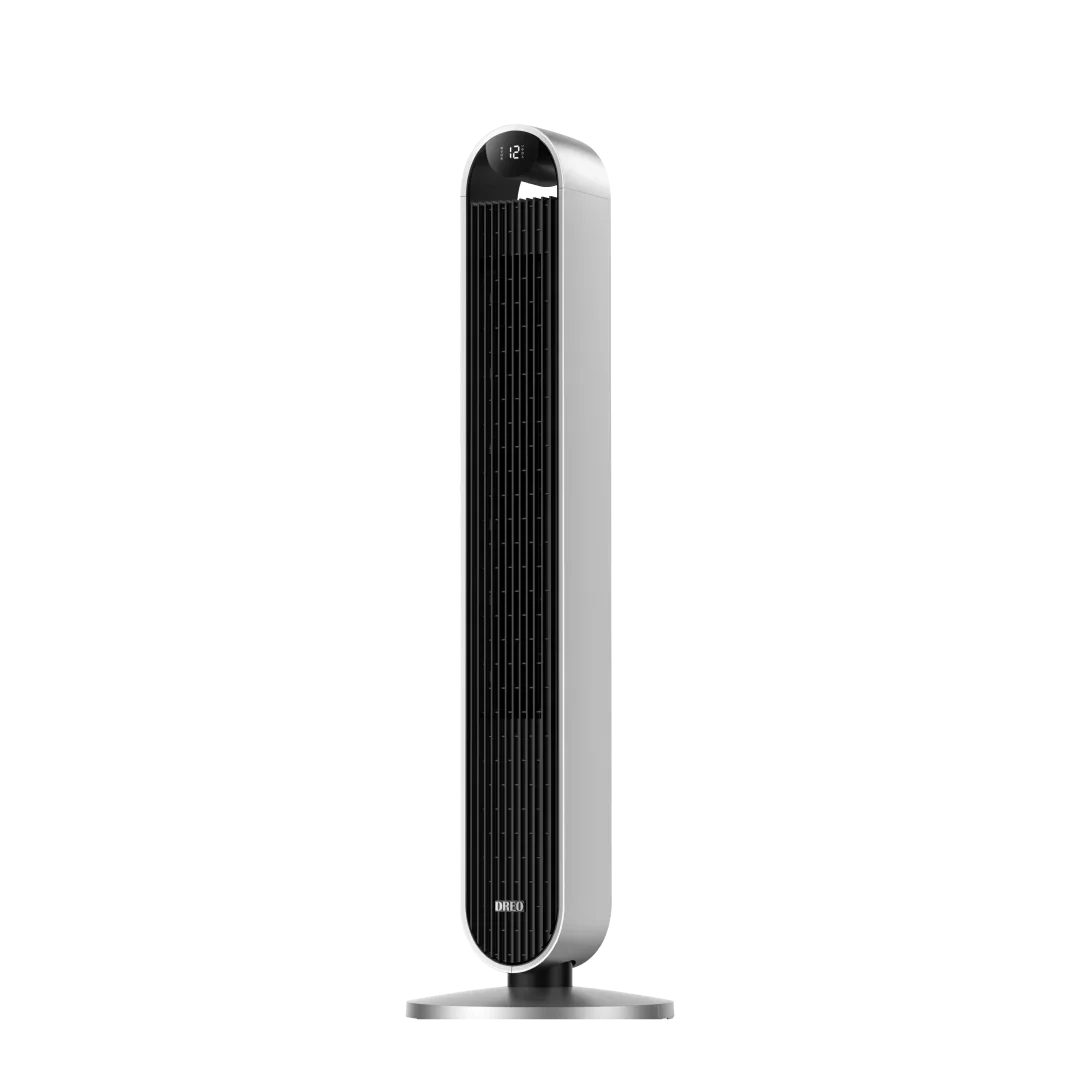
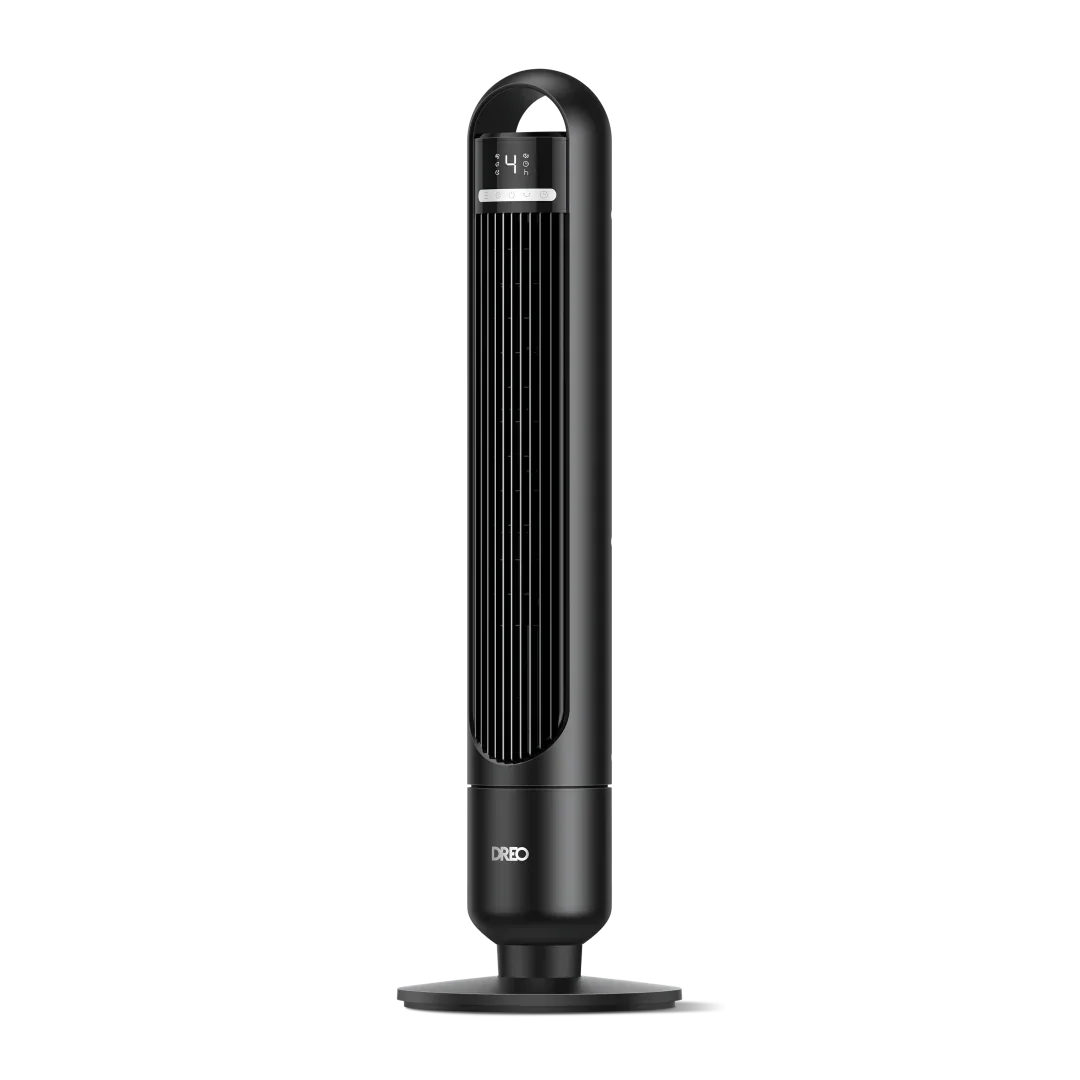
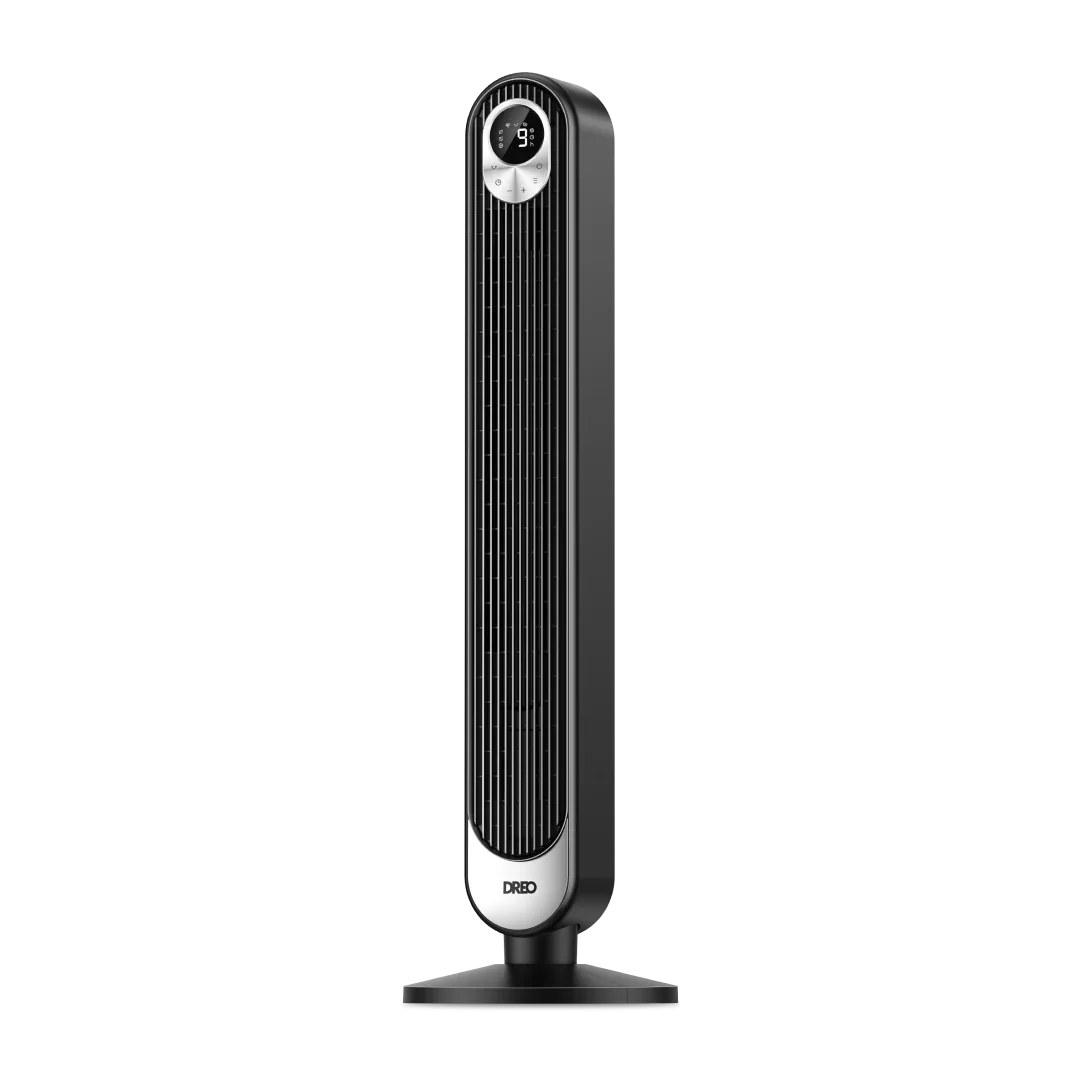
You do not need to cool every corner of your patio equally. Start with the most naturally shaded spot, then add your main seating, a breathable outdoor rug, light cushions, and a fan angled across the area.
If the patio connects to a smaller bedroom, office, enclosed porch, or compact sitting area, the DREO Portable Air Conditioner 319S can support that indoor break zone. With 10,000 BTU ASHRAE cooling and airflow coverage up to 14 feet, it is designed for smaller indoor spaces where you can step in and cool down quickly.
Quiet operation down to 45 dB, smooth caster wheels, and an easy window kit setup also make it practical to move and install where you need it most.
Improve Airflow Across the Seating Area
Moving air helps your patio feel cooler, even when the temperature does not drop. Arrange furniture so natural breezes can pass through the space, and avoid blocking airflow with tall storage boxes, dense planters, or large privacy screens.
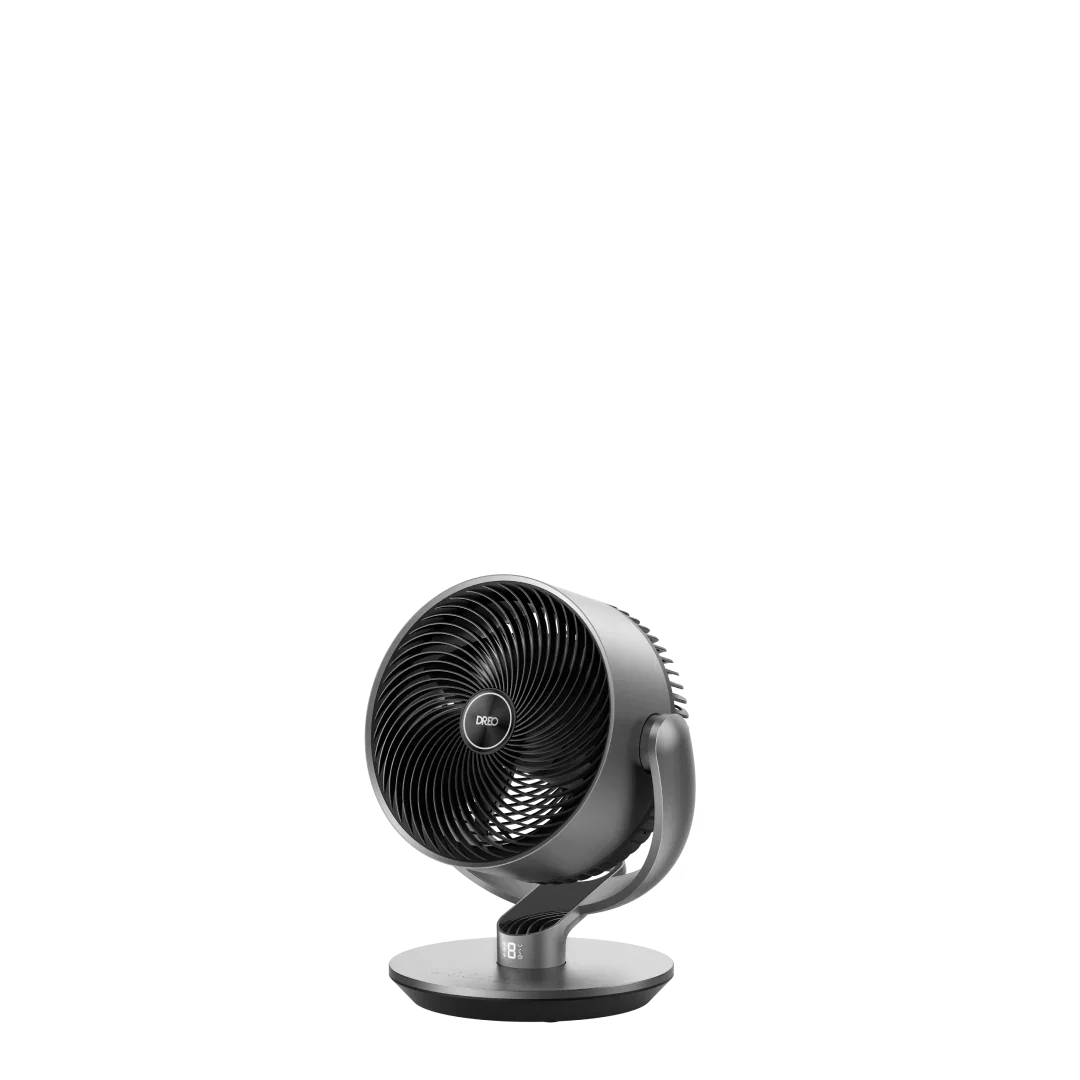
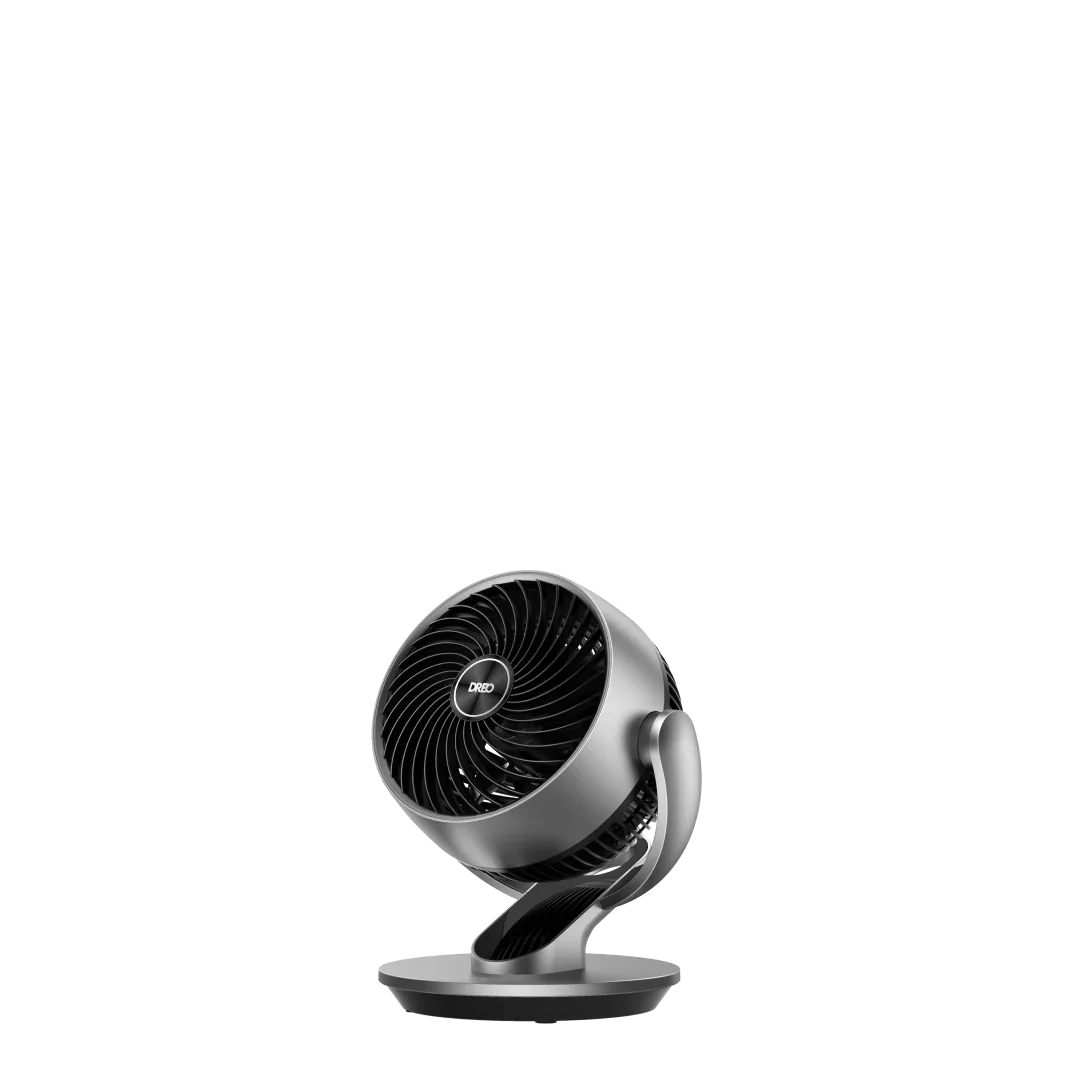
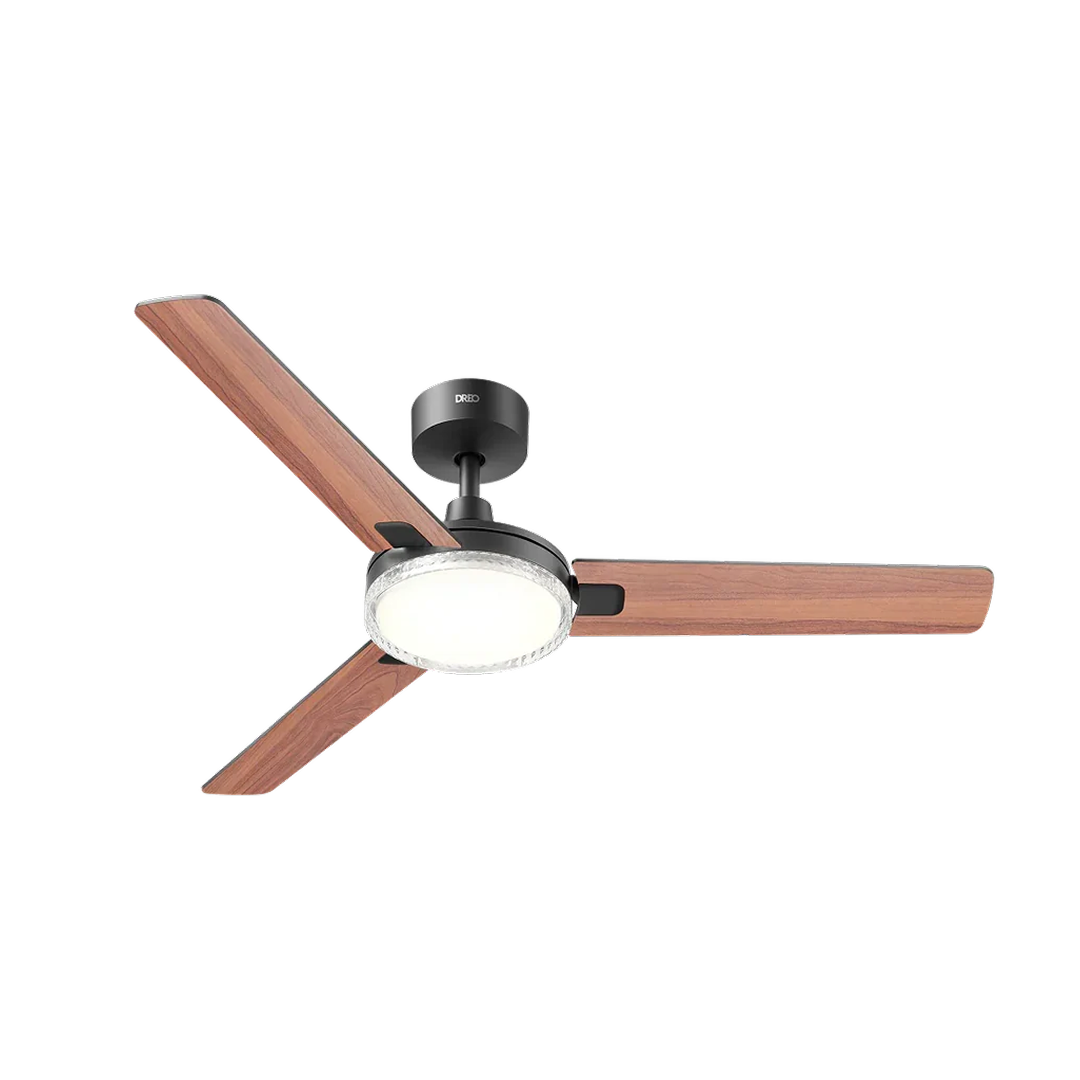
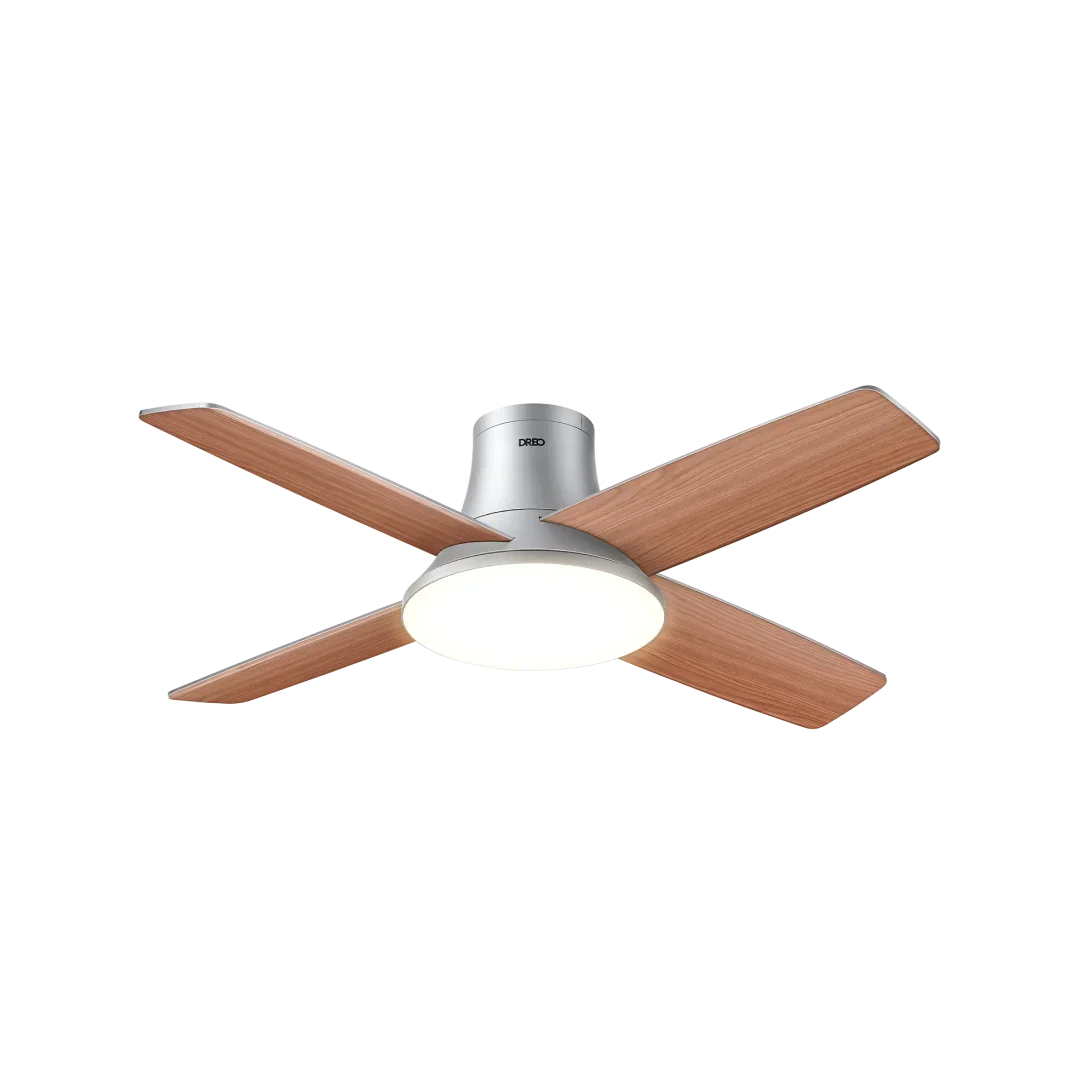
If you use outdoor fans, angle them across the seating area instead of pointing them at just one seat. For wider patios, two fans placed in different corners can help keep air moving more evenly.
Keep Patio Flooring From Radiating Heat
Patio floors can hold heat long after the sun moves away. Concrete, brick, stone, tile, and dark decking absorb sunlight during the day, then release warmth back into the space later.
To make the seating area more comfortable, add a breathable outdoor rug in a lighter color. Light cushion covers, woven textures, and breathable fabrics can also help reduce the heat you feel from furniture.
Choose Lighter, Cooler Patio Materials
Small material swaps can make a patio feel fresher in summer. Light colored cushions, breathable upholstery, wood, wicker, rattan, and mesh seating usually feel more comfortable than dark metal or thick synthetic fabrics.
If you are not replacing furniture, try pale slipcovers, washable cushion covers, or a light tablecloth. Also keep the layout simple, since too much furniture can block airflow and make the patio feel warmer.
Use Plants to Soften Sun and Heat
Plants can help make a patio feel cooler and more inviting. Large leafy plants reduce glare, create small pockets of shade, and soften hard surfaces like walls, railings, and concrete.
Use potted plants near seating areas, or add climbing plants on a trellis for gentle shade. Because potted plants are easy to move, you can adjust them as the sun changes throughout the day.
Pay Attention to Humidity
Humidity can make summer heat feel heavier, especially after rain or when airflow is limited. For an enclosed porch, sunroom, or indoor sitting area connected to the patio, reducing moisture can make the space feel more comfortable.

The DREO Portable Air Conditioner 543S offers 11,000 BTU ASHRAE cooling and powerful moisture control to help the adjacent room feel cooler and drier. Its true drainage-free system reduces the need for drainage in environments under 90% humidity, while quiet operation down to 46 dB keeps the indoor reset zone comfortable for relaxing, working, or cooling down.
Use the Patio at the Right Time of Day
Sometimes the easiest cooling solution is simply better timing. Morning and evening are usually the most comfortable times to enjoy a patio, while midafternoon tends to feel the hottest.
Use the space for coffee, light meals, reading, or stretching earlier in the day. Save longer dinners and casual gatherings for evening, when the sun is lower and patio surfaces have had time to cool. During the hottest hours, keep the connected indoor room shaded and cooled so it is ready whenever you need a break from the heat.
Final Takeaway
Making your patio feel cooler does not mean installing outdoor AC. With better shade, smoother airflow, cooler surfaces, and a comfortable indoor room nearby, your patio can feel easier to enjoy all summer.
Create a cooler place to step into between outdoor moments with a DREO portable air conditioner, and make your patio routine feel more relaxed from inside to outside.


