









What Size Ceiling Fan Is Best for a Bedroom?


Choosing the right ceiling fan size for a room starts with understanding the room itself. A fan that is too small may not circulate enough air, while one that is too large can feel overpowering in a space meant for rest. To make the right choice, it is important to consider the room's square footage, ceiling height, and how the room is used on a daily basis. A well-sized ceiling fan should provide steady airflow, operate quietly, and complement the room's lighting and overall comfort without overwhelming the space.
Begin With the Room's Square Footage
The first step in choosing the right ceiling fan is measuring the room. To find square footage, multiply the length by the width of the room. For example, a room that is 11 feet by 13 feet equals 143 square feet.
Once you have that number, fan sizing becomes much more straightforward. A general guideline looks like this:
-
Up to 80 square feet: 29 to 39 inch fan
-
100 to 200 square feet: 42 to 52 inch fan
-
200 to 400 square feet: 56 inch fan or larger
Most standard rooms fall into the 100 to 200 square foot range, which means a 42 to 52 inch DREO ceiling fan is often the most appropriate choice. Larger primary rooms may need a 56 inch fan for better coverage, especially if the room has an open layout or high sun exposure. Smaller guest rooms, children's rooms, or compact apartments are usually better served by a more modest blade span.
The goal is balanced airflow. A fan that is too small may leave the room feeling stagnant, while one that is too large can create more wind than comfort.
Ceiling Height Matters Just as Much
Square footage is only part of the equation. Ceiling height also influences how well a fan performs in a room.
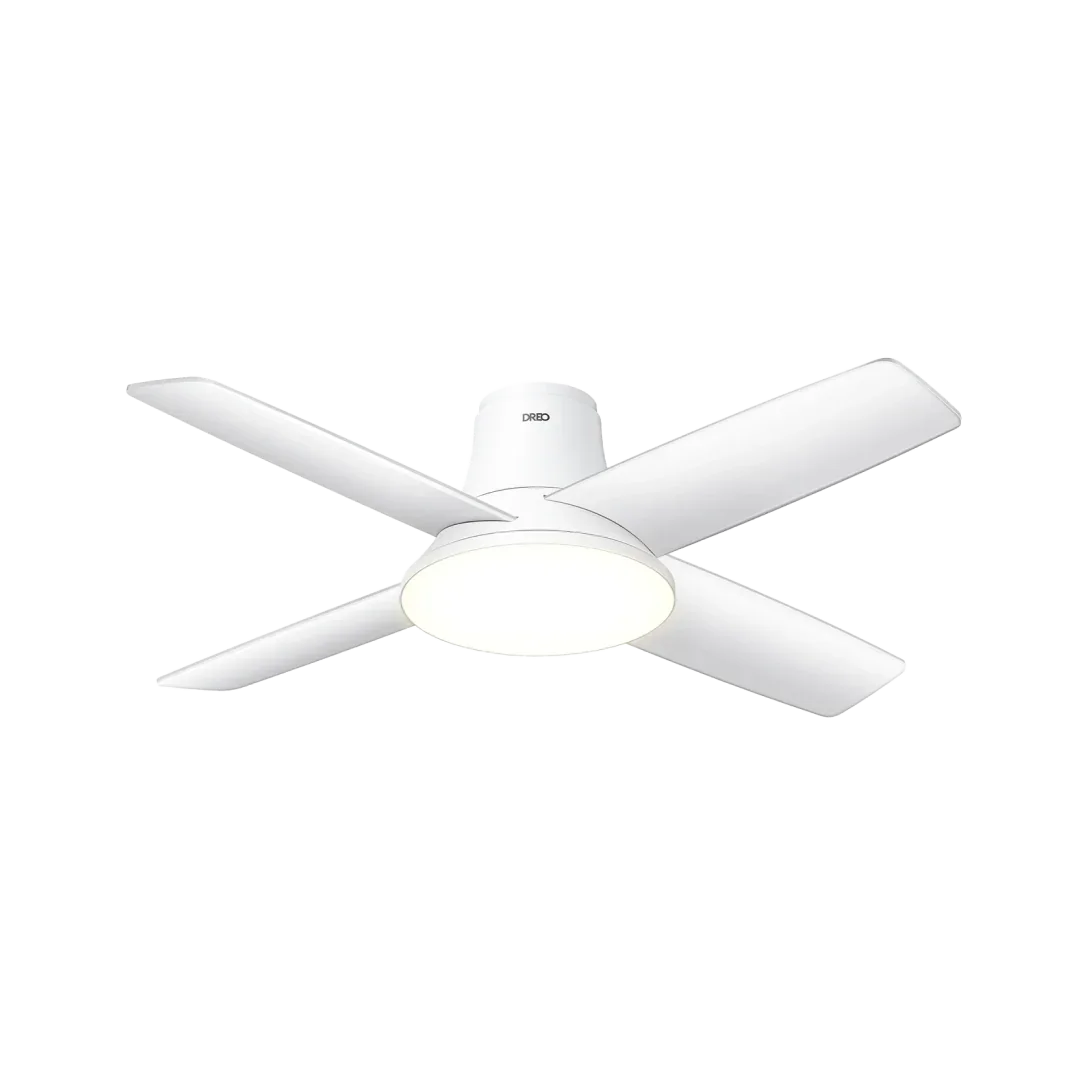
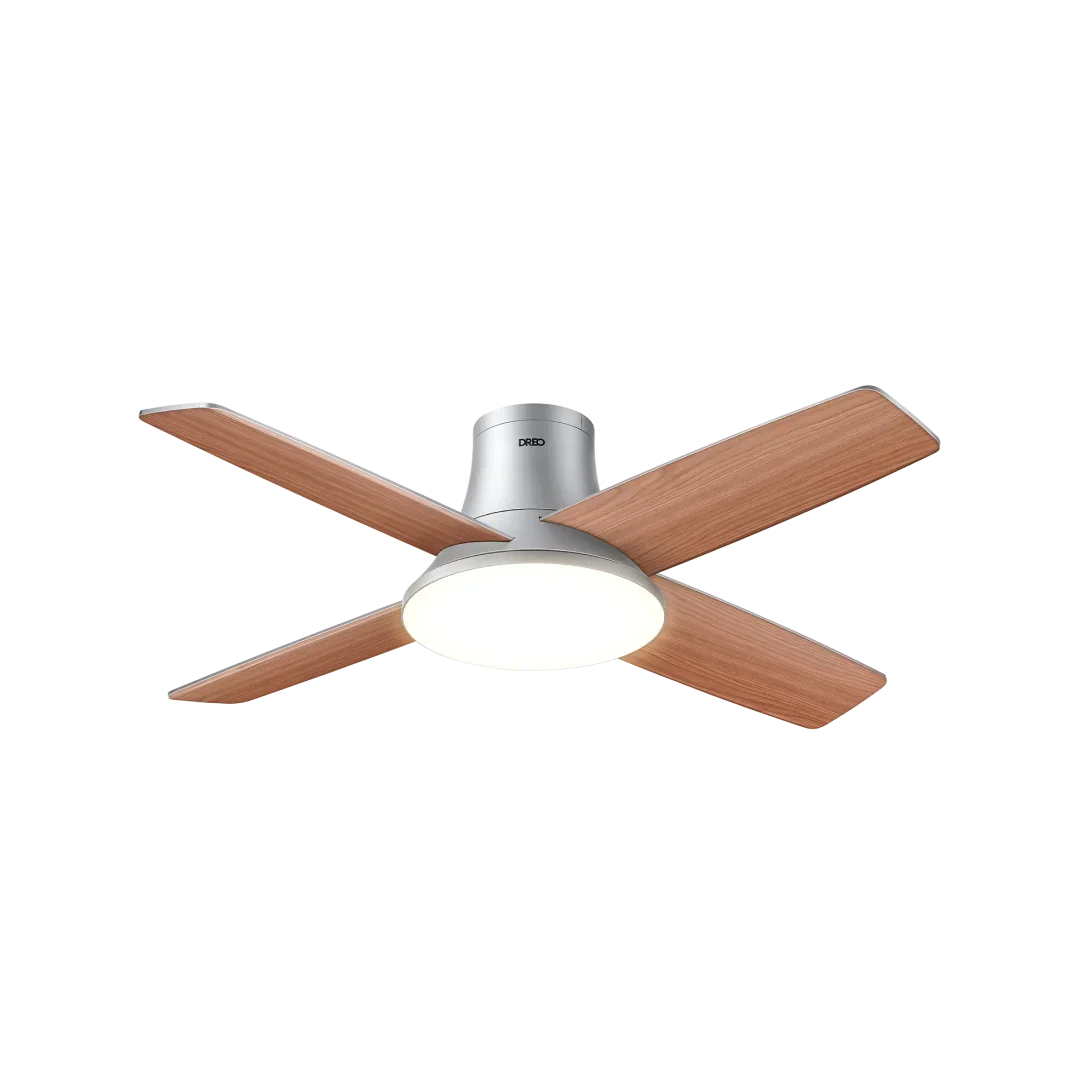
For rooms with standard 8 foot ceilings, low profile or flush mount ceiling fans are usually the best option. They provide the necessary clearance while keeping the fan close enough to the ceiling to fit comfortably within the space. This is especially important in rooms, where it should feel restful and visually uncluttered.
A flush mount model such as the DREO Ceiling Fan 513 works well in this kind of setting. Its low profile design makes it a natural fit for bedrooms with conventional ceiling heights, while the built-in light adds practical function without requiring a separate overhead fixture. It also offers six brightness levels and five light tones, which helps the room shift easily from bright daytime use to a softer evening atmosphere.

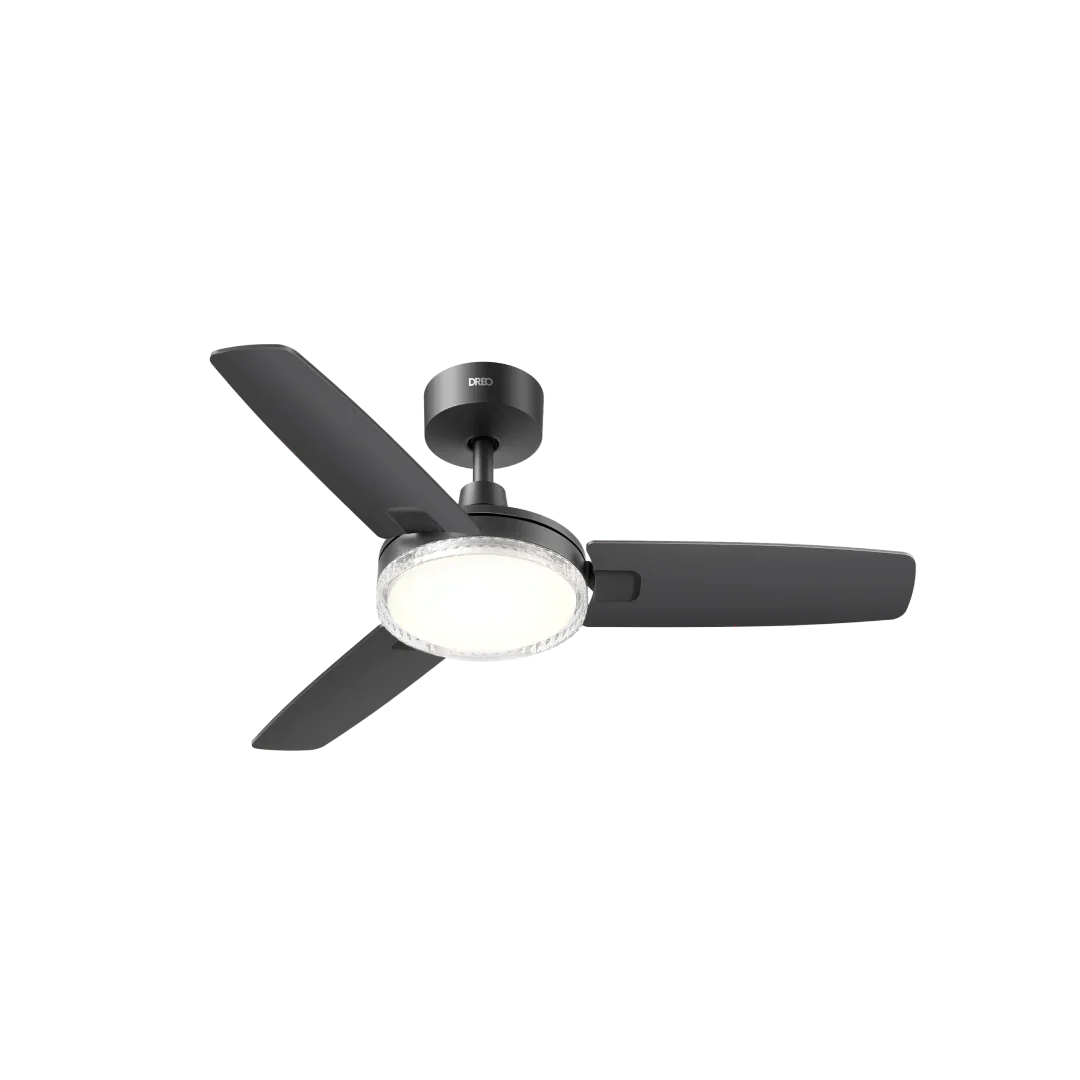
For bedrooms with ceilings above 9 feet, a fan with a downrod is usually the better choice because it positions the blades closer to the ideal height for effective air circulation. In this case, the DREO Ceiling Fan 521 is a practical option. It includes two downrod choices, 4 inches and 6 inches, to help suit different ceiling heights. It also delivers airflow up to 5673 CFM*, giving larger rooms stronger air movement without adding unnecessary noise, since it operates at less than 43 dB** even at higher speeds.

Match the Fan to the Way the Bedroom Is Used
Bedrooms are not all used in the same way. Some are compact and primarily used for sleeping. Others serve as reading spaces, dressing areas, work-from-home corners, or primary suites with sitting areas. That is why the best ceiling fan is not simply the one that fits the measurements. It is the one that fits the room's routine.
If your bedroom is used mainly for sleeping and relaxing, quiet performance should be a priority. If it also serves as a place where you read, get ready in the morning, or work occasionally, lighting and control options become more important.
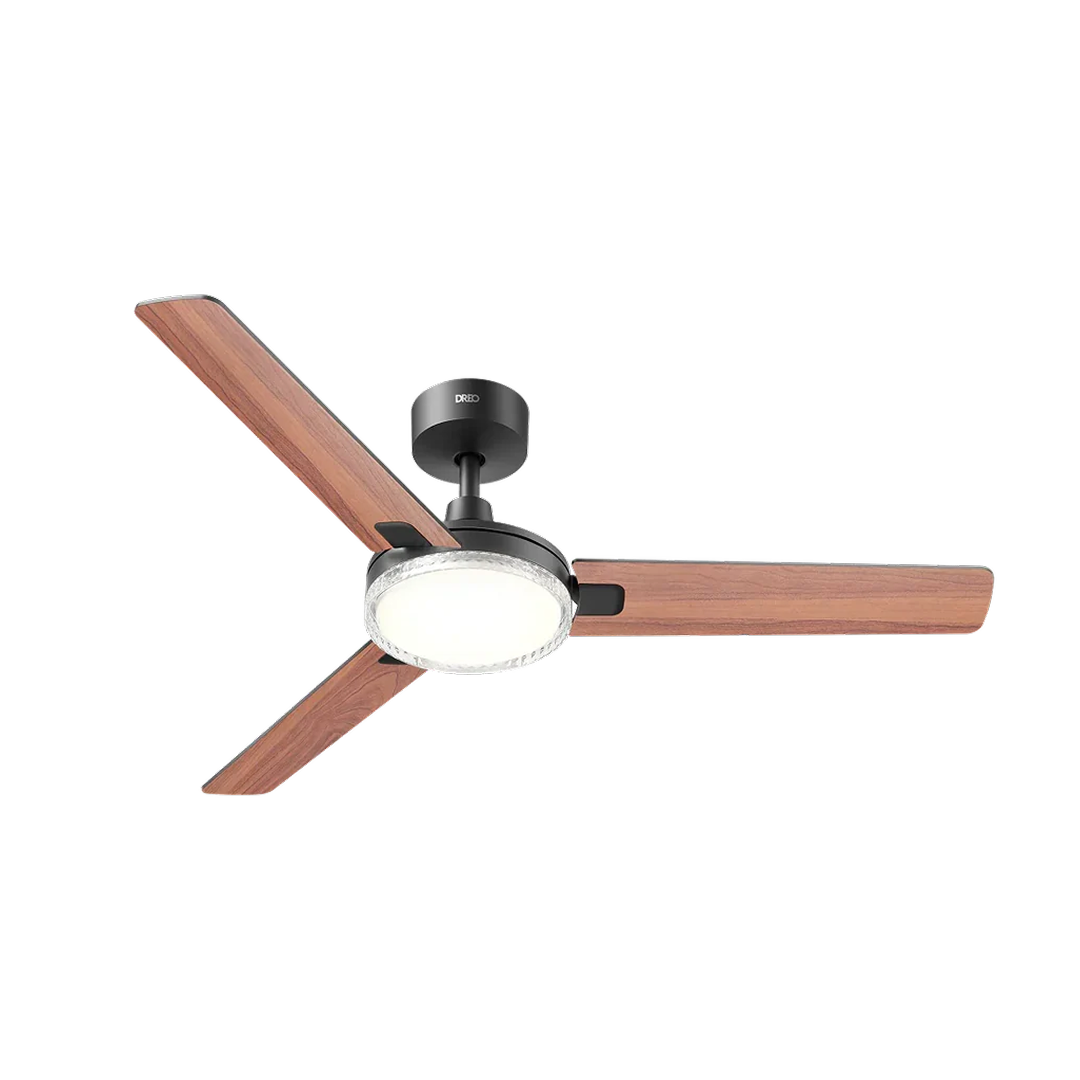
For bedrooms where flexibility is important, the DREO Ceiling Fan 334S offers a well-rounded balance of performance and convenience.With airflow up to 5189 CFM* and whisper-quiet operation, it provides strong circulation without disrupting a restful environment. Smart controls through the DREO app, Alexa, and Google Home also make it easy to adjust the fan speed, lighting, or timer without getting up. Its 2400 lumen*** lighting system, dimmable from 5% to 100%, adds another layer of versatility, helping the room transition more naturally from daytime function to evening comfort.

Why Airflow Should Be Considered Carefully
Many people focus on blade span alone, but airflow is equally important. A bedroom does not need the same kind of air movement as a large living room or open-concept family area. The objective is not maximum wind output. It is consistent, comfortable circulation.
That said, larger bedrooms do need stronger airflow to avoid hot spots or uneven comfort. In those cases, a more powerful model may be the better choice.
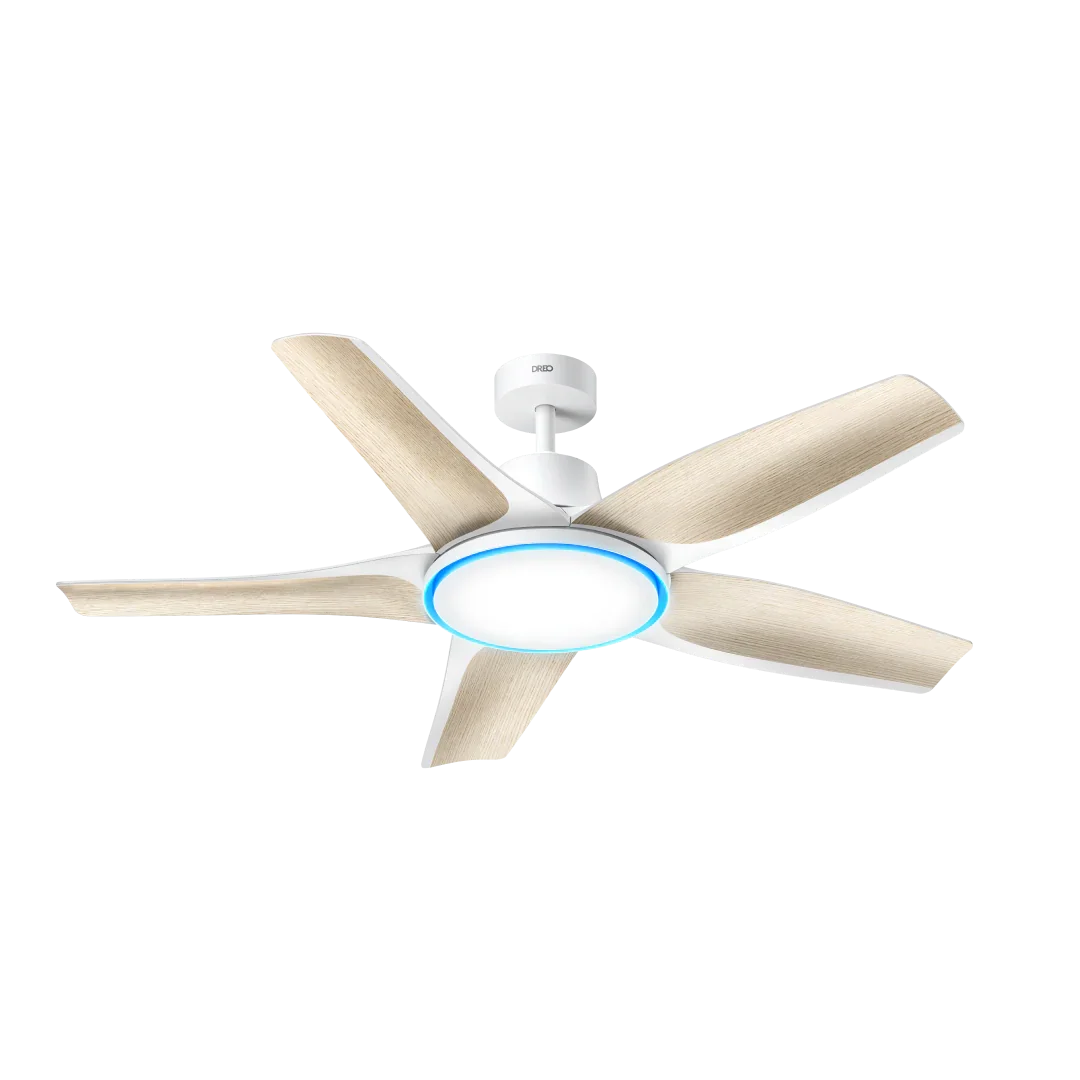
For a spacious primary bedroom, the DREO Ceiling Fan 712S offers the stronger airflow that larger rooms often require, with up to 6040 CFM* and 12 fan speeds for more precise control. Despite its powerful performance, it still operates quietly enough to suit a sleeping environment. Beyond airflow, it also brings greater lighting flexibility with 6 brightness levels, 5 color temperatures, and app-controlled presets such as Sunrise, Sunset, Reading, and Working. Its three RGB lighting modes with 16 million color options further expand the room's ambiance, helping the fan support not just air circulation, but the overall rhythm and comfort of the space.

Seasonal Use Also Affects Performance
A properly sized bedroom ceiling fan can support comfort year-round, not just in summer. During warmer months, the blades should spin counterclockwise to push air downward and create a cooling effect. In colder months, reversing the direction at a low speed helps circulate warm air that rises toward the ceiling.
This makes reversible airflow more than a convenience feature. It turns the ceiling fan into a useful tool in every season. The DREO Ceiling Fan 513 includes one-touch reversible mode through the remote, which makes seasonal adjustments easier and more practical. That is especially helpful in bedrooms, where convenience often matters as much as performance.
Practical Bedroom Ceiling Fan Tips
Once you have chosen the right size, a few additional details can improve the result.
First, place the fan in the center of the room whenever possible. This supports more even airflow and makes the room feel more balanced overall.
Second, consider the bed's position beneath the fan. In a bedroom, airflow should feel gentle and consistent rather than overly direct.
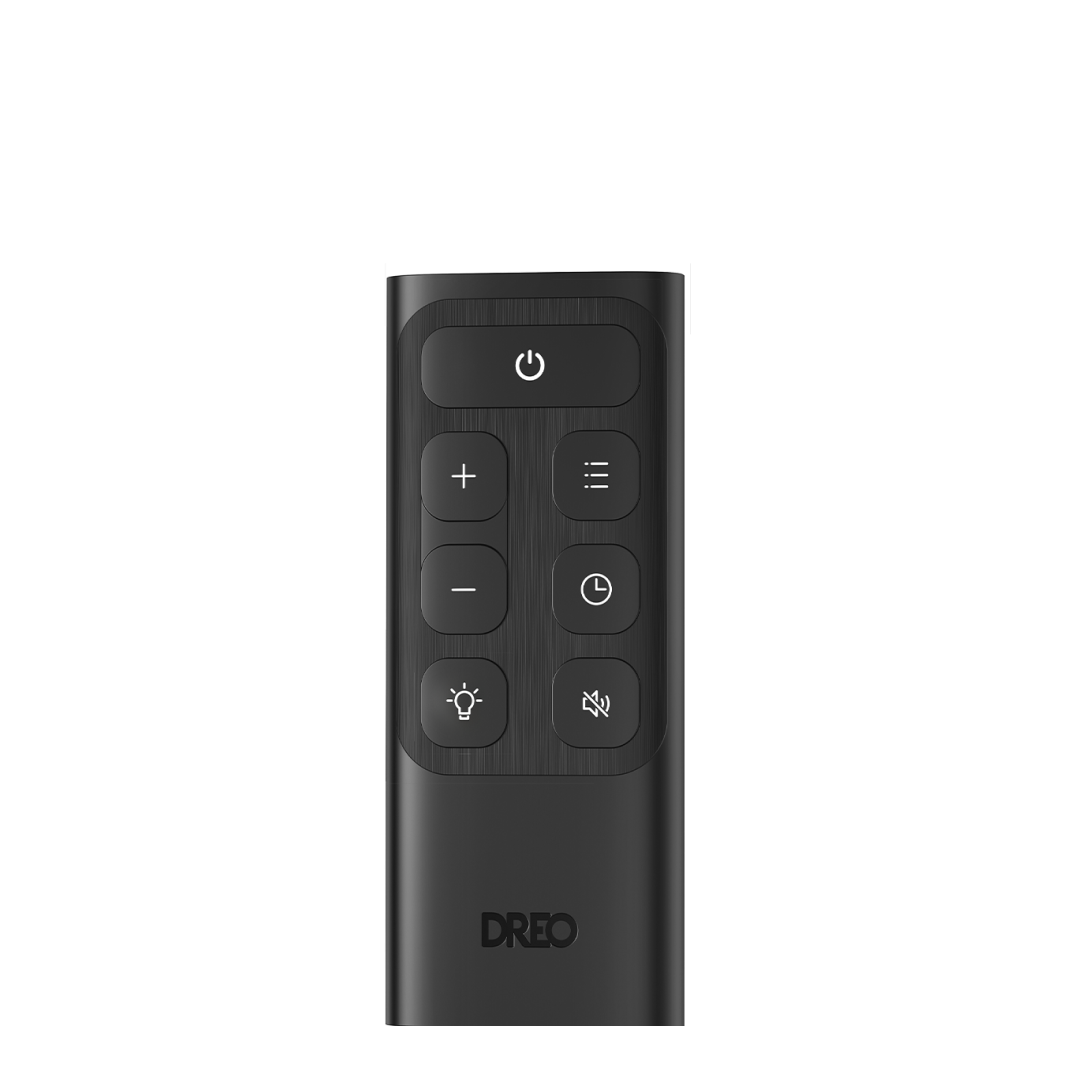
Third, prioritize features that make nighttime use more comfortable. Modes such as Natural, Sleep, and Auto, along with timers, memory settings, remote controls, and quiet motor performance, can make a meaningful difference in a bedroom. The DREO Ceiling Fan 712S both offer convenient control options that align well with bedtime routines, while the Ceiling Fan 513 includes thoughtful remote functions such as timer settings and a mute button to eliminate operation sounds.
Final Takeaway
For most bedrooms, a ceiling fan between 42 and 52 inches is the right fit, depending on the room's size and ceiling height. Smaller rooms usually need a more compact fan, while larger bedrooms benefit from stronger airflow and a wider blade span.
Still, the best choice is not about size alone. Quiet performance, adjustable lighting, and convenient controls can make a real difference in how comfortable the room feels day to day. With the right combination of features, a DREO ceiling fan can do more than improve airflow. It can help make your bedroom feel more functional, comfortable, and better suited to your routine.
*Tested by DREO lab, using products at the highest fan speed settings. Actual results may vary.
**Tested by DREO lab, using products at the lowest fan speed settings. Actual results may vary.
***Max brightness tested without a diffuser installed.
Recommended Articles
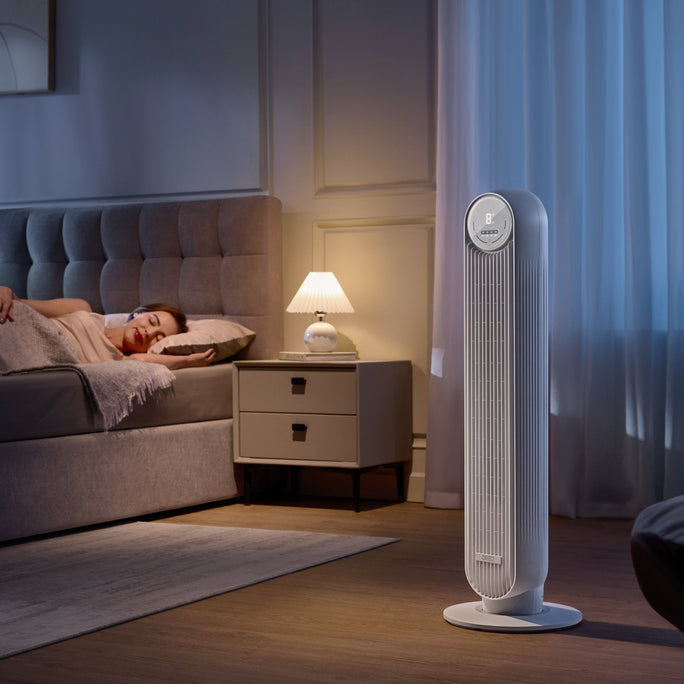
Tower Fan
How to Choose a Quiet Tower Fan for Better Sleep in the Bedroom?

Gift Guide
The DREO's 2026 Mother's Day Gift Guide

Misting Fan
DREO Unveils 2026 Summer Lineup, Led by TurboCool™ Technology for Next-Gen Cooling

Air Conditioner
Rethinking Portable Cooling: Inside the DREO Portable Air Conditioner