



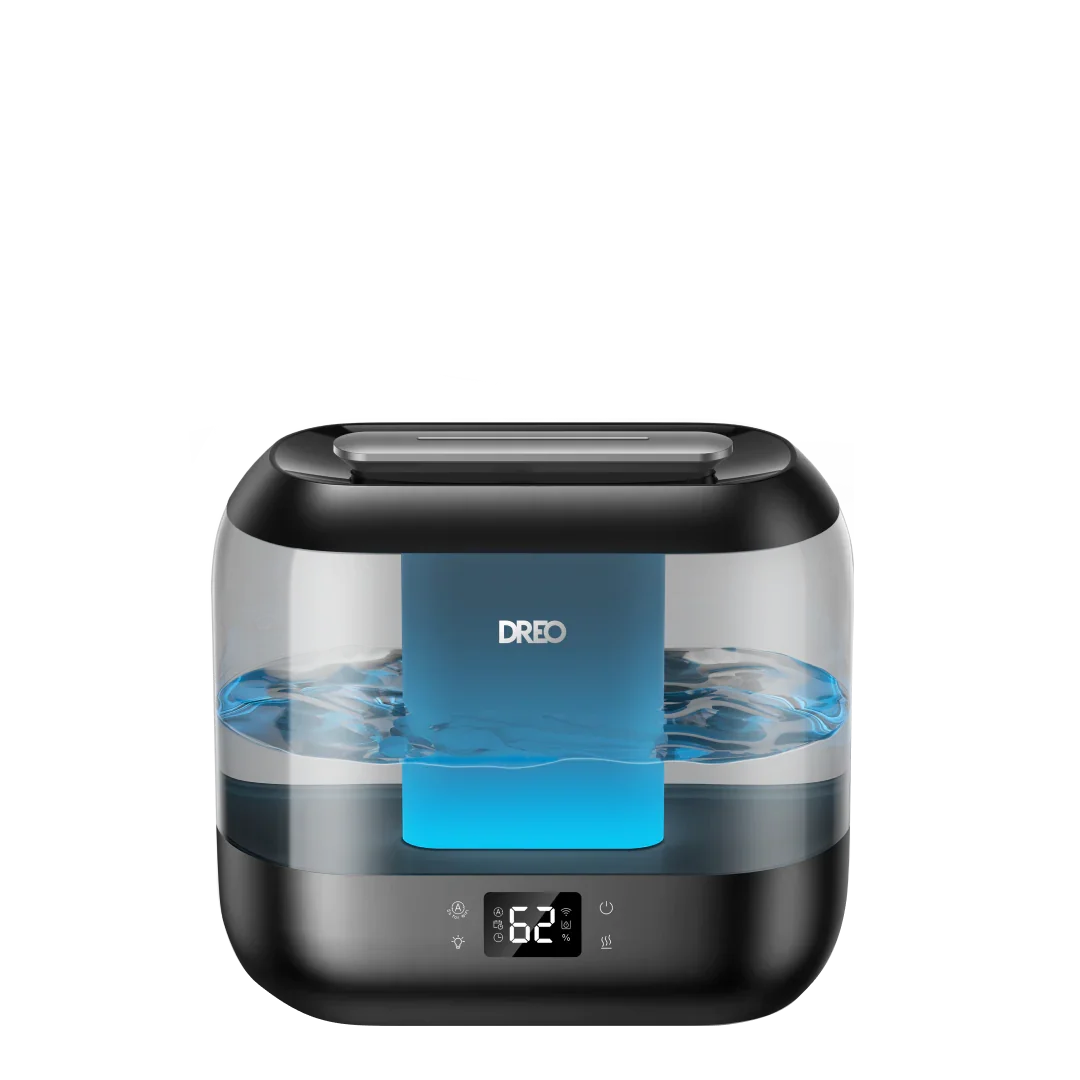



Which is Better: a Fan or a Tower Fan?
Tower fan or regular fan? Discover which one fits your space, cools quietly, and keeps life effortless. Find your perfect breeze inside.


When the weather heats up, the right fan makes a noticeable difference. But with so many options available, the simple decision between a regular fan and a tower fan can feel more complicated than expected.
Here's a practical breakdown to help you decide which is better for your space and lifestyle.
How It Fits Into Your Space
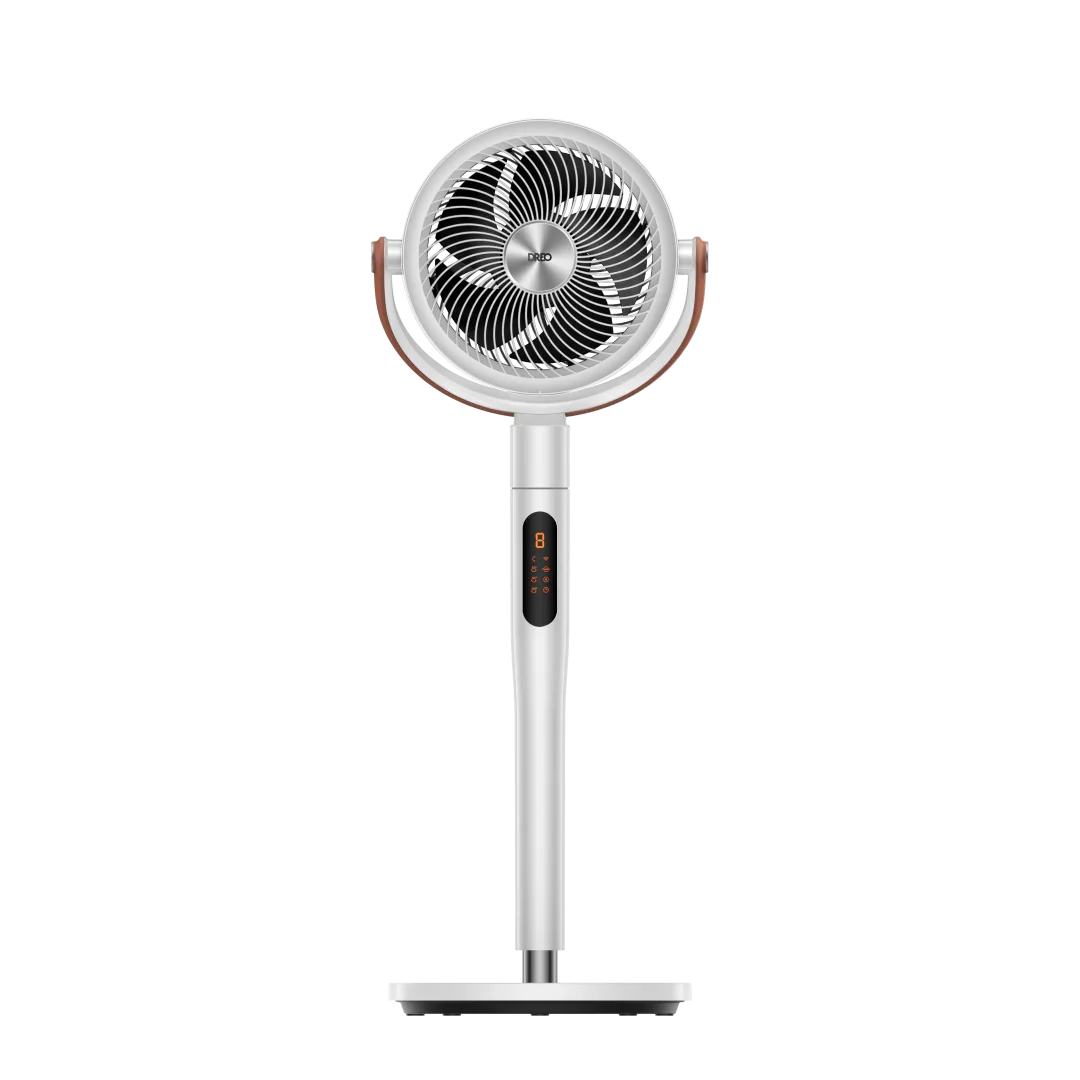
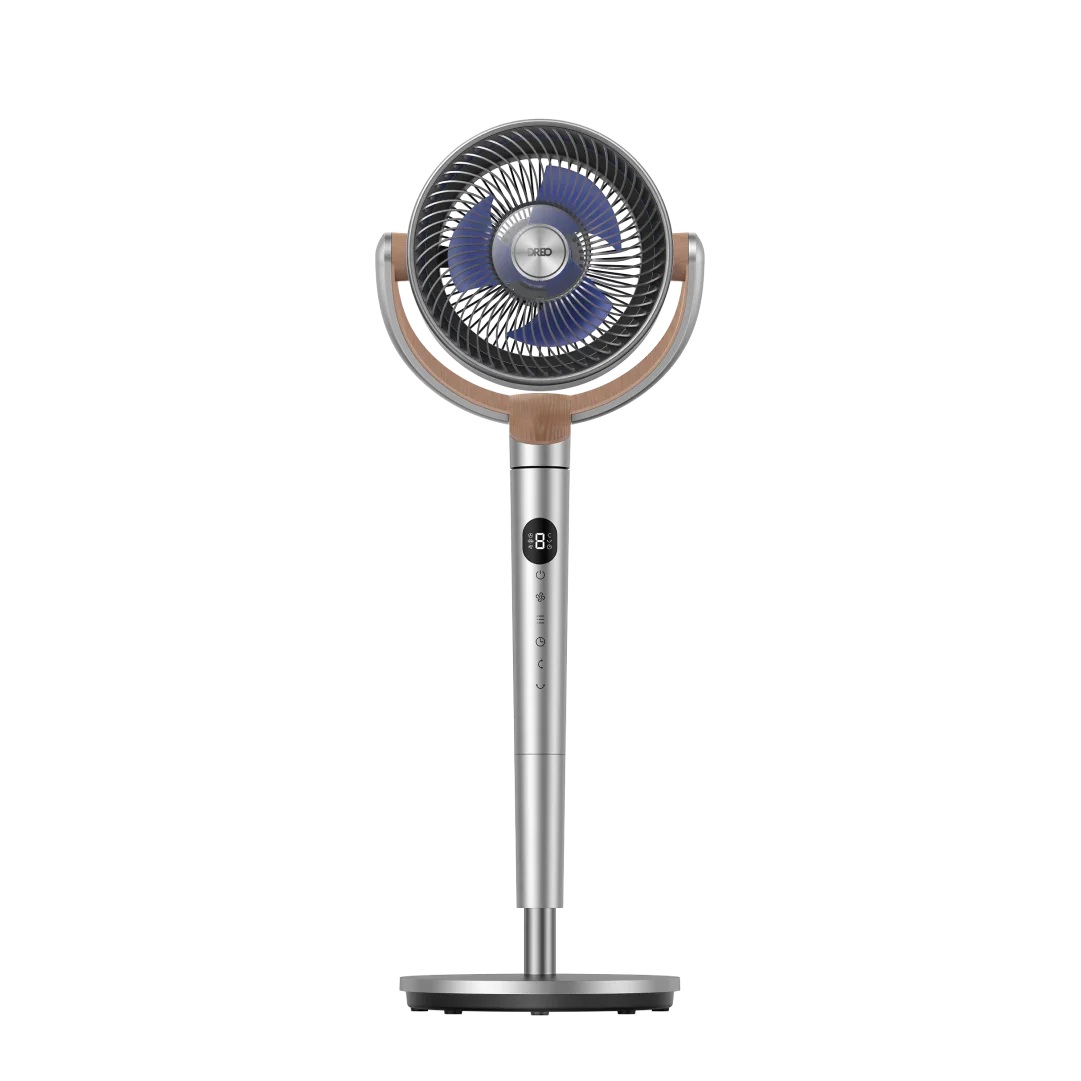
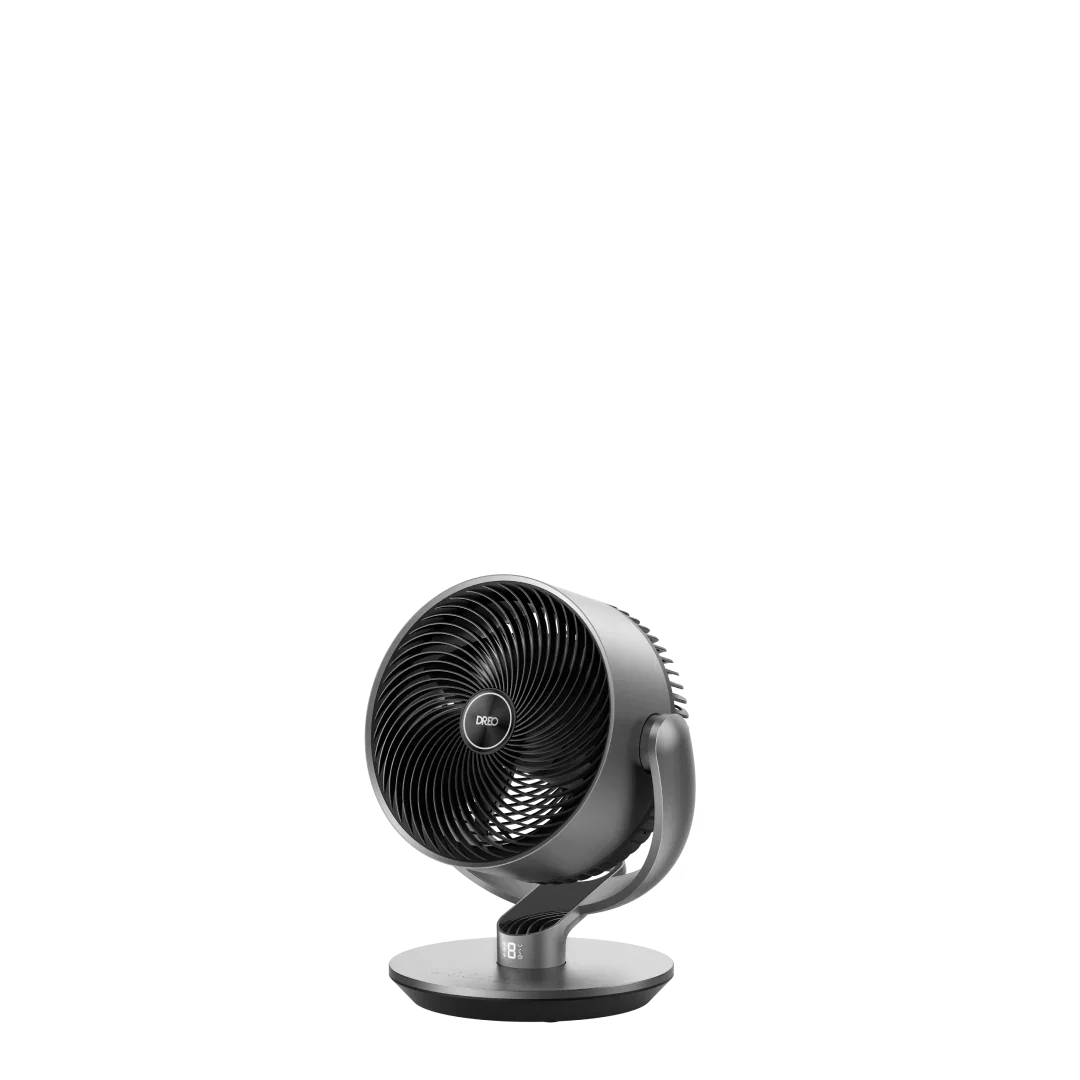
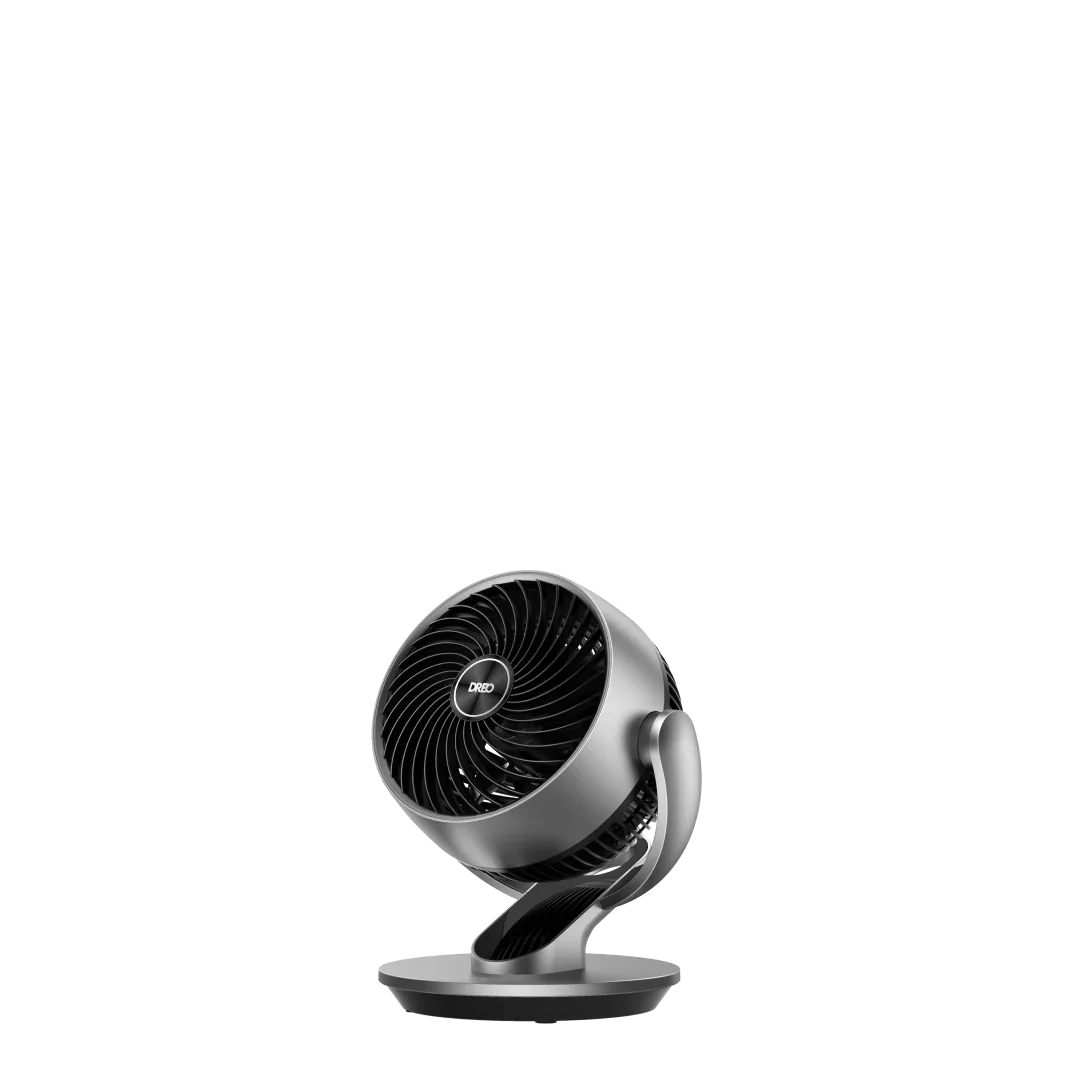
Traditional fans - usually pedestal or box models - are known for strong, direct airflow, but they often come with a bulky footprint. They take up more floor or tabletop space and aren't always easy to tuck out of sight.
Tower fans take a different approach. Their vertical build is designed to save space, making them better suited for smaller rooms and modern layouts where every square foot matters.
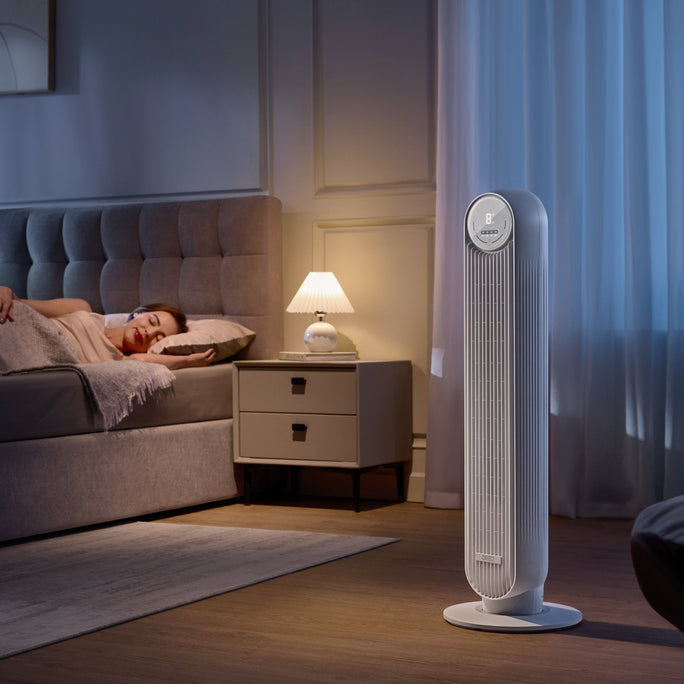
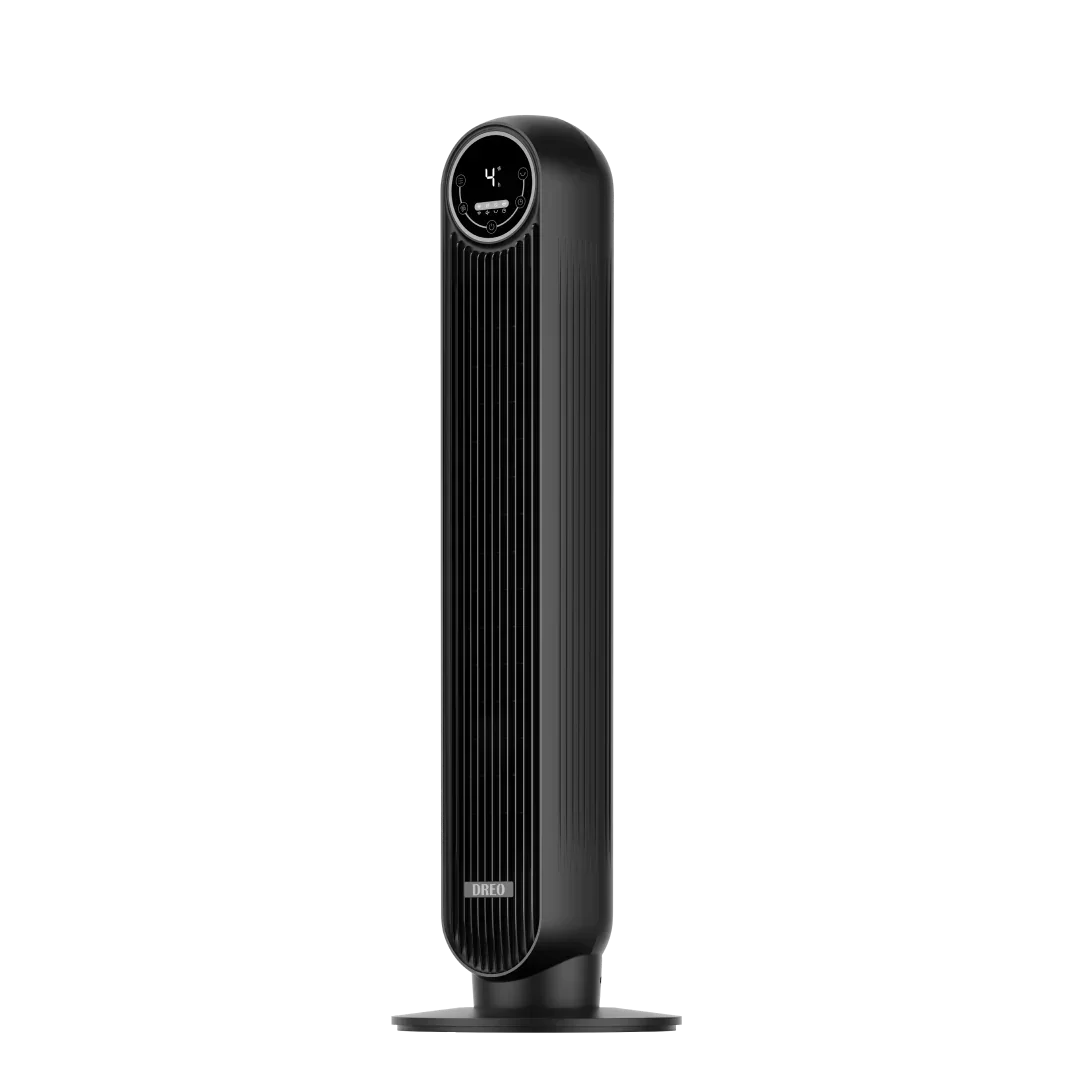
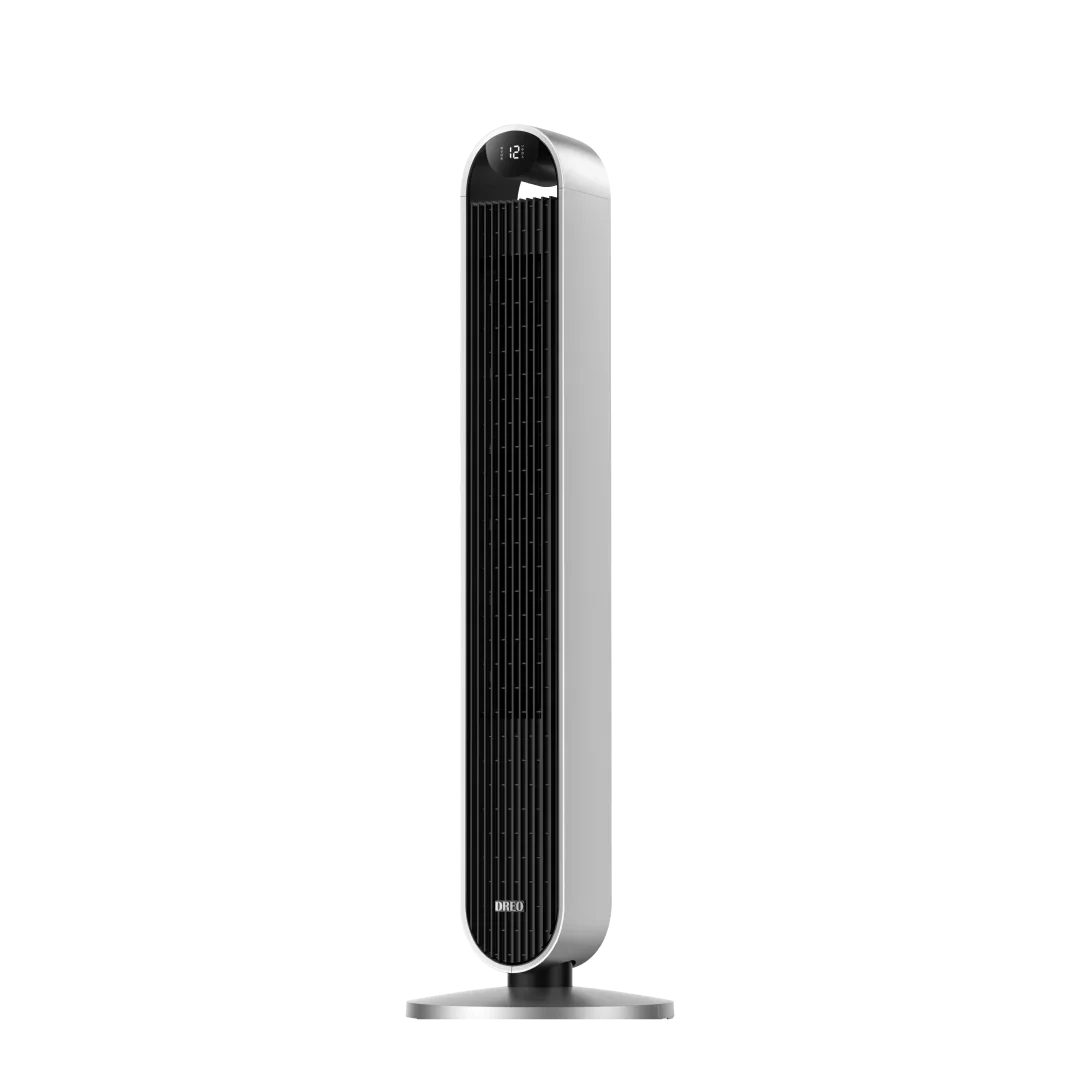
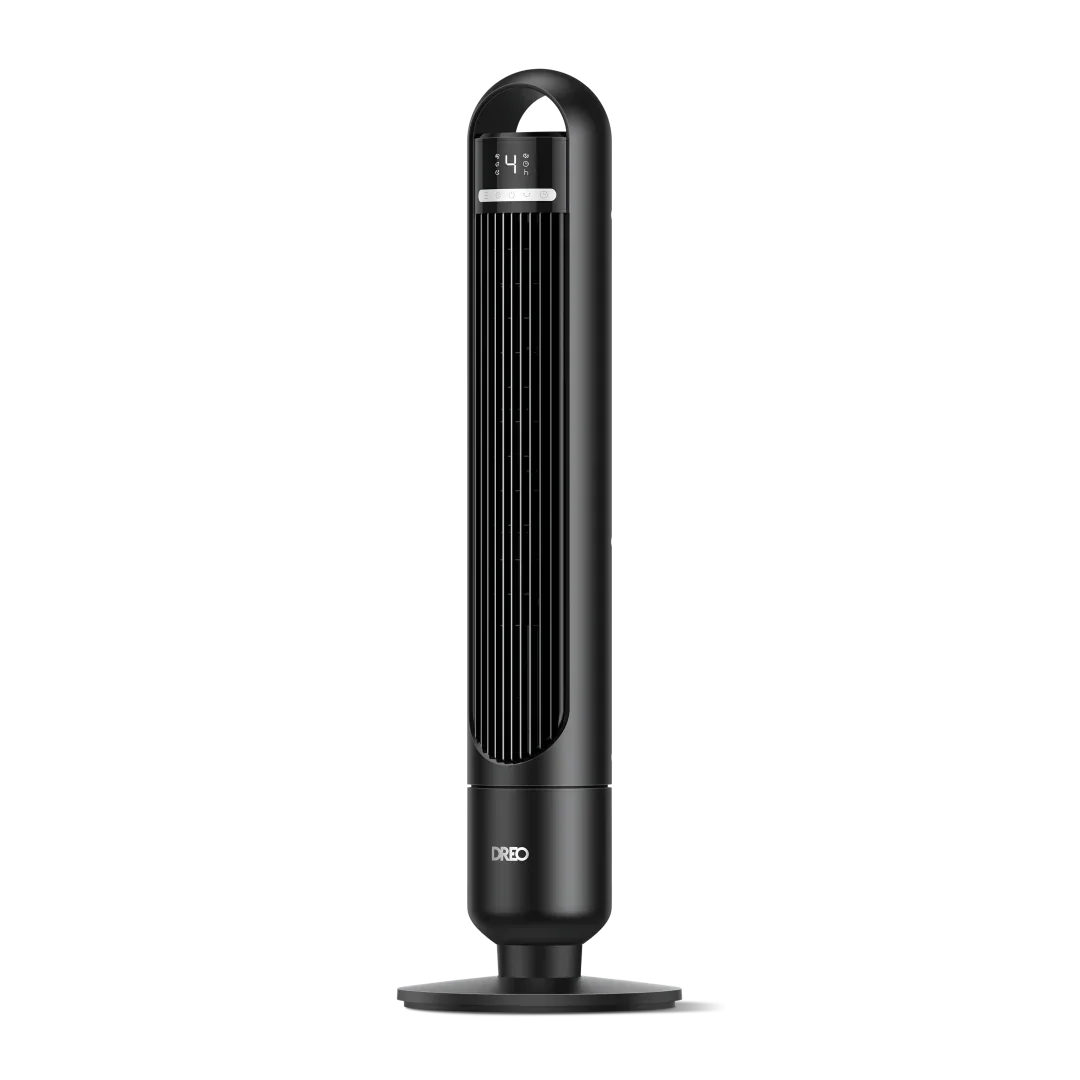
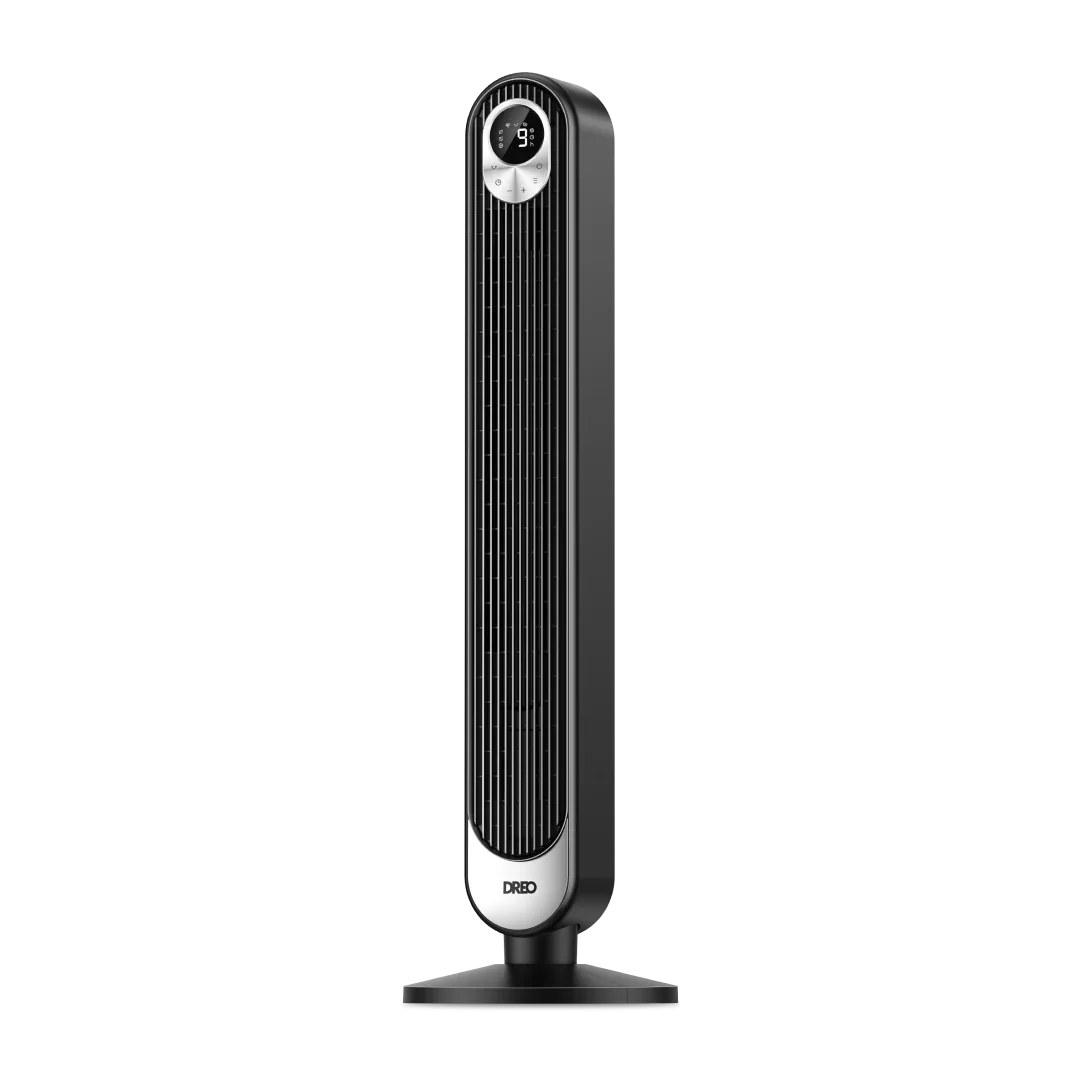
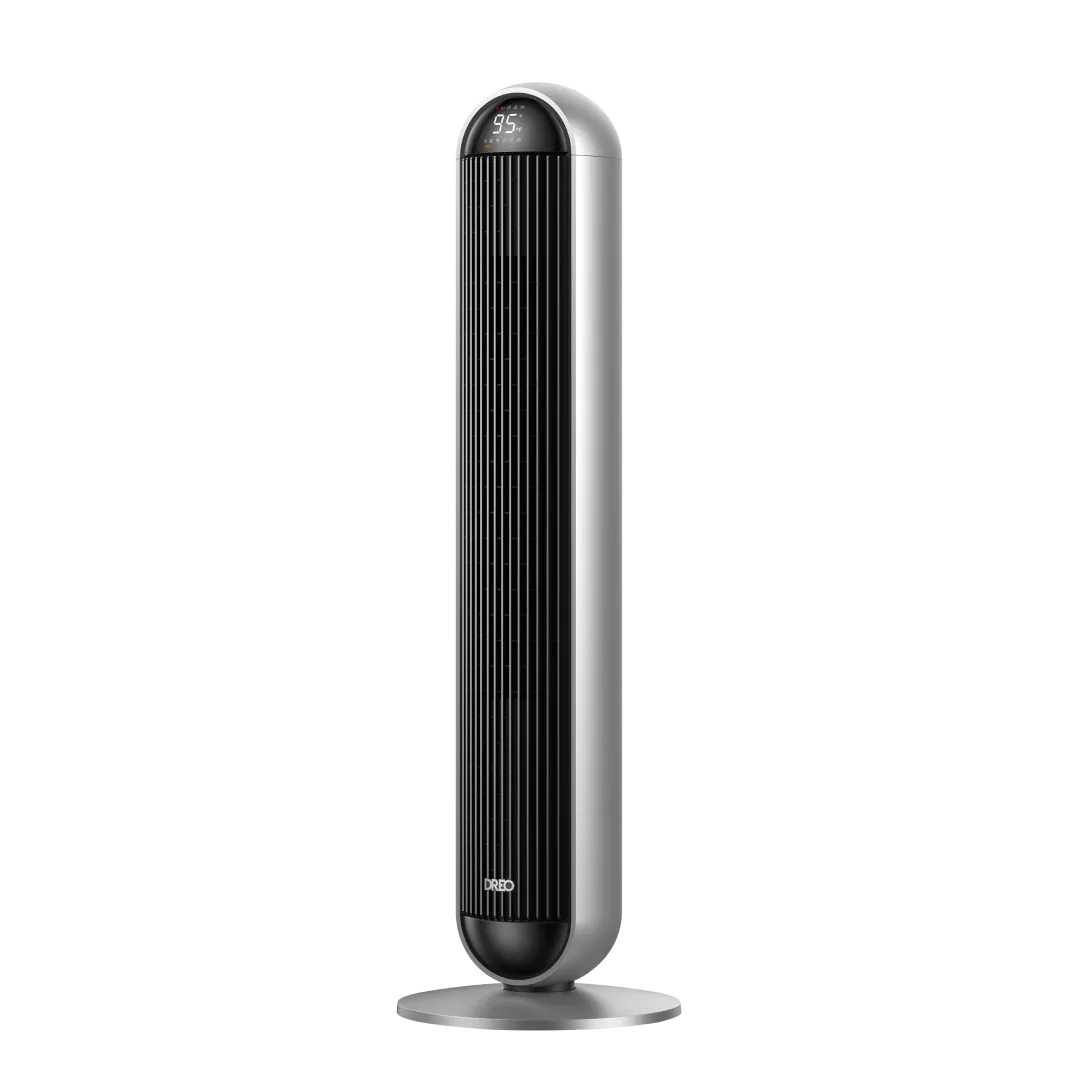
In tight living spaces, models like the DREO Tower Fan Nomad One stay out of the way while still doing their job. They quietly handle airflow from a corner without adding clutter. And if you find yourself rearranging furniture more often than you'd like to admit, that kind of low-profile presence makes a big difference.

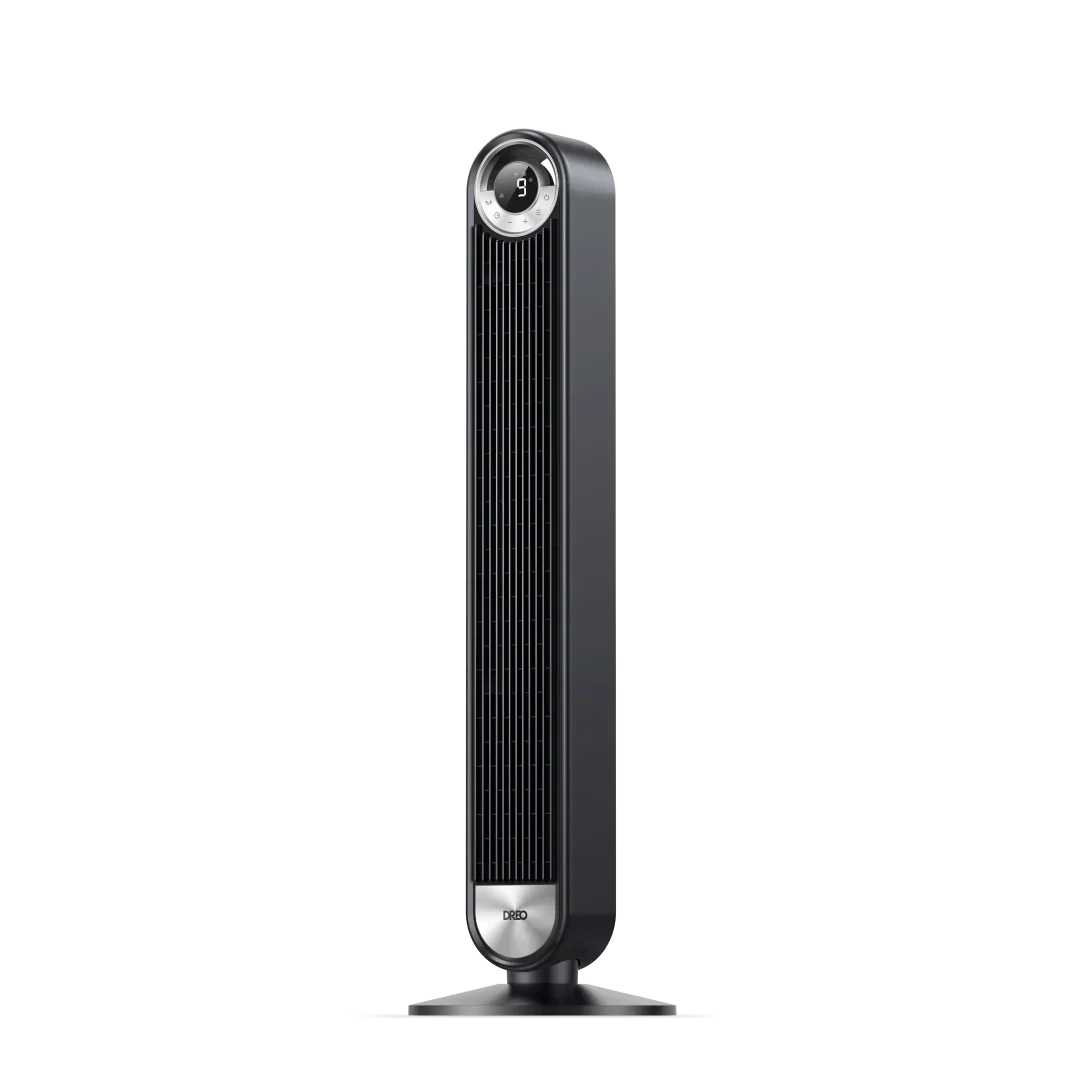
Meanwhile, the DREO Smart Tower Fan Pilot Max S lets you fine-tune the breeze with oscillation angles from 30 to 120 degrees - ideal for keeping your reading nook or workspace comfortable without getting blasted head-on.
What It Sounds Like When It's On
Noise levels are an important consideration, especially for bedroom use. While older fan types often emit a noticeable hum or mechanical whir, typically around 60 to 70 decibels, more advanced tower fans now operate at levels as low as 25 decibels. If your bedtime routine includes podcasts or white noise, you won't be fighting with your fan for attention.
On warm nights, the DREO Tower Fan Cruiser Pro T3 is more background presence than appliances. Its high-torque motor and super-precision bearings allow for stabler, quieter cooling - something that's easy to appreciate as you're winding down, windows open, the gentle night air mixing with a steady, unobtrusive breeze.

How Much Air Does It Actually Move
If airflow power is at the top of your list, not every fan will cut it. In larger rooms or during heat waves that seem to settle in and stay, you want a fan that can really move air - and move it far.
The DREO Tower Fan 519 does just that. It pushes out a serious 1076 CFM, sending a breeze up to 28 feet across the room. But it doesn't come with the usual noise trade-off. Thanks to its 210 airfoil-shaped blades, it reduces turbulence noise by up to 40% compared to traditional designs. So, you get a fast, refreshing airflow that doesn't sound like an airplane taxiing through your living room.
How Easy It Is to Use
Fan remotes used to be a novelty. Now, smart control is becoming the norm. Adjusting your fan without leaving the couch - or the bed - adds a level of convenience you didn't know you needed. Timers, oscillation angles, and mode changes are all easier when you can manage them from an app or remote.
On work-from-home days, the DREO Smart Tower Fan Pilot Max S blends into your schedule. Whether you're switching to sleep mode as your day winds down or shifting to natural breeze during a long Zoom call, the transitions are seamless. With 12 speed settings and app-enabled smart control, it keeps the room comfortable without breaking your workflow - or your focus.

Final Takeaway
When comfort, quiet, and space-saving design matter, a tower fan checks all the right boxes - without overwhelming your room or routine. If you're ready for a cooler, calmer way to stay comfortable, explore DREO's tower fan lineup and find the one that fits right in.