













Can a Space Heater Cause Carbon Monoxide Poisoning?
Electric space heaters are a safe, efficient option for indoor warmth, avoiding carbon monoxide risks. Opt for models with smart controls, safety features, and proper maintenance for cozy, worry-free winter comfort.


Have you ever snuggled up, ready to enjoy the warmth of your heater, only to be suddenly hit with headaches or dizziness shortly after? That happened to me once, all cozy in my favorite blanket, until I realized something was off - a carbon monoxide leak turned my warm refuge into a safety scare.
Heaters have become the go-to solution for quick and cozy warmth during the winter months, loved for their efficiency and ease. But, as I found out the hard way, improper use can turn even the coziest setup into a disaster if safety isn't on your side.
Carbon Monoxide: The Silent Threat
What is Carbon Monoxide?
Carbon monoxide (CO) is like a stealthy intruder in your home. It's a gas that has no color, smell, or taste, making it impossible to detect without special equipment. Produced when fuels like gas or wood don't burn completely, it can quietly build up in enclosed spaces, posing a serious danger without any obvious warning signs.
Source of Carbon Monoxide in Homes
- Combustion Appliances: Gas furnaces, water heaters, stoves, fireplaces, and wood-burning stoves.
- Generators: If used indoors or near open windows.
- Vehicles: Running cars in attached garages or close to open windows.
- Faulty Equipment: Malfunctioning or improperly vented furnaces, water heaters, or space heaters.
Carbon Monoxide Poisoning Symptoms
- Mild Exposure: Headaches, dizziness, shortness of breath, and nausea.
- Moderate Exposure: Confusion, impaired judgment, chest pain, and severe headaches.
- Severe Exposure: Loss of consciousness, convulsions, and in extreme cases, death.
Well, don’t panic just yet—I get it! You might be tempted to toss out your favorite space heater or brace yourself for a bone-chilling winter. But before you make any drastic moves, let’s first explore the common types of heaters and see which ones are actually prone to causing carbon monoxide poisoning.
Common Heater Types
|
Heater Type
|
Heating Method
|
Power Source
|
Carbon Monoxide Risk
|
|
Oil-filled Radiators
|
Convection (oil)
|
Electric
|
No
|
|
Fan-forced Heater
|
Convection (element & fan)
|
Electric
|
No
|
|
Infrared Heaters
|
Radiant (infrared)
|
Electric
|
No
|
|
Ceramic Heaters
|
Convection (ceramic & fan)
|
Electric
|
No
|
|
Propane Heaters
|
Combustion (propane gas)
|
Fuel-burning
|
Yes
|
|
Natural Gas Heaters
|
Combustion (natural gas)
|
Fuel-burning
|
Yes
|
Think all heaters can produce carbon monoxide? Technically, only those that burn fuel, like propane or natural gas heaters emit CO. Another myth is that it's safe to use any heaters indoors; in reality, outdoor heaters should never be used inside without proper ventilation, as this can lead to dangerous CO buildup.
Even new heaters can emit CO without adequate ventilation, so simply cracking a window isn't enough.
Do Electric Space Heaters Produce Carbon Monoxide?
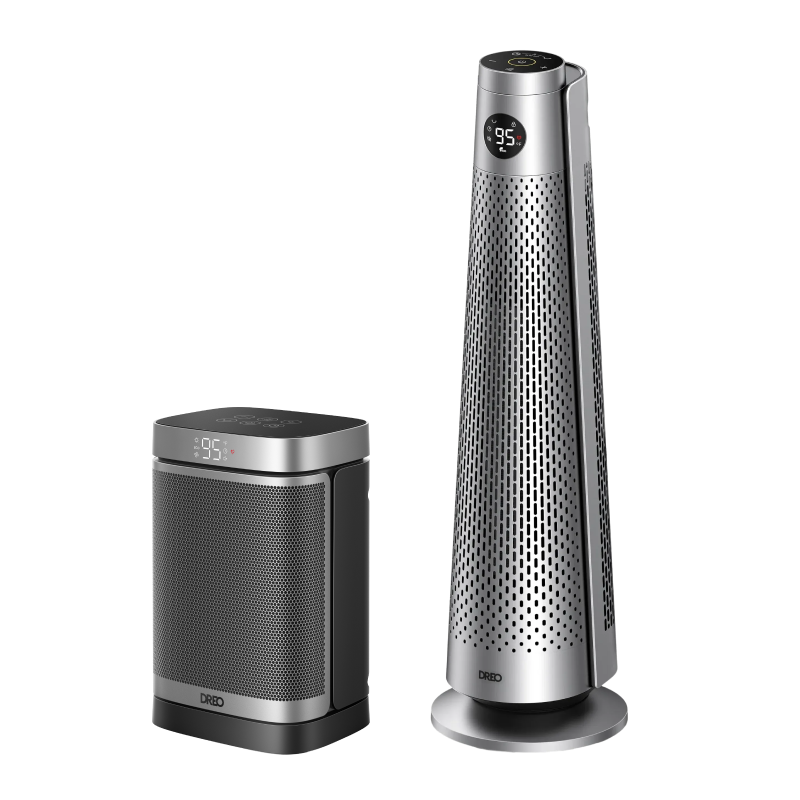
Electric space heaters work by turning electrical energy into heat - no combustion, no fuel, and best of all, no carbon monoxide. Many modern heaters, such as fan-forced models, use PTC ceramic heating elements, like the Solaris Slim H2 to warm the air quickly, while a fan circulates it for fast, even warmth in just two seconds. With no fuel burning, they're a much safer choice for indoor warmth.

Why should you go for an electric space heater?
Sure, propane and natural gas heaters can heat up a room quickly and are great for larger spaces. They often have lower upfront costs and can be powerful options. But - when it comes to safety and convenience, electric space heaters are the clear winner.
Imagine walking into a room that's just the right temperature without even lifting a finger. Nowadays, many space heaters with smart features - like the DREO WH719s make effortless comfort a reality. You're free to control your warmth from anywhere. With features like customizable schedules, precise room temperature settings, and timers, adding cozy comfort to your daily routine has never been easier.
Advanced models like the Solaris 718 take things a step further with an NTC (Negative Temperature Coefficient Thermistor) sensor, leveraging a high-precision thermostat for better temperature regulation. This means the ECO mode adjusts output based on your needs, delivering real efficiency and cost savings - up to 50%, while maintaining a temp accuracy within ±1.5°F across a range of 41-95°F.

Features to look for in safe space heaters
Always keep an eye out for these key features: Tip-over protection, overheat protection, and a sturdy base to ensure safety, along with a cool-touch exterior for worry-free handling. While ETL or UL certification is essential for any space heater, if you're looking for one suitable for potentially foggy environments—like a bathroom—make sure it has at least an IP24 rating, along with an ALCI plug and thermal insulated wire. The DREO WH719S wall-mounted heater checks all these boxes for extra safety assurance!
Tips for Using Electric Space Heaters Safely
1. Proper Placement
- Safe Distance: Keep your heater at least 3 feet away from flammable materials like curtains, furniture, or paper to prevent accidental fires.
- Avoid Overuse: Use your heater only when necessary to avoid overheating and potential hazards.
- Good Ventilation: Avoid placing your heater in enclosed spaces with limited air circulation.
2. Use Advanced Built-in Features
- ECO Mode: Take advantage of its automatic adjustments to maintain optimal room temperature, effectively eliminating the risk of overheating and ensuring safe operation at all times.
- Smart Control: Use advanced features to remotely monitor and manage the heater, allowing for a turn-off in case of accidental activation, ensuring added safety and peace of mind.
- Safety Features: Opt for those with solid built-in safety features like tip-over switches and overheat protection to prevent accidents.
3. Regular Maintenance
- Routine Checks: Regularly inspect your heater for any signs of wear or damage. Address any issues promptly to prevent malfunctions.
- Cleaning: Keep the heater clean and free from dust or debris to ensure efficient operation and reduce the risk of overheating.
4. Carbon Monoxide Detectors
- Install Detectors: Although electric heaters don't produce CO, having a detector in your home adds an extra layer of safety, especially if you use other types of space heaters or appliances that might emit this gas.
Final Takeaway
Keep your winter cozy and stress-free! Electric space heaters surely are your safe bet for chilly months - just opt for models with enhanced safety features. For more serious warm comfort, head to Space Heater Collection to find your new cold-weather warrior for a snug home!


