
















Sleeping With the Window Open: Is It Bad for Your Sleep?


Cracking the bedroom window before bed feels like a simple way to let in some fresh air and a cool breeze. But is sleeping with the window open actually good or bad for your sleep? In this guide, we'll take a closer look at the pros and cons of sleeping with the window open and how to create a more comfortable sleeping environment.
Is It Bad to Sleep With the Window Open?

Sleeping with the window open is generally fine as long as the air outside is comfortable and clean. On a mild night in a quiet neighborhood, an open window can help cool the room and keep the air moving. It may be less comfortable when it is very cold or humid outside, when pollen counts are high, or when there is smoke or heavy traffic nearby.
Whether sleeping with the window open works for you depends on your climate, your surroundings, and how sensitive you are to noise and allergens. Here is how to tell when opening the window makes sense and what to do on nights when it is better to keep it closed.
Benefits of Sleeping With the Window Open

Sleeping with the window open can offer several benefits, especially when outdoor conditions are comfortable.
1. Thermoregulation and Deeper Sleep
Sleeping with the window open can support thermoregulation and more restful sleep when outdoor conditions are comfortable. As you prepare for sleep, your body naturally lowers its core temperature, a process that helps signal to the brain that it is time to fall and stay asleep. A cooler bedroom can support this process by helping your body release heat more efficiently.
Opening a window allows cooler outdoor air to enter and warm indoor air to escape, helping prevent the bedroom from becoming too warm or stuffy during the night. A comfortably cool environment may make it easier to fall asleep and reduce heat-related restlessness or nighttime awakenings, supporting more continuous sleep.
Tips: The goal is to keep the room comfortably cool, not cold. Excessive cold can also cause discomfort and disrupt sleep.
2. Improved Air Circulation
Sleeping with the window open keeps air moving through the bedroom instead of letting it become stale overnight. In a closed room with limited ventilation, the air can start to feel stuffy by morning, which may leave the bedroom feeling less fresh when you wake up.
Opening a window lets outdoor air in and stale indoor air out, which helps the room feel fresher through the night. It also dilutes everyday indoor buildup, from cooking odors that drift down the hallway to the carbon dioxide you exhale while you sleep. You do not need the window wide open for this. Even a small gap is usually enough to keep air exchanging.
3. Natural Humidity Balance
Sleeping with the window open may also help manage bedroom humidity by allowing indoor and outdoor air to circulate. When the bedroom becomes too humid from breathing, sweating, or everyday household activities, drier outdoor air can help disperse excess moisture and reduce that heavy, damp feeling.
However, the effect depends on the weather and local climate. If outdoor air is more humid than the air indoors, opening the window can actually increase indoor humidity. Under mild conditions, natural ventilation can help keep bedroom humidity from becoming excessively dry or humid and create a more comfortable environment for sleep without relying entirely on mechanical climate control.
Tips: Use a hygrometer to keep bedroom humidity between 30–50%. Open the window if it's above 50–60%. Watch for signs too: condensation, dampness, or musty odors mean too much moisture, while dry skin, a dry throat, or static electricity mean the air is too dry.
Dangers of Sleeping With the Window Open
Sleeping with the window open isn't always the best choice. When outdoor conditions are unfavorable, it can create several problems:
- Uncomfortable temperature: Cold drafts or excessive heat can make it harder to maintain a comfortable sleeping temperature.
- Excess humidity: High outdoor humidity can make the bedroom feel damp and uncomfortable.
- Allergens and pollution: Pollen, dust, smoke, and outdoor air pollution can enter the room and affect people who are sensitive to allergens or poor air quality.
- Noise disruption: Traffic, neighbors, or other outdoor activity can interrupt sleep.
- Security risks: Depending on where you live and where the window is located, leaving it open may create additional safety concerns.
How to Create the Ideal Sleep Environment Without Opening Windows

Opening the windows is not always an option. If it is too cold outside, the air quality is poor, or the street is noisy, you are left closing the window and dealing with what happens indoors: air that gets stuffy, dry, and cold by morning. Each of those is a separate problem with a separate fix.
1. Improve Bedroom Air Quality for Better Sleep with an Air Purifier
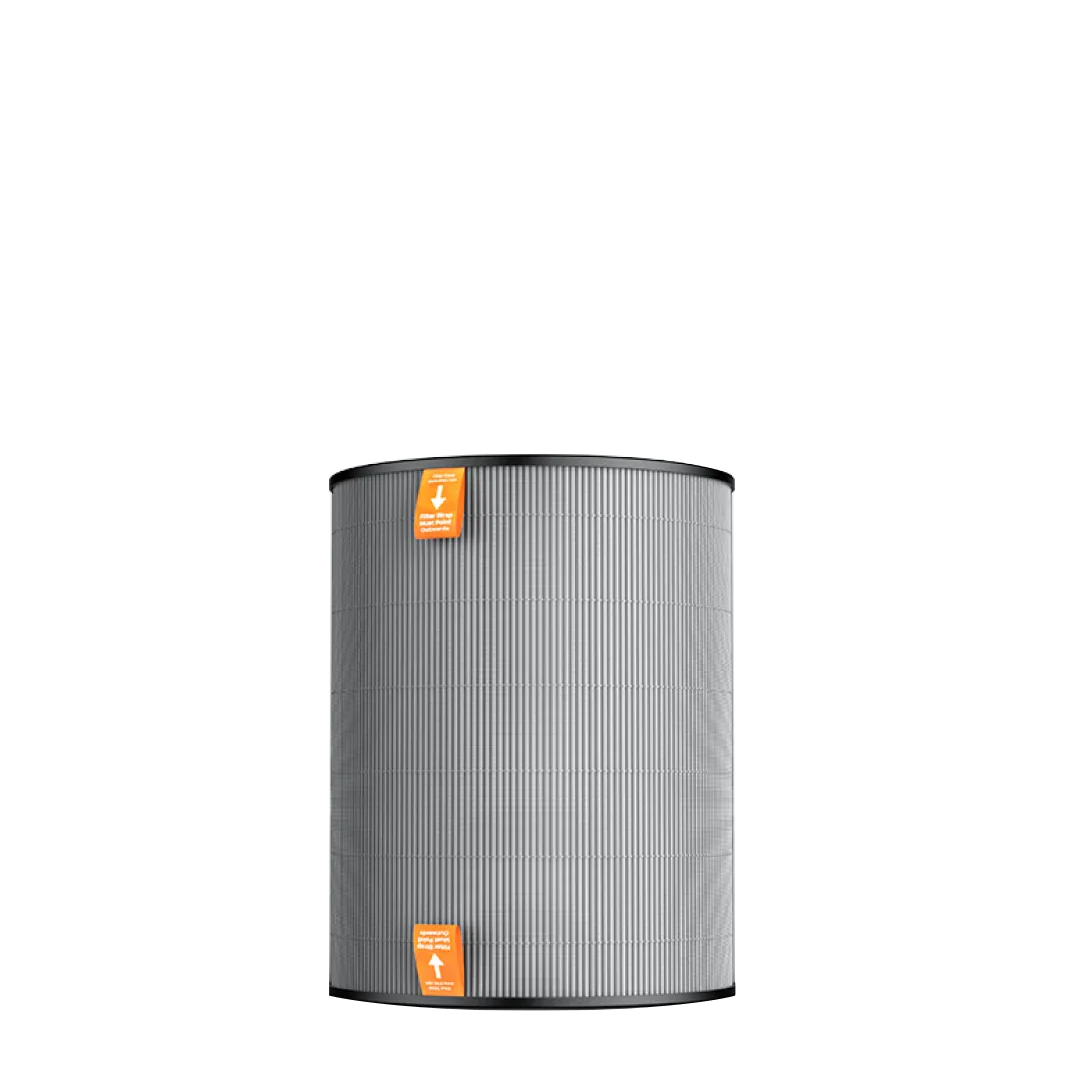
Keeping the windows closed can help block outdoor allergens, pollution, and traffic noise. Indoor pollutants such as dust, pet dander, and volatile organic compounds (VOCs) can still build up over time. A high-efficiency air purifier continuously filters airborne particles and helps reduce odors, keeping the bedroom air cleaner throughout the night.
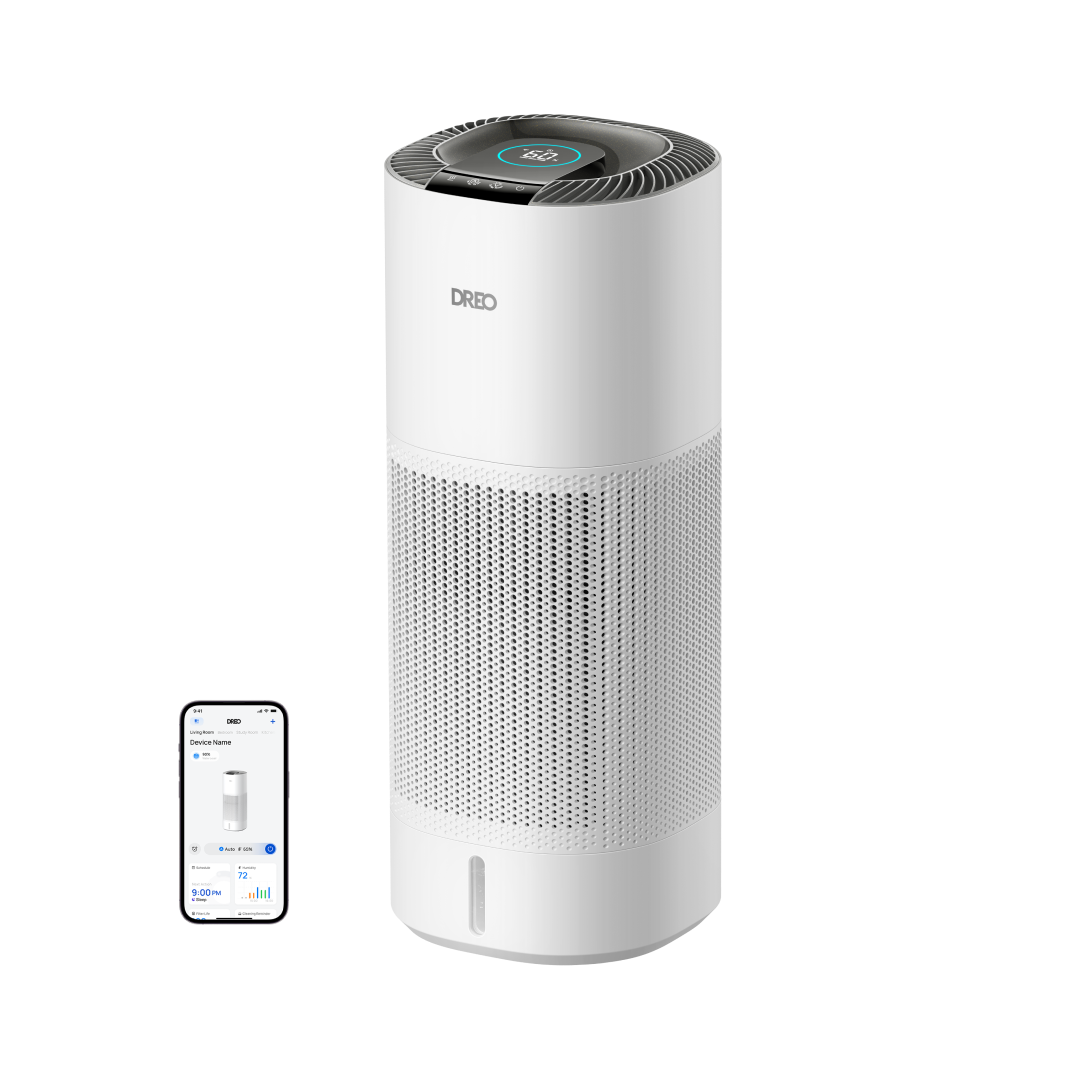
As part of DREO's winter collection, these new air purifiers are designed to create a cleaner and more comfortable sleep environment. Compare the key features below to find the right model for your bedroom.
| Air Purifier 530S | Air Purifier 539AS | |
|---|---|---|
| Best for | Bedrooms where you want ambient lighting | Bedrooms shared with a pet |
| Room size | Up to 202 sq ft | Up to 225 sq ft |
| Clean air delivery (AHAM CADR) | 130 CFM | 145 CFM |
| Noise in Sleep mode | 18 dB | 18 dB |
| What it filters | 3-in-1 HEPA Pro filter that captures 99.97% of particles down to 0.3 µm | 3-in-1 HEPA Pro filter that captures 99.97% of particles down to 0.3 µm |
| Filter life | 6 to 8 months | 6 to 8 months |
| Standout feature | RGBIC ambient lighting you can adjust to suit the room or mood | Pet Auto mode, designed to help tackle pet dander and odors |
| Certified by | AHAM, Energy Star, ETL | AHAM, Energy Star, ETL |
2. Maintain Comfortable Humidity for Better Sleep with a Humidifier
Indoor air can become extremely dry when you keep the window closed, especially during winter or in air-conditioned rooms. This is more than just uncomfortable: dry air draws moisture from your nasal passages and throat while you sleep, which can lead to a dry mouth, scratchy throat, or even a higher chance of waking up congested. That's where a humidifier becomes essential.
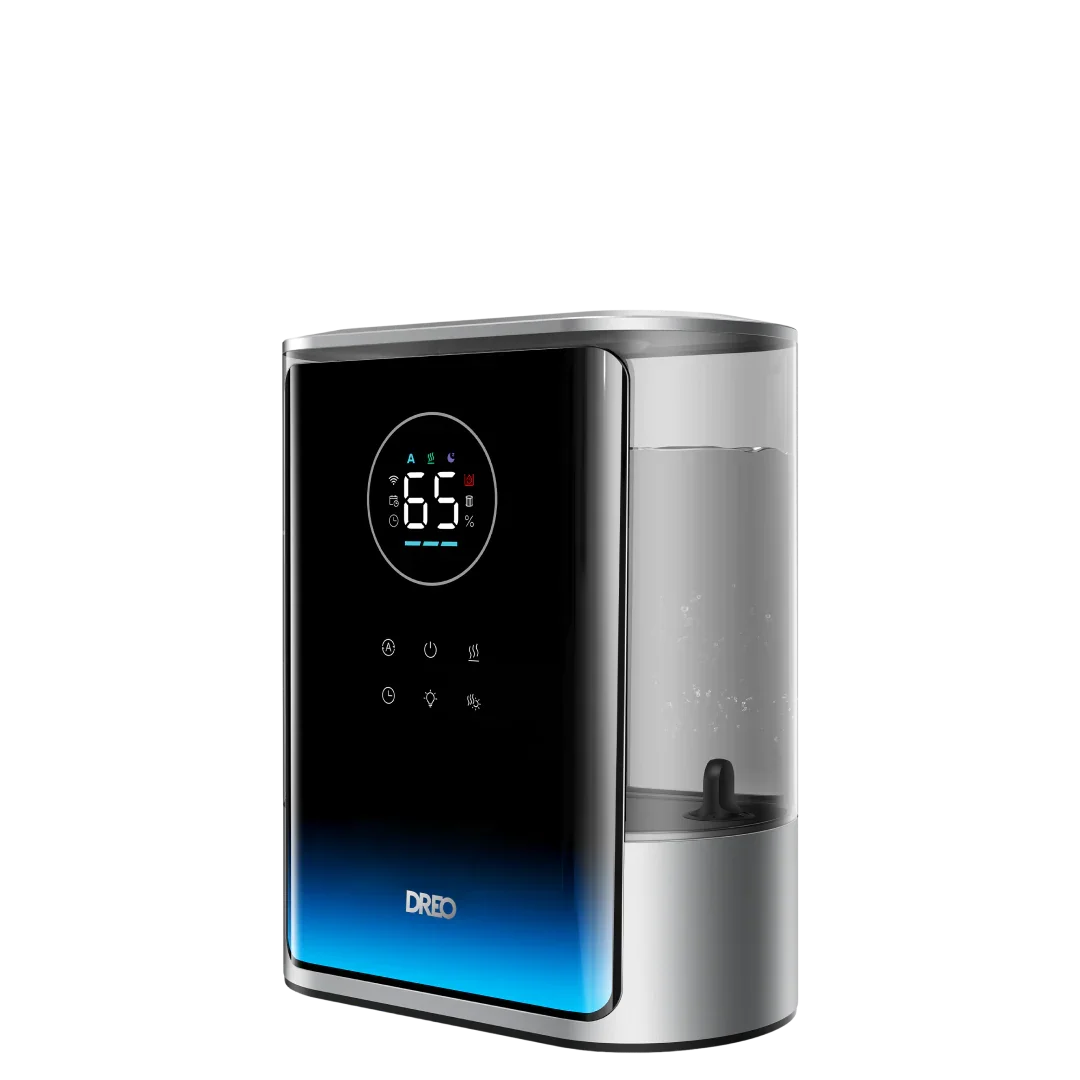
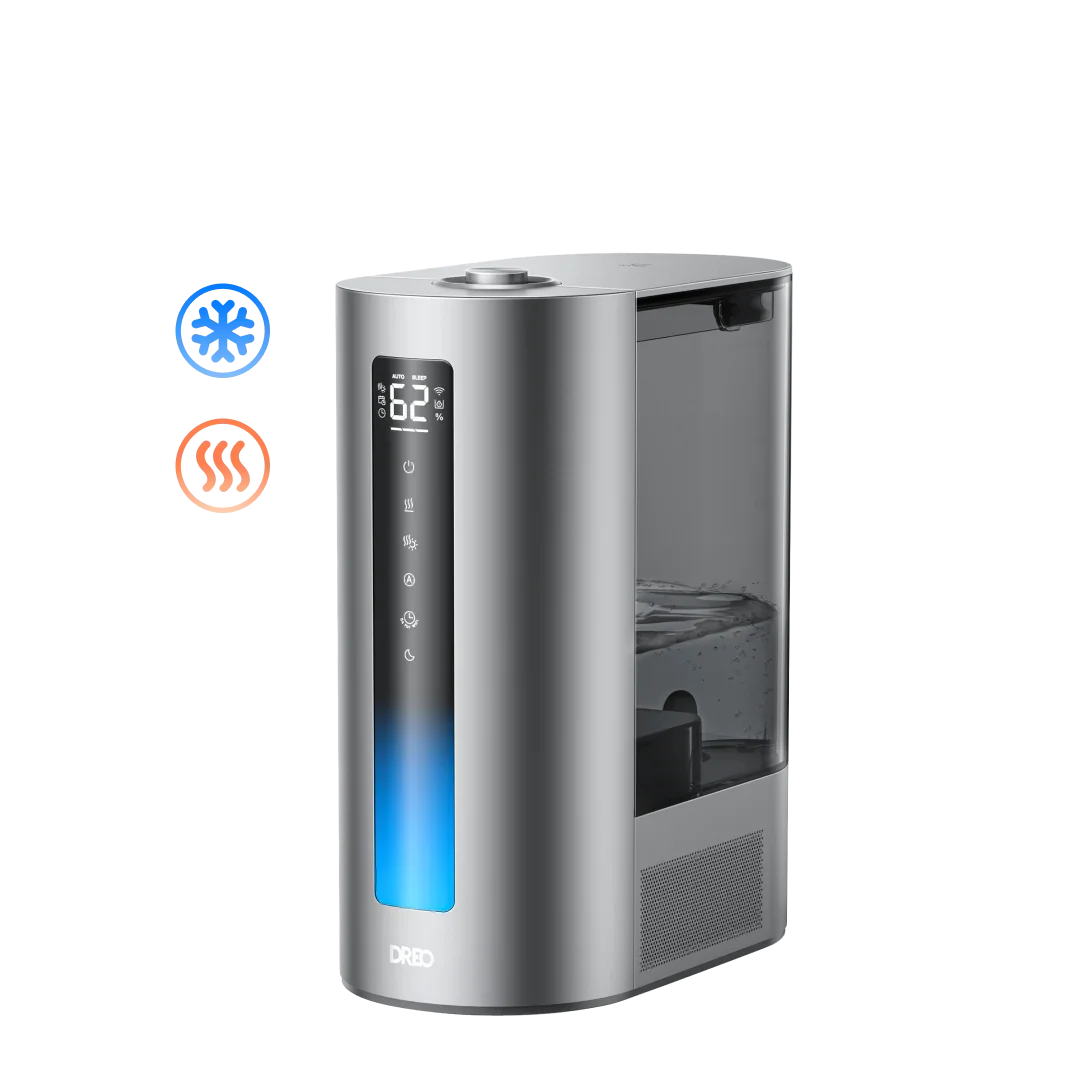
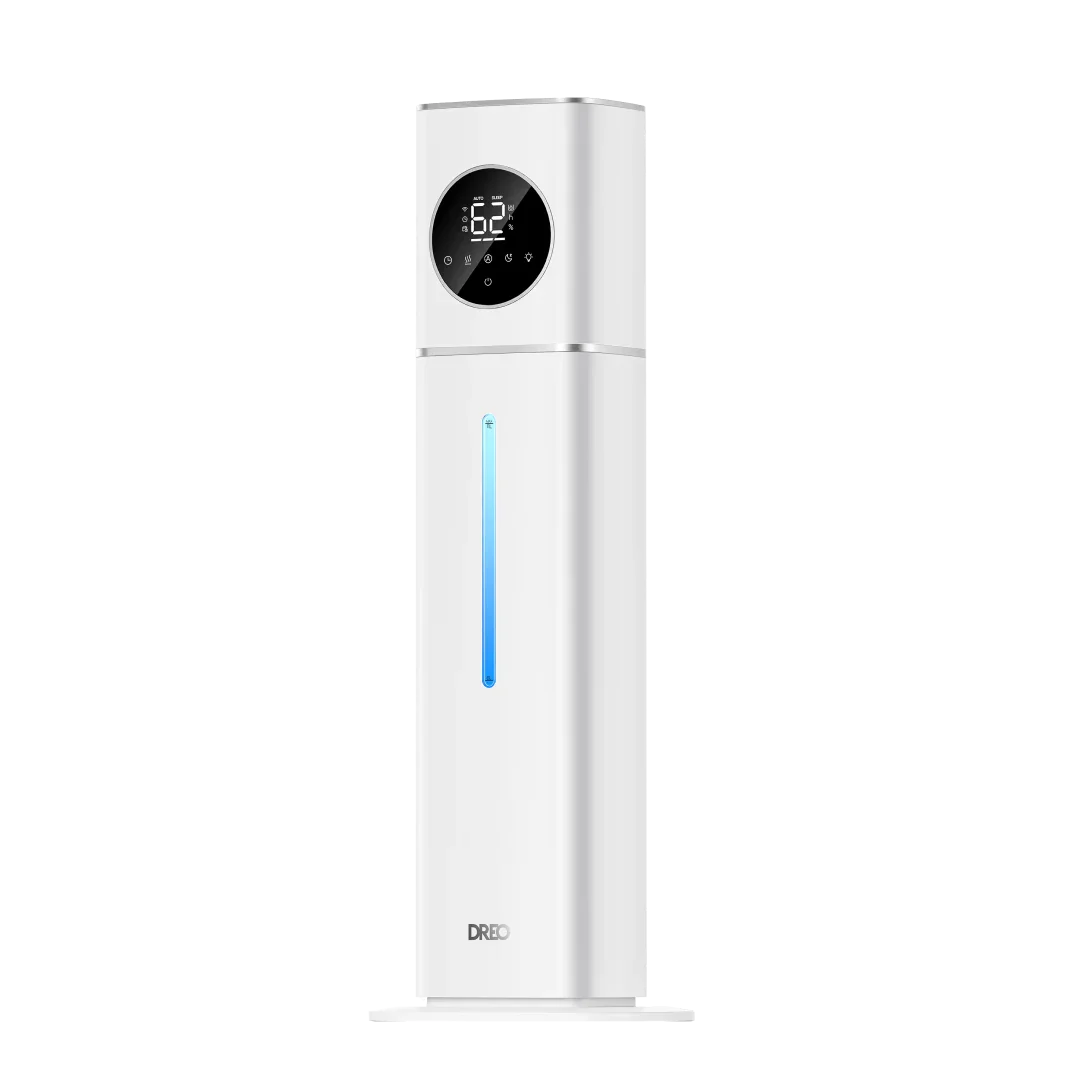
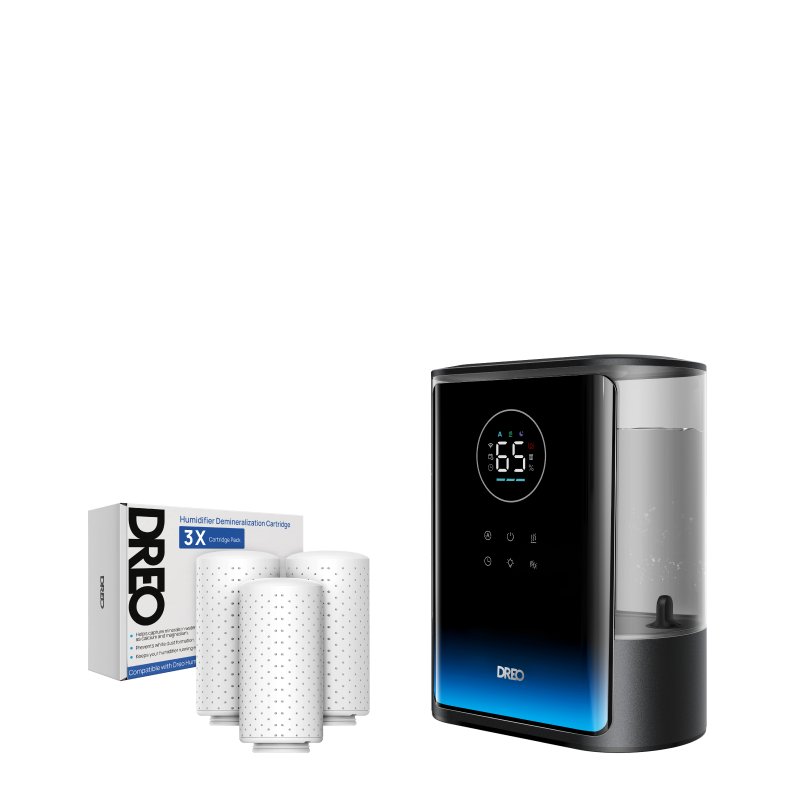
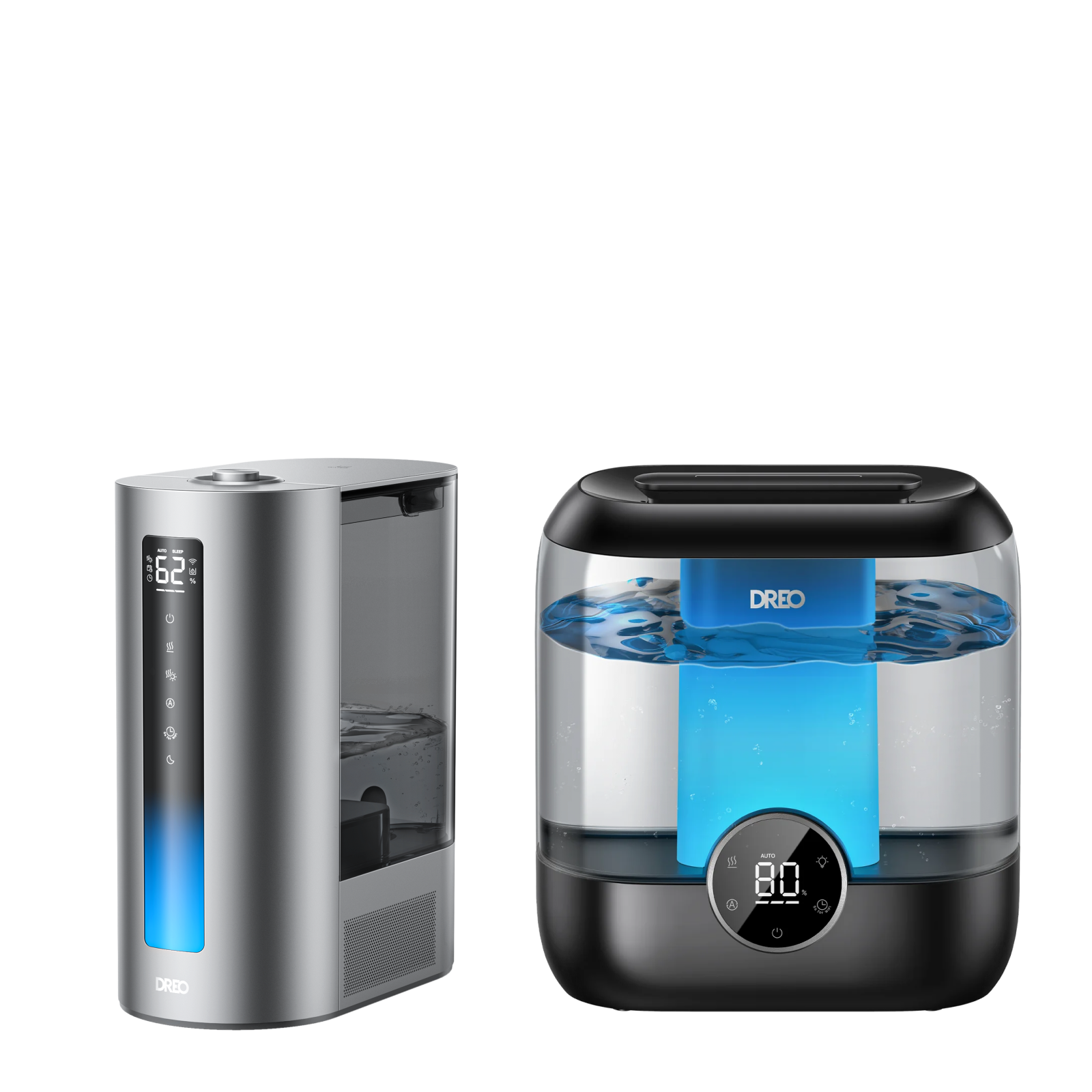
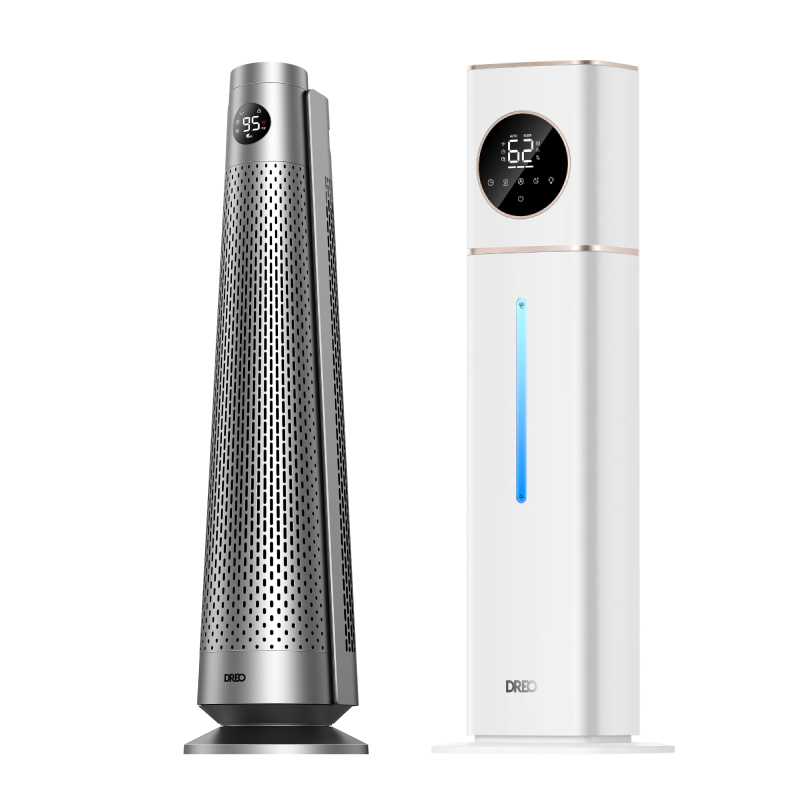
A smart humidifier can help maintain a more comfortable humidity level during dry winter months. DREO's latest humidifiers are designed to provide consistent moisture control for a more balanced sleep environment. Compare the models below to find the right option for your needs.
| Smart Humidifier 713S | Smart Humidifier 717S | Smart Humidifier 747S | |
|---|---|---|---|
| Best for | Small bedrooms | Standard bedrooms | Large or open-plan bedrooms |
| Room size | Up to 500 sq ft | Up to 600 sq ft | Up to 700 sq ft |
| Tank and runtime | 6L, up to 60 hours | 8L, up to 80 hours | 11L, up to 100 hours |
| Noise | 28 dB | 28 dB | 21 dB |
| Refilling and cleaning | Top-fill, easy-clean interior | Top-fill, modular design for easier cleaning | Top-fill, clean tank tech, lift handle |
| Hard water | Works with demineralization cartridges | Works with demineralization cartridges | Scale-inhibitor cartridge |
| Controls | App, touch, voice | App, touch, voice | App, remote, touch, voice |
| Worth knowing | No remote, so set it before bed | No remote, nozzle tilts up to 30° | Largest of the three; a full 11L tank may be heavier to move |
3. Keep Your Bedroom Warm and Comfortable with a Space Heater
Sleeping with the window open in winter can make the bedroom uncomfortably cold. Keeping it closed helps retain warmth, but central heating can sometimes leave the room feeling hot, dry, or stuffy. A slightly cooler bedroom is generally considered more comfortable for sleep, with temperatures around 60–67°F (16–19°C) commonly recommended.
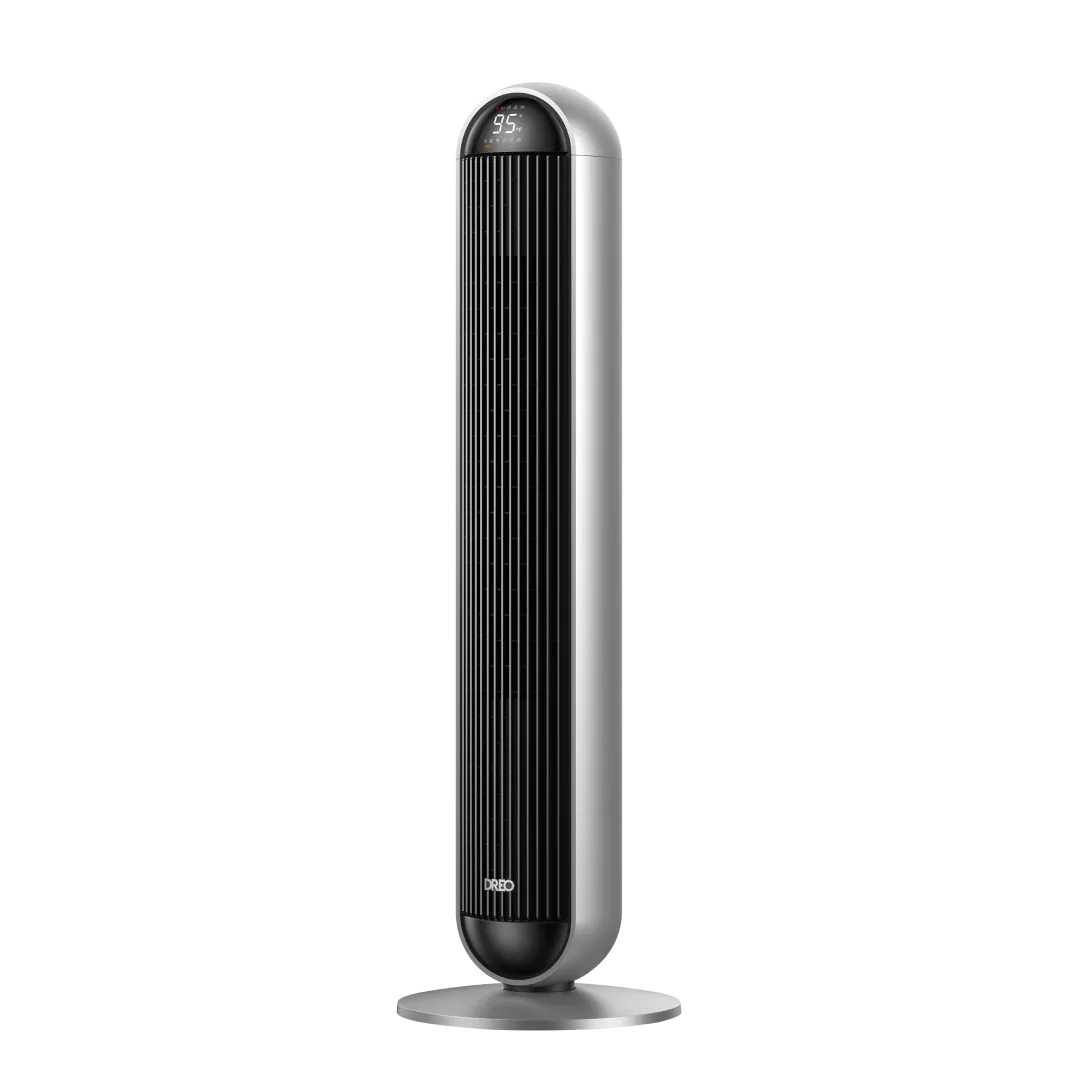
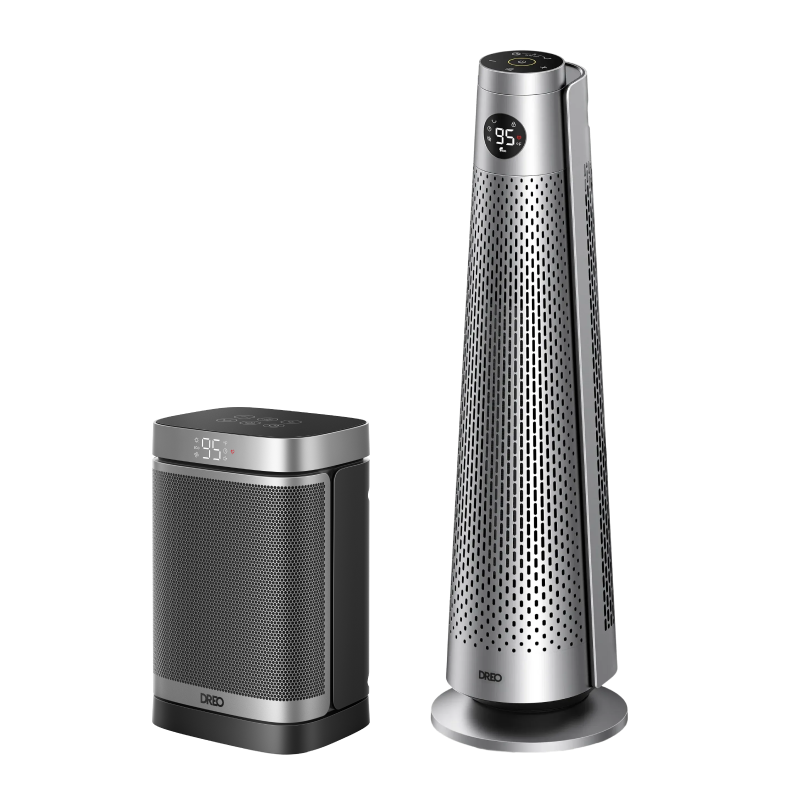
A DREO space heater can help maintain a more comfortable bedroom temperature without the cold drafts that come with leaving a window open. Explore DREO's latest winter heaters below and compare their heating performance, noise levels, and safety features.
| Convection Heater 711 | Whole-Room Heater 720 | Whole-Room Heater 725 | |
|---|---|---|---|
| Best for | Silent, steady warmth | Focused or whole-room heating | Year-round bedroom use |
| Room size | 160 to 270 sq ft | 160 to 270 sq ft | 160 to 270 sq ft |
| How it heats | Fan-free aluminum convection | PTC heating with fan, focused or 360° | PTC heating with fan, 360° |
| Noise | No fan noise | 25 dB | 25 dB |
| Warm-up | Slower, gradual heating | Fast | Fast |
| Power levels | 900 / 1100 / 1500W | 900 / 1300 / 1500W | 900 / 1300 / 1500W |
| Timer | Up to 24 hours | Up to 12 hours | Up to 12 hours |
| Safety features | Tip-over protection, child lock, IP24 rated for damp rooms | Overheat protection, 45° tip-over shutoff, cool-touch housing, V-0 flame-retardant build, child lock, ETL listed | Overheat protection, 45° tip-over shutoff, cool-touch housing, V-0 flame-retardant build, child lock, ETL listed |
| Worth knowing | Takes longer to warm a cold room | Fan may be more noticeable at higher settings | Also runs as a fan in warmer months |
The Bottom Line
Open the window when the night is mild, the air is clean, and the street is quiet. Keep it closed when it is very cold, pollen levels are high, or there is smoke outside. Most people will do both over the course of a year, so there is no need to pick one approach. What matters is knowing what the conditions call for that night.
A simple routine that works for many homes is to air out the bedroom for 10 to 15 minutes before bed, then close the window to help maintain a comfortable environment overnight.
FAQs About Sleeping With the Window Open
1. Can You Sleep With the Window Open in Winter?
Yes, you can sleep with the window open in winter, but it depends on how cold and dry it is outside. A slightly cooler bedroom can support sleep because your body naturally lowers its core temperature as you fall asleep. Fresh outdoor air also improves ventilation, helping the room feel less stuffy. However, leaving a window wide open in very cold weather can make the room uncomfortably cold and may disrupt sleep. Cold outdoor air can also lower indoor humidity, potentially causing dry skin, a dry throat, or nasal discomfort.
A practical approach is to open the window slightly or ventilate the room before bed, then use a space heater to maintain a comfortable indoor temperature without overheating the space. This allows you to enjoy fresh air while keeping the bedroom warm enough for comfortable, uninterrupted sleep.
2. Does Sleeping With the Window Open Make You Sick?
No, sleeping with the window open does not directly make you sick. However, an open window can create conditions that may make some people feel uncomfortable or worsen existing sensitivities. Cold, dry air may irritate the nose and throat, while pollen, dust, smoke, and other outdoor pollutants can enter the bedroom and trigger allergies or respiratory irritation.
3. Is It Safe to Sleep With the Window Open?
Sleeping with the window open is generally safe when outdoor conditions are comfortable, and the window itself is secure. However, an open window can also let in pollen, smoke, pollution, insects, excessive humidity, or outdoor noise. Very cold weather can also make the bedroom uncomfortably cold. Depending on where you live and where the window is located, it is also worth considering any potential security risks.


